


 Deutsch
 English
 Español
 Français
 Nederlands
 Português


 Share
Share




The Rise of Edible Cities
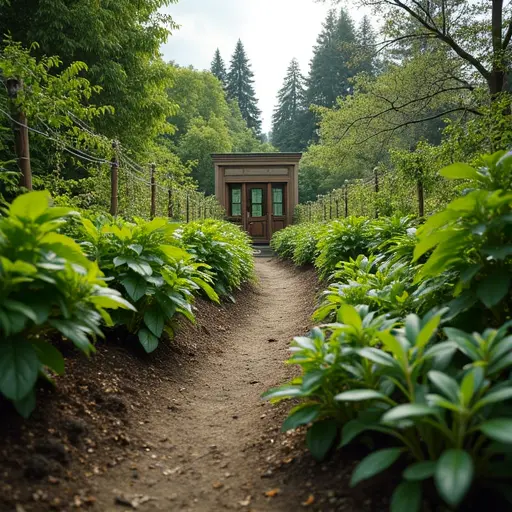
Urban food forests are revolutionizing city landscapes by transforming public spaces into productive ecosystems. Unlike traditional parks, these food forests combine fruit trees, edible plants, and native species in layered designs that mimic natural forests. The largest project in the US - Atlanta's 7.1-acre Browns Mill Food Forest - features over 100 fruit trees, community garden beds, and educational spaces where residents forage freely.
Beyond Community Gardens
These projects go beyond simple community gardens by creating self-sustaining ecosystems. As agroforestry expert Dr. Lena Martinez explains: "Food forests build soil health through nitrogen-fixing plants, require less maintenance than lawns, and increase biodiversity by 40% compared to ornamental landscaping." The approach integrates food production with stormwater management, carbon sequestration, and habitat creation.
Addressing Food Inequality
Urban food forests directly combat food deserts - neighborhoods lacking fresh produce. In Atlanta's Browns Mill neighborhood, where the nearest grocery store is a 30-minute bus ride away, the food forest provides year-round access to persimmons, blueberries, herbs, and vegetables. Similar projects in Seattle, London, and Amsterdam prioritize marginalized communities, with 73% of new food forests built in low-income areas since 2022.
Eco-City Integration
Forward-thinking cities now incorporate food forests into urban planning. Singapore's "Edible Garden City" initiative has established 132 public food forests since 2020, while Paris plans 100 new sites by 2026. These projects align with UN Sustainable Development Goals by promoting local food resilience - reducing food miles and packaging waste while improving nutrition access.
Learn more about urban agroforestry at The Conservation Fund

Follow Discussion