What Awaits Europe if the Gulf Stream Weakens Significantly?

A new study warns that a weakening Gulf Stream could lead to colder winters in Europe, with significant temperature drops and increased climate variability, while the rest of the world continues to warm.

What Awaits Europe if the Gulf Stream Weakens Significantly?
Share
Edition: EN

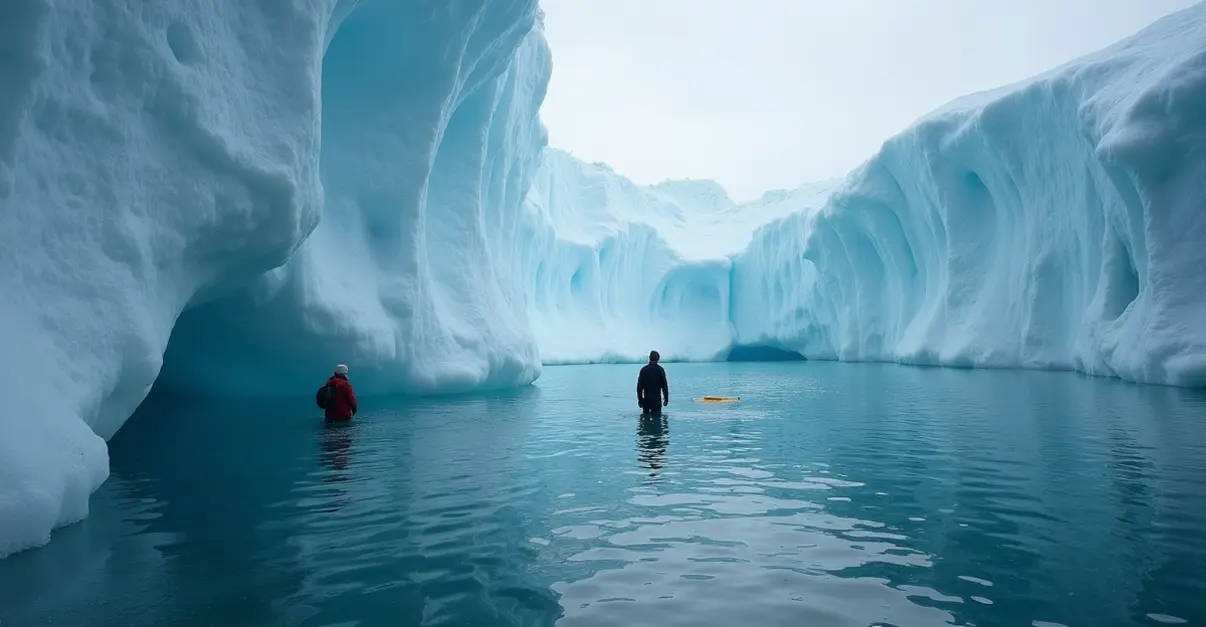
The Atlantic Ocean current, of which the Gulf Stream is a part, appears to be far less stable than previously thought. A weakening of the Gulf Stream could make Europe an outlier in a warming world, experiencing slower warming or even cooling, especially during winter, while the rest of the planet heats up. A new study explores how temperature extremes in Europe might change under such conditions.

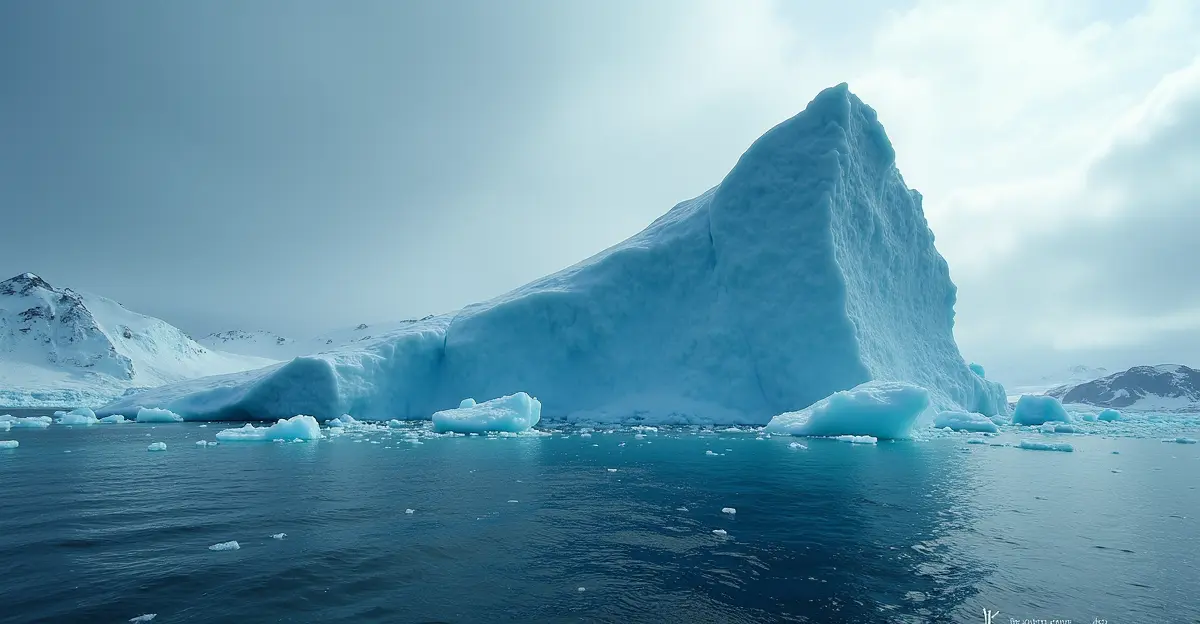
Recent research suggests the Atlantic Meridional Overturning Circulation (AMOC), which includes the Gulf Stream, is more sensitive than previously believed. Increased precipitation and melting ice from Greenland are making North Atlantic waters less salty and dense, weakening the AMOC. This could lead to colder winters in Europe, with sea ice expanding southward and reflecting more sunlight, further cooling the region.

A study by Utrecht University and KNMI modeled various scenarios, showing that under moderate emissions (RCP4.5), winter temperatures in the Netherlands could drop by 15°C in extreme cases. However, under high emissions (RCP8.5), the impact on European temperatures might be less severe due to warmer ocean waters limiting sea ice expansion.

The study highlights the potential for increased temperature contrasts between Northern and Southern Europe, stronger storms, and more variable daily temperatures. It also warns of reduced rainfall and faster sea-level rise in the North Atlantic.

While the study provides initial insights, further research is needed to confirm the likelihood of AMOC collapse and its full climatic effects. For interactive results, visit amocscenarios.org.
Closely related

AMOC Collapse Explained: Atlantic Current Faces 50% Higher Collapse Risk Than Thought
Environment
Environment
Closely related

AMOC Collapse Explained: Atlantic Current Faces 50% Higher Collapse Risk Than Thought

New 2026 research reveals Atlantic Gulf Stream (AMOC) faces 50% higher collapse risk than thought, with 42-58%...

Chikungunya Virus Spread: Complete Guide to Europe's New Tropical Disease Threat
Health
Health
Closely related

Chikungunya Virus Spread: Complete Guide to Europe's New Tropical Disease Threat

Chikungunya virus now threatens Europe with 6+ month transmission seasons in southern countries. New 2026 research...

Record-Breaking Heatwaves Sweep Europe and Asia, Highlighting Climate Crisis
Environment
Environment
Closely related

Record-Breaking Heatwaves Sweep Europe and Asia, Highlighting Climate Crisis

Record-breaking heatwaves in Europe and Asia in 2023, driven by climate change, have caused widespread health...

Europe's Hottest Year Filled with Floods: What Does This Mean for the Future?
Environment
Environment
Closely related

Europe's Hottest Year Filled with Floods: What Does This Mean for the Future?

Europe faced record-breaking heat and extreme weather in 2024, signaling the urgent need for climate adaptation.

May 2025 Was the Second Warmest May on Record, Exceptionally Dry
Environment
Environment
Closely related

May 2025 Was the Second Warmest May on Record, Exceptionally Dry

May 2025 was the second warmest May on record globally, with temperatures 1.4°C above pre-industrial levels. It was...

Climate Change Tripled Heat Deaths in European Heatwave
Environment
Environment
Closely related

Climate Change Tripled Heat Deaths in European Heatwave

Climate change tripled heat-related deaths in European cities during recent heatwave, with 1,500 fatalities directly...