


 Deutsch
 English
 Español
 Français
 Nederlands
 Português


 Share
Share




What is the AMOC and Why Does Its Collapse Matter?
The Atlantic Meridional Overturning Circulation (AMOC), often called the Atlantic Gulf Stream, is a critical ocean current system that functions as Earth's climate regulator. This massive conveyor belt transports warm, salty water from the tropics to the North Atlantic, where it cools, sinks, and returns southward at depth. The AMOC is responsible for Europe's relatively mild climate despite its northern latitude, bringing warmth that makes cities like London and Amsterdam significantly warmer than comparable latitudes in North America.
New Research Reveals Accelerated Weakening
Groundbreaking research published in April 2026 reveals that the AMOC is weakening much faster than previously estimated, with scientists now warning of a 50% higher collapse risk than earlier models predicted. Two major studies published in Science Advances and Geophysical Research Letters combine real-world ocean observations with advanced climate modeling to paint a concerning picture.
'We're seeing the most pessimistic scenarios becoming the most realistic,' explains climate scientist Dr. Maria Chen, lead author of one of the studies. 'Our ridge regression analysis shows previous models underestimated the threat by as much as 60%.'
Key Findings from 2026 Research
- 42-58% slowdown projected by 2100: The AMOC could weaken by nearly 60% by century's end
- Mid-century tipping point: Critical thresholds could be reached as early as 2050
- Current weakest in 1,600 years: Already at historic lows due to climate change
- 50%+ collapse probability: Scientists now estimate over 50% chance of shutdown
What Causes AMOC Weakening?
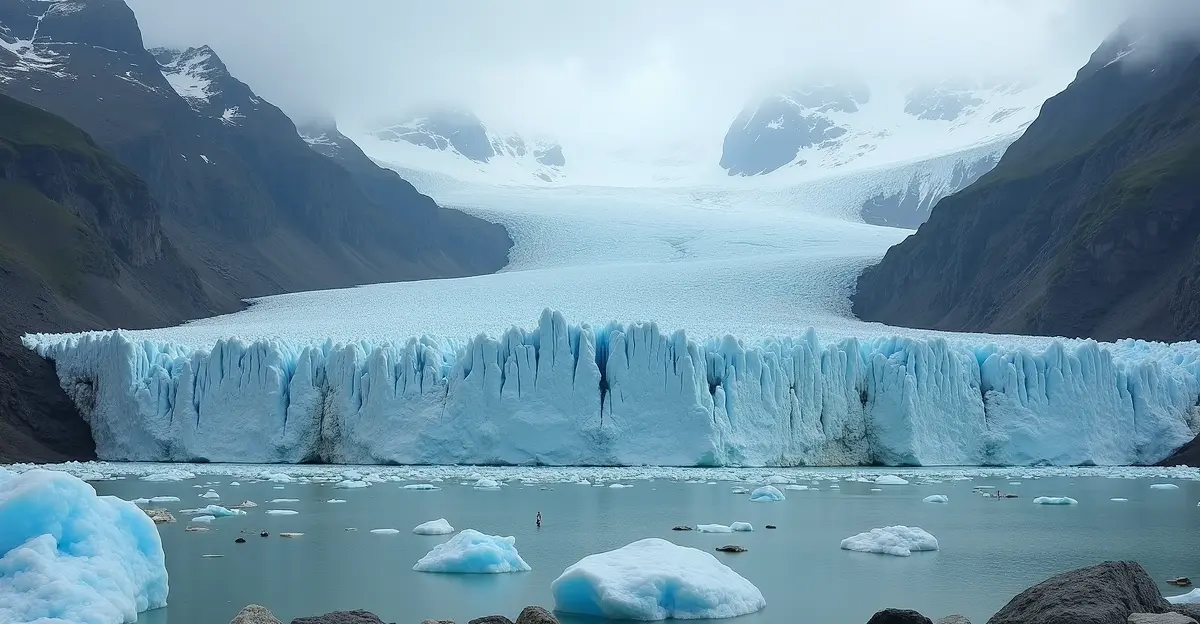
The primary driver of AMOC weakening is climate change, specifically the accelerated melting of Greenland's ice sheet and Arctic warming. As Greenland's ice melts, it releases massive amounts of freshwater into the North Atlantic, diluting the salty water that normally sinks to drive the current. The Arctic is warming four times faster than the global average, creating a feedback loop that threatens the entire system.
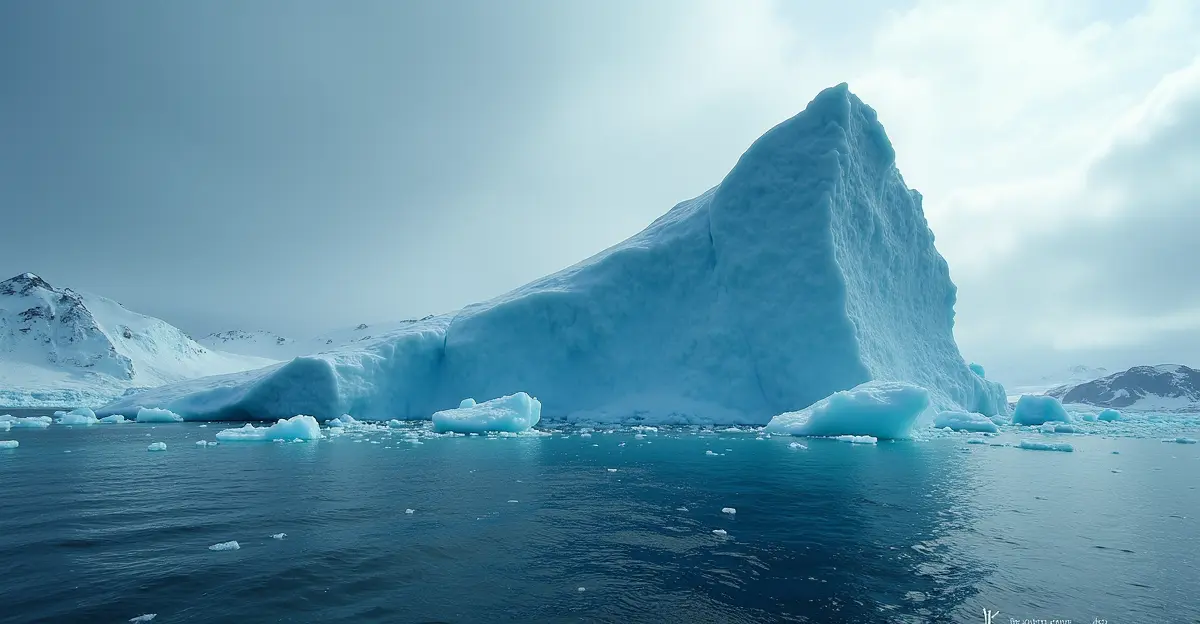
Similar to the Arctic sea ice decline observed over recent decades, this freshwater influx disrupts the delicate balance of temperature and salinity that powers the AMOC. The current has already weakened by approximately 15% since the mid-20th century, with acceleration observed in the last two decades.
Catastrophic Consequences of Collapse
Europe's Climate Transformation
An AMOC collapse would fundamentally alter Europe's climate. Winters could become 10-15°C colder, with cities like London potentially experiencing temperatures as low as -20°C. 'This would mean the end of weather as we know it along the North Sea,' says meteorologist Reinout van den Born. 'Winds would shift from predominantly westerly to coming from continental Europe and Russia, bringing drier, colder air.'
Global Impacts
| Region | Impact |
|---|---|
| Europe | Extreme winter cold, summer droughts, altered rainfall |
| North America | Accelerated sea level rise (50-100cm additional) |
| Africa | Shifted rainfall patterns affecting agriculture |
| Global | Release of 640 billion tonnes of CO2 from oceans |
The global climate feedback loops triggered by AMOC collapse would create additional warming of approximately 0.2°C globally, despite regional cooling in Europe.
Can We Prevent AMOC Collapse?
The only way to prevent AMOC collapse is rapid, substantial reduction in greenhouse gas emissions. 'We must bring CO2 emissions down as quickly as possible, at all costs,' emphasizes Dr. Chen. Current climate policies fall short of what's needed to avoid the tipping point, with scientists warning that even the Paris Agreement targets may be insufficient.
Monitoring systems like the RAPID array in the Atlantic provide crucial data, but political action remains the limiting factor. The 2026 research underscores that time is running out to prevent irreversible changes to this critical climate system.
Frequently Asked Questions
What is the AMOC?
The Atlantic Meridional Overturning Circulation (AMOC) is a major ocean current system that transports warm water northward and cold water southward in the Atlantic Ocean, regulating global climate patterns.
How soon could AMOC collapse occur?
New research suggests the tipping point could be reached as early as mid-century (around 2050), with collapse potentially following within decades.
What would happen to Europe's climate?
Europe would experience dramatically colder winters (10-15°C drops), drier summers, and fundamentally altered weather patterns, with winds shifting from westerly to continental.
Is the AMOC collapse reversible?
Once collapsed, the AMOC would likely remain in that state for centuries, making prevention the only viable strategy.
What can be done to prevent collapse?
Immediate, substantial reductions in greenhouse gas emissions are the only proven way to slow AMOC weakening and avoid collapse.



Follow Discussion