


 Deutsch
 English
 Español
 Français
 Nederlands
 Português


 Share
Share




The Accelerating Crisis of Glacier Retreat
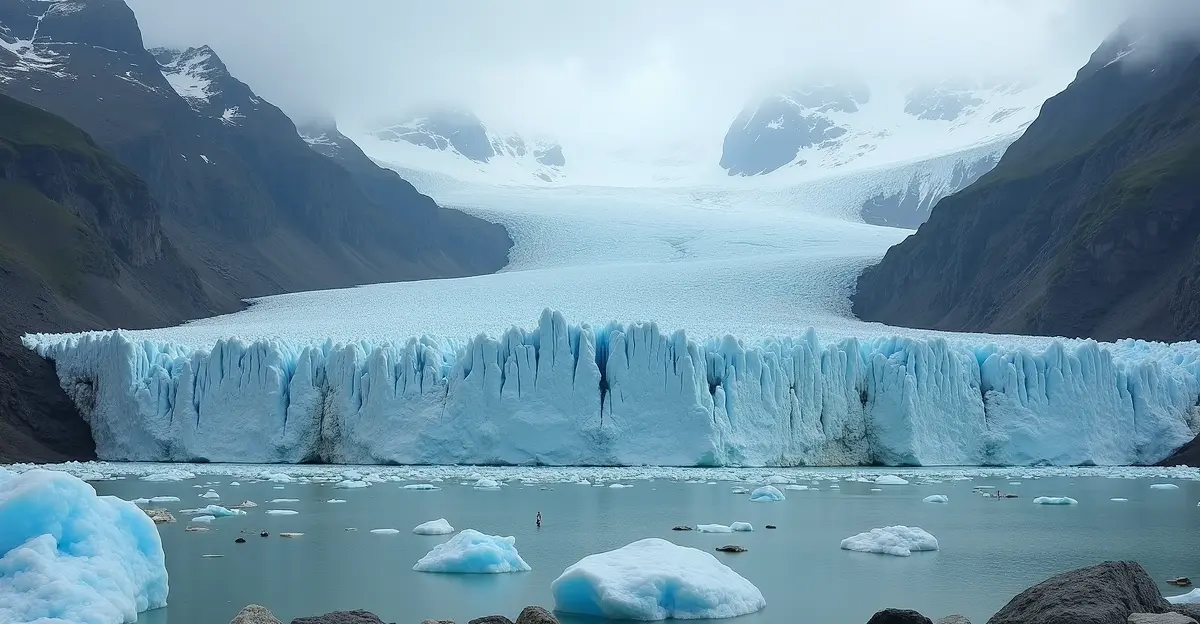
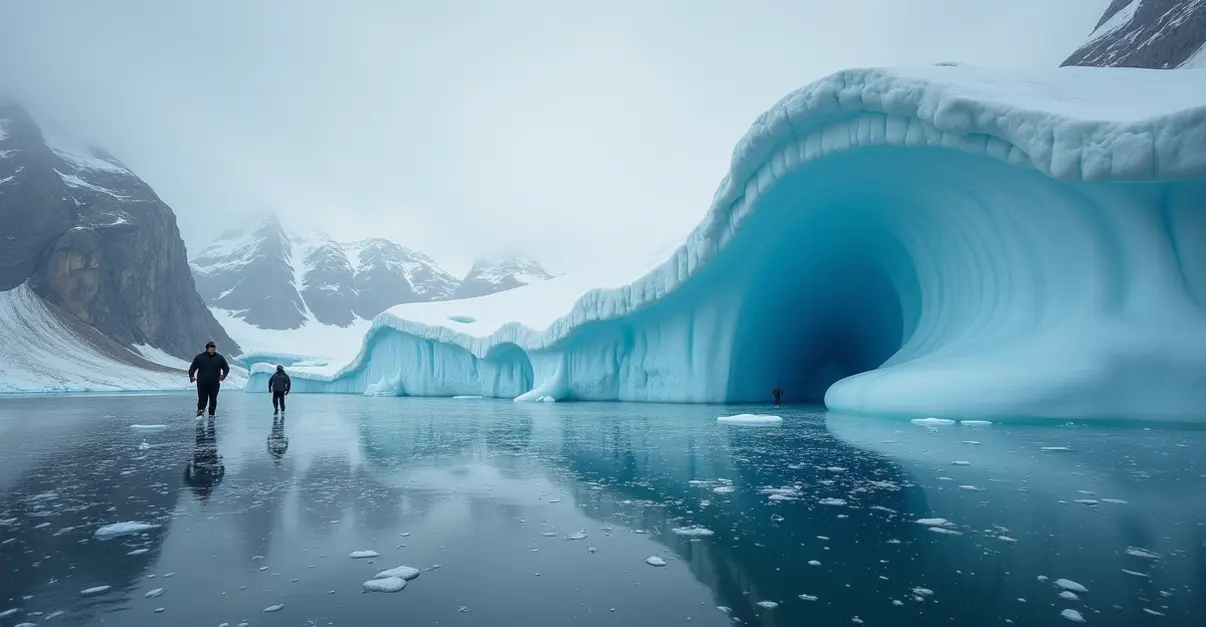
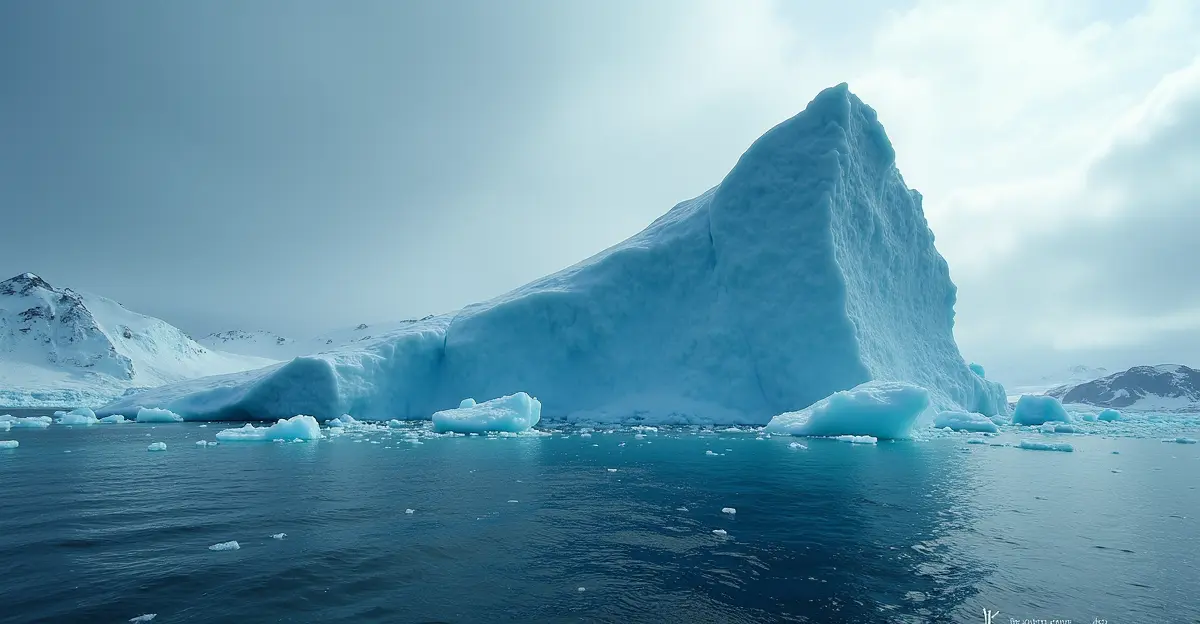
Glacier retreat has become one of the most visible and alarming indicators of climate change, with scientists tracking unprecedented melting rates across the globe. The world's glaciers are disappearing at an accelerating pace, threatening water supplies, ecosystems, and contributing significantly to sea level rise.
Global Scale of Glacial Loss
According to scientific data, the total cumulative global glacial losses from 1993 to 2018 reached approximately 5,500 gigatons, averaging about 210 gigatons per year. This massive ice loss represents one of the most dramatic environmental changes occurring on our planet. The retreat of glaciers since 1850 provides compelling evidence for the rise in global temperatures, with the most rapid melting occurring since the 1980s.
Fastest-Melting Regions
Mid-latitude mountain ranges are experiencing some of the most severe glacial losses. The Himalayas in Asia, the Rocky Mountains and Cascade Range in North America, the European Alps, the Southern Alps in New Zealand, and the southern Andes in South America are all showing dramatic retreat. Even isolated tropical summits like Mount Kilimanjaro in Africa are losing their iconic ice caps at alarming rates.
Monitoring and Research
Scientists use advanced satellite technology, aerial photography, and ground-based measurements to track glacial changes. The glacier mass balance - the difference between accumulation (snowfall) and ablation (melting) - serves as the key indicator of glacial health. When ablation exceeds accumulation, glaciers retreat, and current climate conditions are creating overwhelmingly negative mass balances worldwide.
Consequences and Impacts
The consequences of rapid glacier retreat are far-reaching. Glacial ice represents the largest reservoir of fresh water on Earth, holding about 69 percent of the world's freshwater. The disappearance of glaciers threatens drinking water supplies and irrigation for millions of people, particularly in regions like the Andes and Himalayas that depend on glacial meltwater.
Additionally, melting glaciers contribute significantly to sea level rise, posing threats to coastal communities worldwide. The current accelerated retreat is primarily driven by human-caused greenhouse gas emissions and global warming, making glacier monitoring crucial for understanding and addressing climate change impacts.


Follow Discussion