
 English







AI's Energy Paradox: How Data Center Power Demands Are Reshaping Global Energy Markets
The explosive growth of artificial intelligence is creating an unprecedented energy paradox: while AI promises revolutionary efficiency gains across industries, the data centers powering this transformation are consuming electricity at rates that threaten grid stability and climate goals. According to recent International Energy Agency (IEA) reports, data centers already consume 1.5% of global electricity, with projections showing this could double to 3% by 2030, reaching approximately 945 terawatt-hours (TWh) annually. This surge is concentrated in key regions like Virginia, Texas, and California, where grid reliability incidents in 2024 revealed critical vulnerabilities from simultaneous data center disconnections.
What is the AI Energy Paradox?
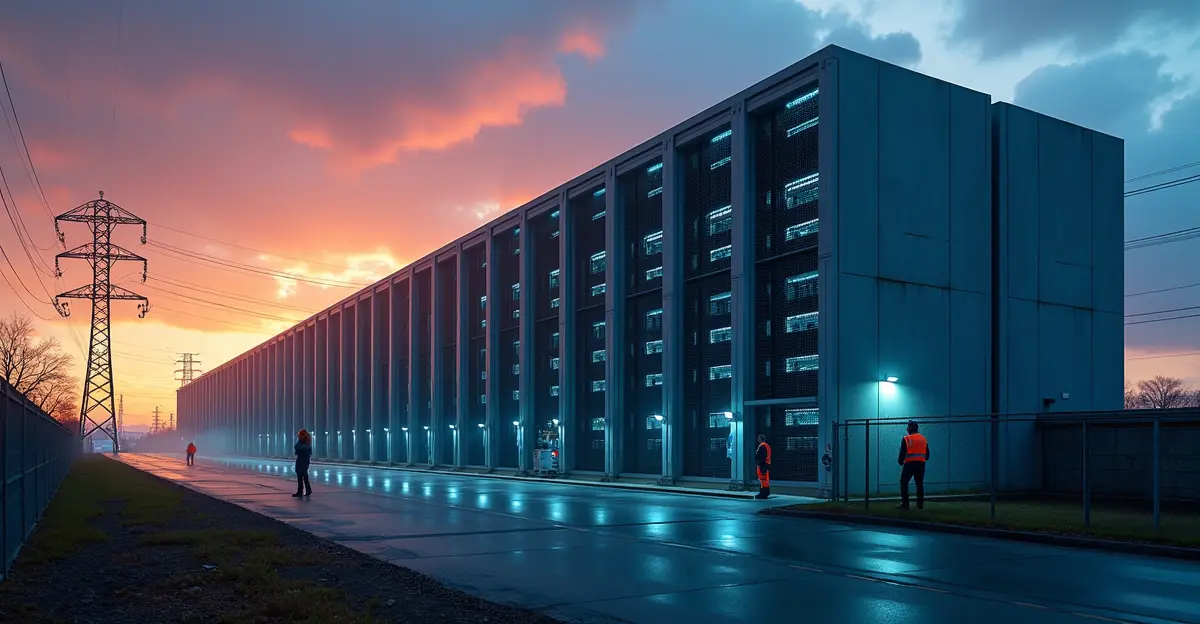
The AI energy paradox describes the contradictory relationship between artificial intelligence's potential to optimize energy systems and its massive electricity consumption requirements. AI models like ChatGPT require exponentially more computing power than traditional applications, with AI-optimized server racks consuming 40-60+ kilowatts compared to traditional racks at 5-15 kW. This creates a fundamental tension: AI could help solve climate change through smarter grid management and energy optimization, but its own energy demands are straining the very systems it aims to improve. The global energy transition now faces this unexpected challenge from the technology sector.
The Scale of the Challenge: Data Center Electricity Consumption
Current data center electricity consumption represents a watershed moment for global energy infrastructure. In the United States alone, data centers consumed 176 terawatt-hours in 2023 - enough to power 16 million American homes. This represents 4.4% of total U.S. electricity consumption, with projections showing it could reach 6.7-12.0% by 2028. Globally, the numbers are even more staggering: data centers accounted for about 2% of total electricity consumption in 2022, projected to reach 650-1,050 TWh by 2026, potentially doubling to over 1,000 TWh.
Regional Concentration and Grid Vulnerabilities
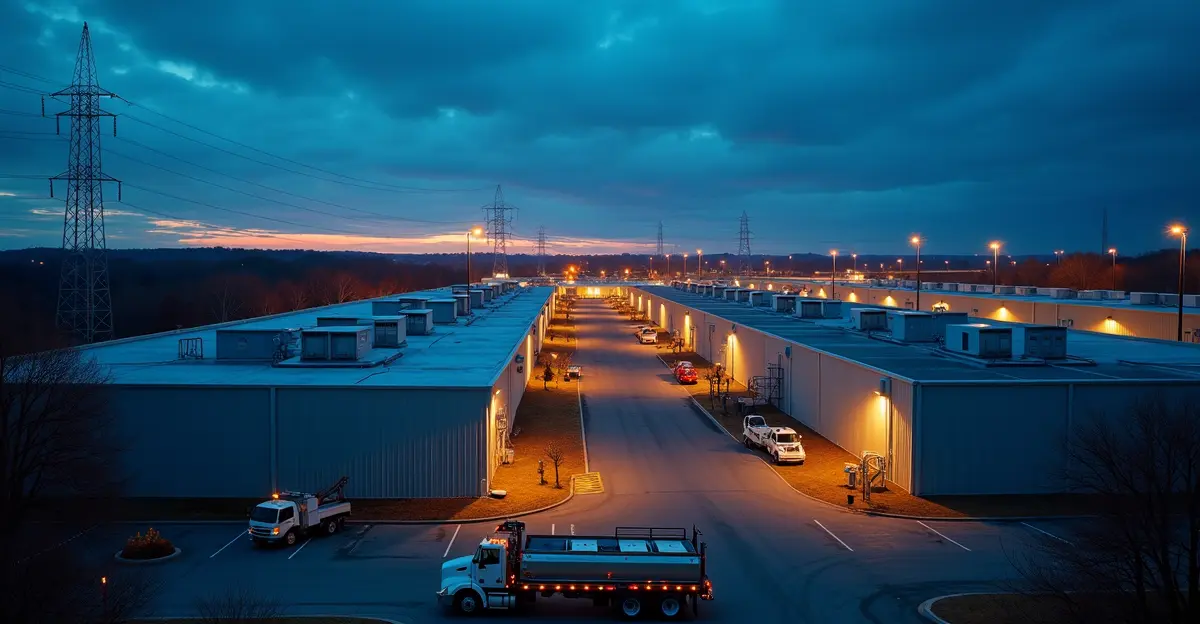
The problem is particularly acute in specific regions where data center development has concentrated. Northern Virginia, home to the world's largest data center market, experienced a near-catastrophic incident in July 2024 when 60 data centers simultaneously disconnected from the grid, creating a 1,500-megawatt power surplus that nearly caused cascading outages. The incident occurred after a lightning arrestor failure on a transmission line caused voltage disturbances, prompting data centers to automatically switch to backup generators. Grid operators PJM Interconnection and Dominion Energy had to quickly scale back power generation to prevent system-wide outages.
Texas faces similar challenges, with data center power demand projected to reach approximately 150 gigawatts by 2030. The state's response, Texas Senate Bill 6 signed into law in June 2025, imposes significant new regulations on large energy users. The legislation requires data centers drawing 75 MW or more to fund infrastructure upgrades, disclose backup power capabilities, and enable remote disconnection during grid emergencies - earning it the nickname "Kill Switch Bill."
Strategic Implications for Energy Security
The rapid growth of data center electricity demand is forcing a strategic re-evaluation of global energy security frameworks. Major tech companies (Amazon, Microsoft, Google, Meta) collectively spent over $200 billion on capital expenditures in 2024, representing a 62% year-over-year increase. This investment surge is creating several critical challenges:
- Grid Reliability: Traditional grid infrastructure wasn't designed for the concentrated, high-density power demands of modern data centers
- Cost Allocation: Residential ratepayers risk subsidizing industrial-scale energy users without proper regulatory frameworks
- Climate Goals: The tension between AI development and decarbonization targets creates policy dilemmas
- Geopolitical Dynamics: Energy-rich regions gain new strategic importance for data center location
The Climate Conundrum
Perhaps the most significant paradox emerges in climate policy. While many tech companies have committed to 100% renewable energy targets, the sheer scale of data center growth threatens to undermine these goals. The renewable energy transition faces new pressure as data centers require reliable, always-on power that intermittent renewables struggle to provide consistently. This has led to increased reliance on natural gas peaker plants and even discussions about nuclear power for data center clusters.
Global Regulatory Responses
Nations and states are responding with diverse regulatory frameworks to address the data center energy challenge:
| Region | Regulatory Approach | Key Provisions |
|---|---|---|
| Texas (USA) | Senate Bill 6 (2025) | Mandatory infrastructure cost-sharing, backup power disclosure, remote disconnect capabilities |
| Ireland | Grid Connection Moratorium | Temporary halt on new data center connections as they could reach 32% of national power by 2026 |
| California | Efficiency Standards | New AI-specific metrics beyond traditional PUE (Power Usage Effectiveness) |
| European Union | Energy Efficiency Directive | Requirements for data center energy transparency and reporting |
Expert Perspectives on the Energy-AI Nexus
Industry experts offer contrasting views on the path forward. "We're at a critical inflection point where data center design must evolve from islanded resilience to grid-aware operations," says energy analyst Mark Thompson. "The July 2024 Virginia incident showed that hypersensitive protection systems designed for maximum uptime can actually threaten grid stability when dozens of facilities disconnect simultaneously."
Policy experts emphasize the need for balanced approaches. "Texas Senate Bill 6 represents a necessary correction to prevent residential ratepayers from subsidizing industrial-scale energy users," notes regulatory specialist Dr. Sarah Chen. "However, we must avoid overregulation that could hinder artificial intelligence development and its potential benefits for energy optimization."
Future Outlook and Technological Solutions
The path forward requires innovative technological and policy solutions. Several emerging approaches show promise:
- Grid-Aware Computing: Aligning AI workloads with renewable energy availability through demand flexibility
- Advanced Cooling Technologies: Liquid immersion cooling and other innovations reducing cooling energy from 30-40% to under 10%
- On-Site Generation: Microgrids, fuel cells, and advanced nuclear reactors providing dedicated power
- AI Efficiency Metrics: Moving beyond PUE to energy-per-AI-task measurements that incentivize computational efficiency
The energy infrastructure investment required to support AI growth represents both a challenge and opportunity. According to the ACEEE white paper, implementing grid integration requirements, efficiency targets, transparency regulations, and financial incentives can ensure AI infrastructure development aligns with broader energy efficiency goals.
Frequently Asked Questions
How much electricity do data centers currently consume?
Data centers currently consume approximately 1.5% of global electricity, with U.S. facilities alone using 176 terawatt-hours in 2023 - enough to power 16 million American homes. This represents 4.4% of total U.S. electricity consumption.
What was the Virginia grid incident in 2024?
In July 2024, 60 data centers in Northern Virginia simultaneously disconnected from the grid after a lightning arrestor failure, creating a 1,500-megawatt power surplus that nearly caused cascading outages. The incident highlighted vulnerabilities as data centers consumed massive amounts of electricity while their protection systems threatened grid stability.
How is Texas regulating data center energy use?
Texas enacted Senate Bill 6 in June 2025, requiring data centers drawing 75+ MW to fund infrastructure upgrades, disclose backup power capabilities, and enable remote disconnection during grid emergencies. The legislation aims to prevent residential rate subsidies and ensure grid reliability as AI-driven data center growth continues.
Can AI help solve its own energy problem?
Yes, through grid-aware computing that aligns AI workloads with renewable energy availability, optimizing data center operations for energy efficiency, and developing more computationally efficient AI models. However, this requires new metrics and incentives beyond traditional efficiency measurements.
What are the projections for future data center energy consumption?
Global data center electricity consumption is projected to double by 2026, potentially reaching over 1,000 TWh. In the U.S., consumption could reach 325-580 TWh by 2028, representing 6.7-12.0% of total grid demand, with particularly acute growth in regions like Virginia and Texas.
Conclusion: Navigating the Energy-AI Nexus
The AI energy paradox represents one of the most significant challenges in the intersection of technology and infrastructure development. As data center electricity demands reshape global energy markets, balanced approaches that consider grid reliability, climate goals, and technological innovation will be essential. The coming years will determine whether AI becomes a net contributor to energy solutions or an unsustainable drain on global power systems. With proper regulation, technological innovation, and strategic planning, the digital transformation can align with rather than undermine global energy and climate objectives.
Sources
IEA Electricity 2025 Report, Belfer Center AI Data Centers Analysis, ACEEE White Paper on AI Data Centers, Data Center Dynamics Virginia Incident Report, Data Center Frontier Texas SB6 Analysis

Follow Discussion