


 Deutsch
 English
 Español
 Français
 Nederlands
 Português


 Share
Share




The Strategic Reconfiguration of Global Energy Security in the Post-Peak Fossil Fuel Era
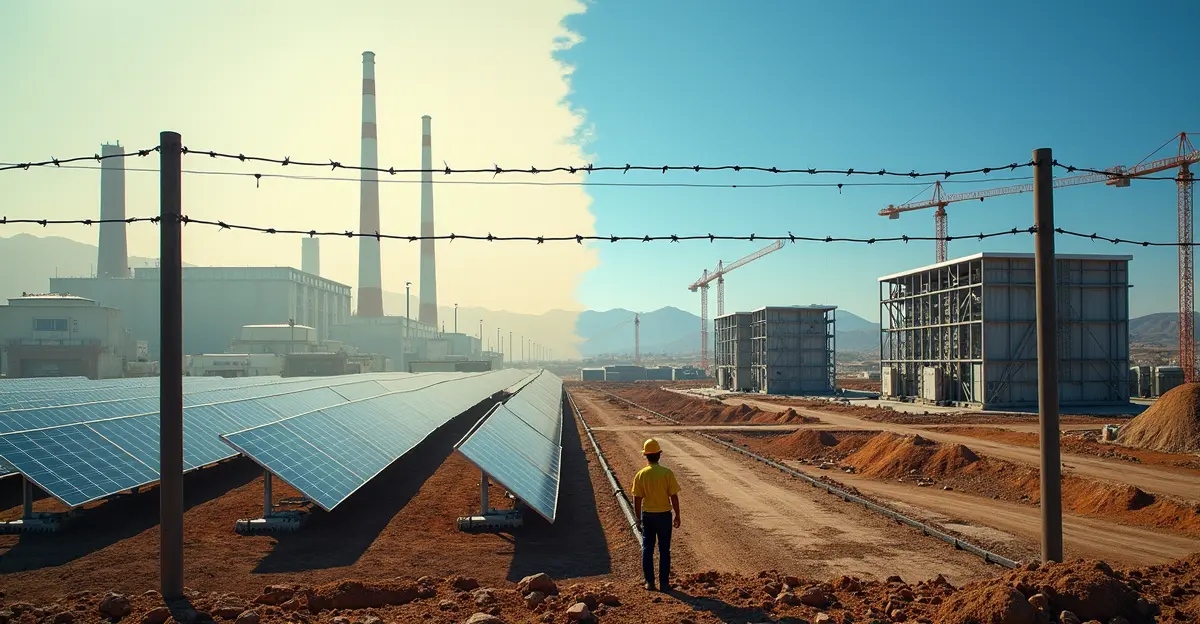
The International Energy Agency's World Energy Outlook 2024 projects a historic turning point: global fossil fuel demand will peak before 2030, fundamentally reshaping traditional energy security paradigms. This imminent transition from concentrated oil and gas security frameworks to distributed renewable energy systems represents one of the most significant geopolitical shifts of the 21st century, with profound implications for strategic dependencies, military planning, and international alliances. As Fitch Ratings warned in December 2024, escalating geopolitical tensions are already increasing volatility in the global oil and gas sector, creating a critical juncture for strategic energy security reassessment.
What is Energy Security in the Post-Peak Era?
Energy security traditionally focused on securing access to concentrated fossil fuel resources through military protection of supply routes and strategic reserves. The IEA's founding mission in 1974 centered on responding to oil supply disruptions, but today's definition has expanded dramatically. In the post-peak fossil fuel era, energy security encompasses securing critical mineral supply chains for clean energy technologies, protecting electricity grid infrastructure from cyber and physical threats, and maintaining technological leadership in renewable energy innovation. According to the IEA's 2024 report, this represents a fundamental reconfiguration from resource-based to technology-based security frameworks.
Critical Mineral Supply Chain Vulnerabilities
The clean energy transition creates new strategic dependencies on critical minerals like lithium, cobalt, nickel, and rare earth elements. The IEA's Global Critical Minerals Outlook 2025 reveals that demand for these minerals could double or triple by 2030, with over 60% of supply dependent on international trade. This concentration creates significant vulnerabilities:
- Geographic concentration: China controls much of the global processing capacity for critical minerals
- Governance challenges: Key producing regions like the Democratic Republic of Congo face corruption and instability
- Environmental pressures: Mining operations face increasing scrutiny and regulatory hurdles
- Geopolitical weaponization: Critical minerals are becoming tools of geopolitical influence
Moody's analysis emphasizes that ownership transparency is becoming as crucial as physical supply diversification, citing examples like Shenghe Resources' links to Chinese state-owned enterprises. The EU critical minerals strategy represents one response to these emerging security challenges.
Electricity Grid Infrastructure Security Challenges
As energy systems transition from centralized fossil fuel plants to distributed renewable networks, electricity grid infrastructure becomes a critical security concern. The World Economic Forum's Sustainable Development Impact Meetings 2025 highlighted that while the Energy Transition Index shows 1.1% improvement, the transition faces headwinds from policy uncertainty and geopolitical fragmentation. Key security challenges include:
Cyber Vulnerabilities
Distributed renewable systems with smart grid technologies create thousands of potential entry points for cyber attacks, requiring new security protocols and international cooperation frameworks.
Physical Infrastructure Protection
Solar farms, wind turbines, and transmission lines distributed across vast geographic areas present physical security challenges that differ fundamentally from protecting concentrated oil infrastructure.
Grid Resilience
Renewable energy's intermittent nature requires sophisticated grid management systems and energy storage solutions, creating new dependencies on advanced technologies and specialized expertise.
Geopolitical Implications and Strategic Repositioning
Nations are fundamentally repositioning their strategic energy policies in anticipation of fossil fuel demand decline. According to J.P. Morgan's analysis, energy security is now viewed through a national security lens, with countries seeking self-sufficiency through diverse technologies including solar, wind, and nuclear power. This shift has several key implications:
Military Planning Transformation
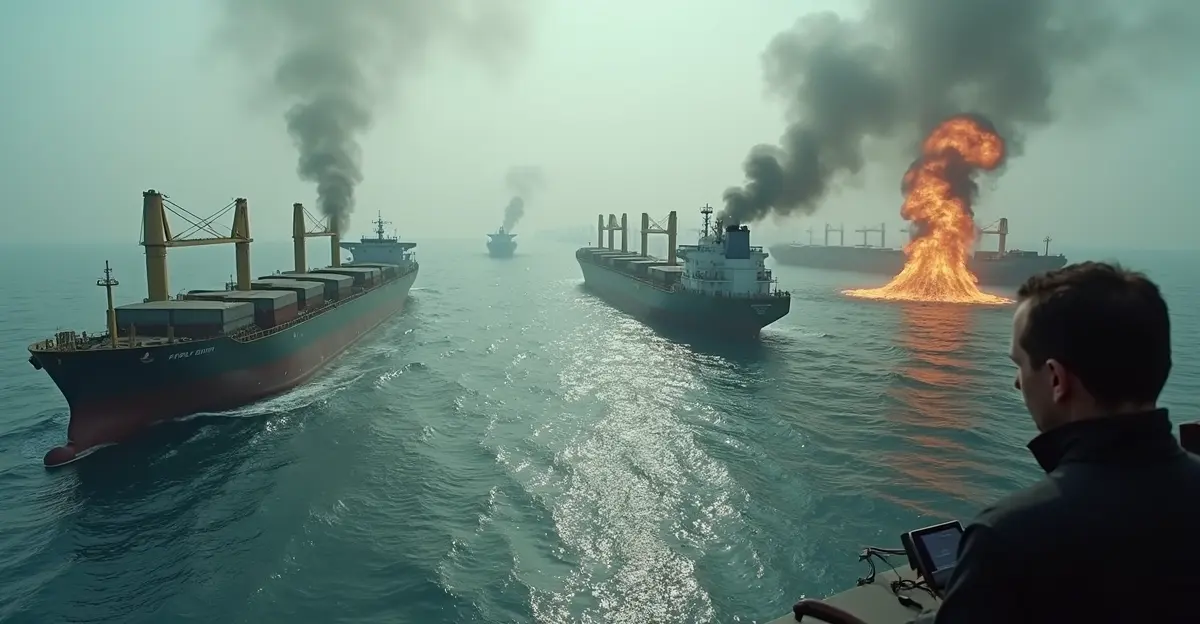
Traditional military strategies focused on securing oil shipping lanes are being supplemented by new priorities: protecting critical mineral supply routes, securing undersea electricity cables, and defending against cyber attacks on energy infrastructure.
International Alliance Restructuring
New energy alliances are forming around infrastructure and technology rather than resource access. The Middle East renewable energy partnerships demonstrate how neighboring countries are interconnecting electricity grids, creating economic interdependence that differs from traditional oil-based alliances.
Technology Control Battles
Intellectual property in clean energy technologies has become a new frontier for geopolitical competition. Nations are investing heavily in research and development while implementing policies to protect technological advantages.
Expert Perspectives on the Transition
Dr. Sarah Kapnick, J.P. Morgan's Global Head of Climate Advisory, notes that 'energy security is now viewed through a national security lens, with countries seeking self-sufficiency through diverse technologies'. This perspective is echoed in academic research published in ScienceDirect, which finds that geopolitical risks significantly hinder energy transition by exacerbating price volatility and disrupting supply chains. However, countries with strong renewable energy capacity and sound fiscal mechanisms can better mitigate these negative effects.
Frequently Asked Questions
When will fossil fuel demand peak according to the IEA?
The International Energy Agency's World Energy Outlook 2024 projects global fossil fuel demand will peak before 2030, with coal at or near its peak, oil peaking around 2030, and gas by 2035 under current policies.
What are the main security risks in critical mineral supply chains?
Key risks include geographic concentration (particularly China's dominance in processing), governance challenges in producing regions, environmental pressures from mining, and the potential for geopolitical weaponization of mineral supplies.
How is electricity grid security changing with renewable energy?
Security is shifting from protecting concentrated infrastructure to securing distributed networks against cyber attacks, physical threats to widely dispersed assets, and ensuring grid resilience with intermittent renewable sources.
What geopolitical tensions are emerging around clean energy technology?
New tensions are developing around intellectual property control, manufacturing dominance in solar panels and batteries, and competition for leadership in emerging technologies like green hydrogen and advanced nuclear.
How are military strategies adapting to the energy transition?
Military planning is expanding beyond securing oil shipping lanes to include protecting critical mineral supply routes, securing undersea electricity cables, and defending against cyber attacks on energy infrastructure.
Conclusion: Navigating the New Energy Security Landscape
The post-peak fossil fuel era represents a fundamental reconfiguration of global energy security that will reshape international relations, military strategies, and economic dependencies for decades to come. As Fitch Ratings warned in December 2024, geopolitical tensions are increasing volatility in traditional energy sectors even as the transition accelerates. Successfully navigating this new landscape will require balancing the need for energy security with the imperative of global collaboration, avoiding fragmentation that could stifle innovation and increase costs. The nations that develop comprehensive strategies addressing critical mineral security, grid resilience, and technological leadership will be best positioned in the emerging global energy order.
Sources
International Energy Agency World Energy Outlook 2024, Fitch Ratings December 2024 analysis, IEA Global Critical Minerals Outlook 2025, World Economic Forum Sustainable Development Impact Meetings 2025, J.P. Morgan 'Power Rewired' analysis, ScienceDirect research on geopolitical risks and energy transition.




Follow Discussion