


 Deutsch
 English
 Español
 Français
 Nederlands
 Português


 Share
Share




What is Japan's Nuclear Restart Debate?
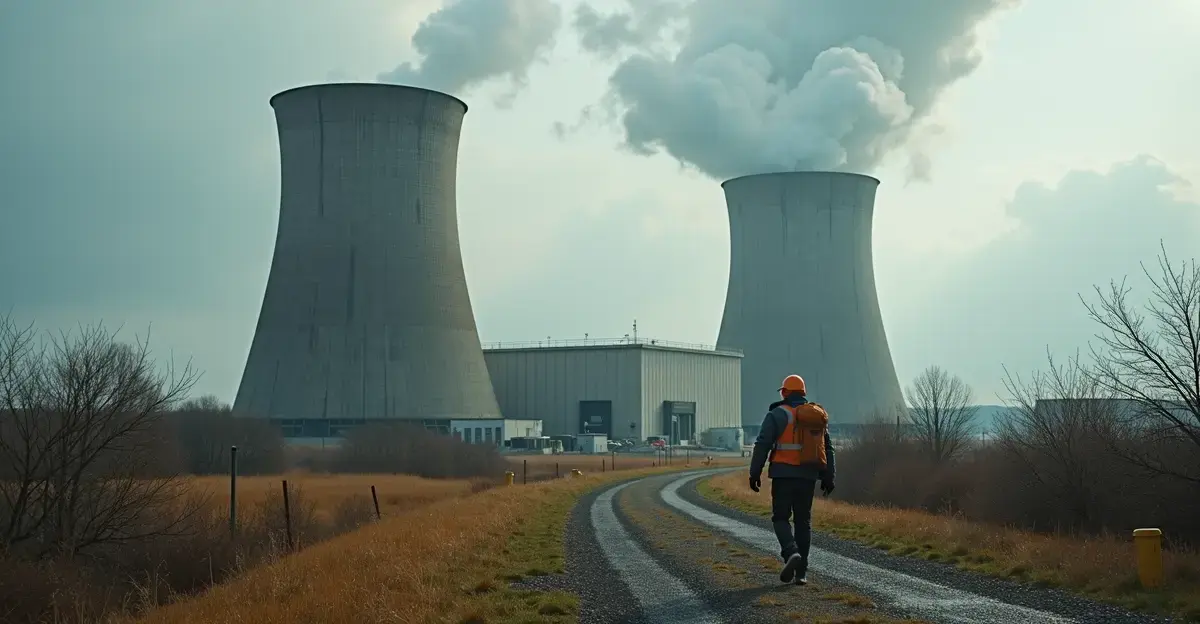
Japan's opposition leader Yuichiro Tamaki has called for the immediate restart of all available nuclear power plants to offset the impact of the Iran war on electricity bills and energy security. The Democratic Party for the People leader made this urgent appeal as Brent crude oil prices surged to $120 per barrel following the effective closure of the Strait of Hormuz, through which Japan receives 95% of its oil and 11% of its liquefied natural gas imports from the Middle East. This represents a significant policy shift in Japan's energy landscape, which has been dominated by nuclear safety concerns since the 2011 Fukushima disaster.
Japan's Energy Vulnerability and the Iran Crisis
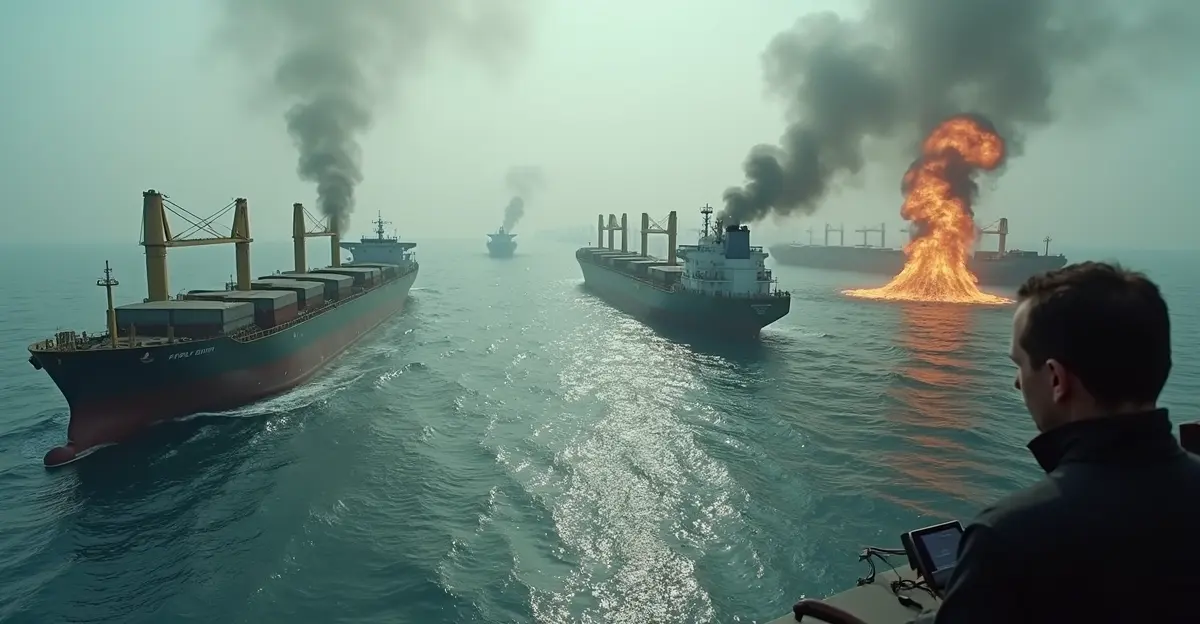
Japan faces unprecedented energy security challenges as the Iran war disrupts global energy markets. According to Bloomberg data, Japan imports 95% of its oil and 11% of its liquefied natural gas from the Middle East, with approximately 70% of these imports passing through the now-closed Strait of Hormuz. The global energy crisis has pushed Brent crude prices to $120 per barrel, their highest level in years, forcing Japanese industries like Mitsubishi Chemical to cut ethylene production by 20% due to soaring energy costs.
Yuichiro Tamaki, leader of the Democratic Party for the People, stated: 'Japan should utilize all available nuclear power stations to counter the impact of the Iran crisis on electricity bills. Without greater use of nuclear power as a carbon-free domestic energy source, electricity bills will inevitably rise.' This position represents a dramatic shift from Japan's post-Fukushima nuclear policy and comes as Asian nations grapple with energy price shocks.
Current Nuclear Reactor Status in Japan
Post-Fukushima Shutdown and Gradual Restart
Following the 2011 Fukushima Daiichi nuclear disaster triggered by the Tōhoku earthquake and tsunami, Japan shut down all 54 of its nuclear reactors. Fifteen years later, the country's nuclear landscape remains dramatically altered:
- 33 reactors remain technically operational
- 15 reactors have been successfully restarted
- 9 reactors have submitted restart applications
- 24 reactors remain completely idle with no restart plans
The Japan Atomic Industrial Forum reports that while nine reactors have requested restart approval, exact dates for resumption remain uncertain due to ongoing safety reviews and public consultation processes. This cautious approach reflects Japan's complex relationship with nuclear power, balancing energy needs against persistent safety concerns from the Fukushima tragedy that displaced 164,000 residents and cost an estimated 20 trillion yen ($180 billion) in cleanup and compensation.
Japan's Energy Policy Shift
Japan's seventh basic energy plan, approved in February 2025, marks a significant policy reversal from reducing nuclear dependence to maximizing its use. The plan aims to increase nuclear power's share from 8.5% in 2023 to approximately 20% by 2040, while boosting renewables to 40-50% and reducing fossil fuels from 70% to 30-40%. This controversial shift involves extending reactor lifespans beyond 40 years and developing next-generation reactors, though critics question the economic viability given that nuclear remains more costly than solar energy in Japan.
Regional Impact and Asian Energy Crisis
The Iran war has created the largest oil supply shock in modern history, disrupting nearly 20 million barrels of oil per day through the Strait of Hormuz. Asian nations are particularly vulnerable, with South Korean President Lee Jae Myung calling for rapid implementation of fuel price caps to curb soaring energy costs. The crisis has already caused major market disruptions:
| Country | Impact | Response |
|---|---|---|
| Japan | 95% oil imports threatened, electricity costs rising | Nuclear restart proposal, 254-day oil reserves |
| South Korea | Energy prices surging, industrial production cuts | Fuel price cap proposals, emergency measures |
| China | Supply chain disruptions, manufacturing impacts | Strategic reserve releases, alternative sourcing |
Japan maintains emergency oil reserves equivalent to 254 days of domestic usage, but no decision has been made about releasing these strategic stocks. The Middle East conflict has exposed vulnerabilities in Japan's energy security strategy, which has historically relied heavily on Middle Eastern imports despite geographic distance and supply chain risks.
Political and Public Opinion Dynamics
The nuclear restart debate occurs within a complex political landscape. Prime Minister Sanae Takaichi, who is pro-nuclear, faces growing pressure to address energy security concerns while navigating public opinion that remains divided on nuclear power. Yuichiro Tamaki's Democratic Party for the People gained significant influence in 2024 with 28 parliamentary seats, positioning him as a key 'kingmaker' in Japanese politics despite a temporary leadership suspension in late 2024.
Public support for nuclear energy has gradually increased amid the energy crisis, with recent polls showing approximately 60% of Japanese citizens supporting nuclear restarts under strict safety conditions. However, opposition remains strong in regions near nuclear facilities and among communities affected by the Fukushima disaster. The debate reflects broader tensions between energy security, economic stability, and safety concerns that have defined Japan's energy policy for over a decade.
Economic and Environmental Implications
Restarting Japan's idle nuclear reactors could have significant economic and environmental impacts. Nuclear power represents a carbon-free energy source that could reduce Japan's greenhouse gas emissions while decreasing dependence on imported fossil fuels. However, the renewable energy transition faces potential competition from renewed nuclear investment, with critics arguing that nuclear expansion could slow Japan's progress toward its 2050 carbon neutrality goals.
Economically, nuclear restarts could stabilize electricity prices that have surged due to the Iran conflict. Japanese manufacturers, particularly energy-intensive industries like chemicals and steel, face competitive disadvantages as energy costs rise. The Federation of Japanese Industries has warned that prolonged energy price increases could force production cuts and factory closures, potentially impacting Japan's economic recovery and global competitiveness.
Frequently Asked Questions
How many nuclear reactors does Japan have available for restart?
Japan has 33 technically operational nuclear reactors, with 15 already restarted and 9 more with pending restart applications. The opposition proposal calls for restarting all available reactors to address energy security concerns.
Why is Japan so vulnerable to Middle East energy disruptions?
Japan imports 95% of its oil and 11% of its liquefied natural gas from the Middle East, with approximately 70% passing through the Strait of Hormuz. This heavy dependence makes Japan particularly vulnerable to regional conflicts that disrupt shipping routes.
What happened after the 2011 Fukushima disaster?
Following the Fukushima Daiichi nuclear disaster triggered by the Tōhoku earthquake and tsunami, Japan shut down all 54 nuclear reactors. The disaster displaced 164,000 residents and cost an estimated 20 trillion yen ($180 billion) in cleanup and compensation.
How has public opinion on nuclear power changed in Japan?
Public support for nuclear energy has gradually increased amid energy security concerns, with recent polls showing approximately 60% support for nuclear restarts under strict safety conditions, though opposition remains strong in affected regions.
What are Japan's alternative energy options?
Japan is pursuing a diversified energy strategy including increased renewable energy (targeting 40-50% by 2040), energy efficiency improvements, and potential expansion of liquefied natural gas imports from alternative sources like Australia and the United States.
Follow Discussion