


 Deutsch
 English
 Español
 Français
 Nederlands
 Português


 Share
Share




What is a Micro Nuclear Reactor?
The United States has achieved a historic milestone in nuclear energy technology by successfully conducting the first-ever air transport of a micro nuclear reactor. On February 15, 2026, three C-17 Globemaster III military transport aircraft flew eight modules of the Ward 250 microreactor from March Air Reserve Base in California to Hill Air Force Base in Utah, marking a breakthrough in portable nuclear power deployment. This demonstration, conducted by Valar Atomics in partnership with the U.S. Departments of Defense and Energy, proves that compact nuclear reactors can be rapidly deployed to remote locations, potentially revolutionizing energy access for military operations, disaster relief, and isolated communities.
Technical Specifications and Capabilities
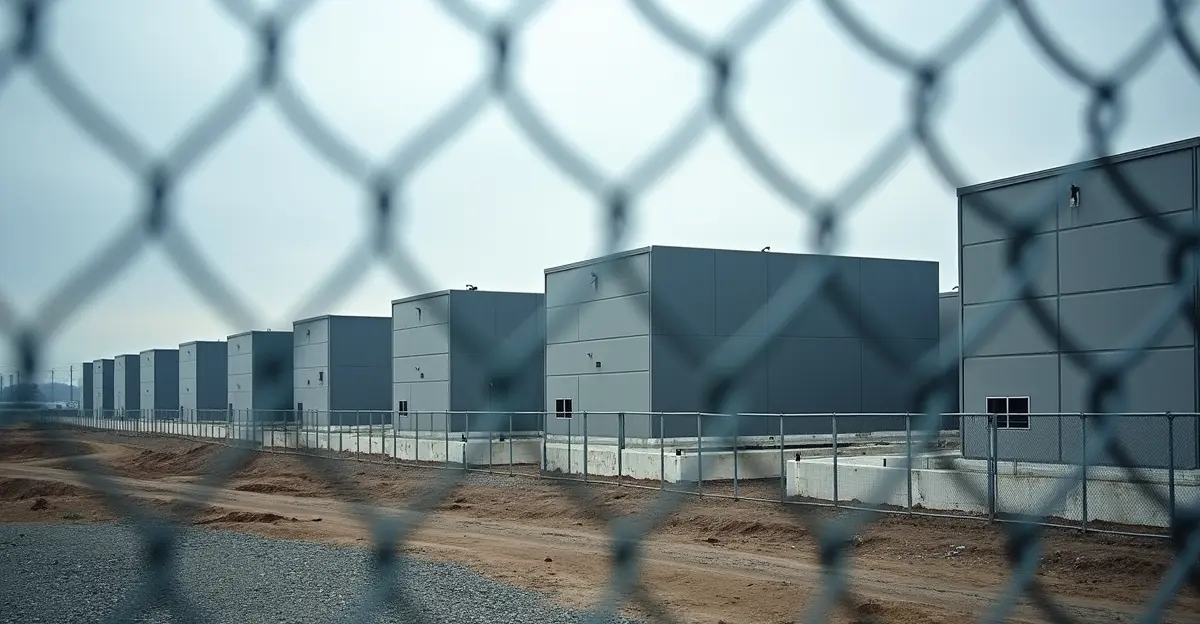
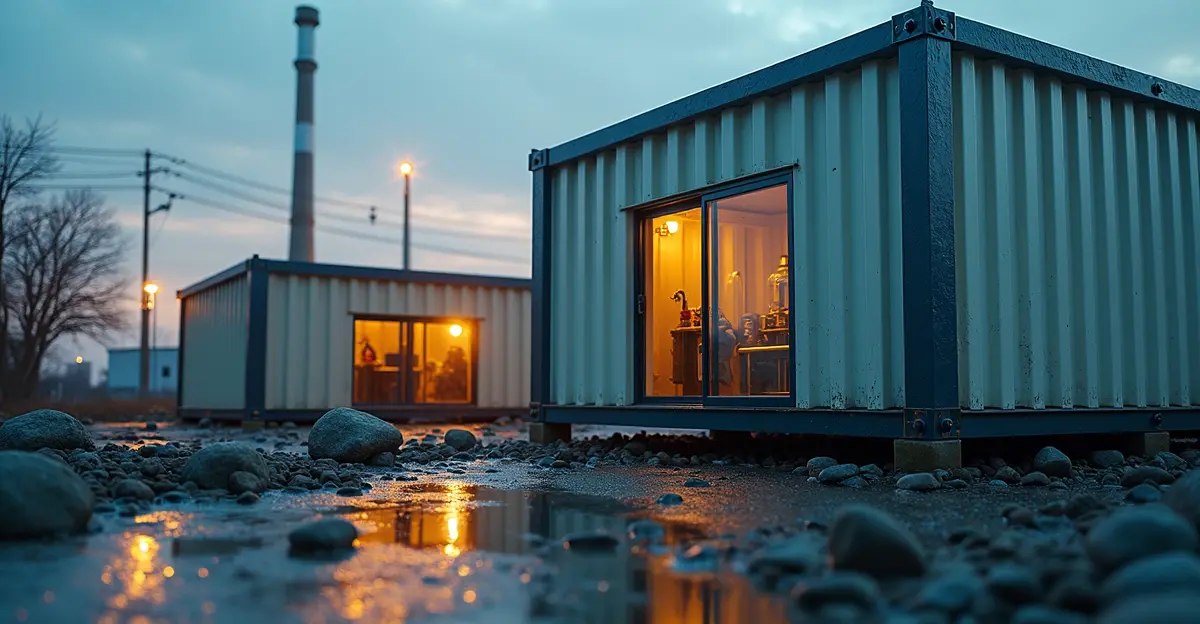
The Ward 250 microreactor, developed by California-based Valar Atomics, represents a significant advancement in nuclear technology. Measuring about the size of a minivan, this compact reactor can generate up to 5 megawatts of electricity - enough to power approximately 5,000 homes. Unlike traditional nuclear plants that require massive infrastructure, the Ward reactor is designed for modular transport and rapid assembly. 'This brings us closer to deploying nuclear energy when and where it's needed, to give our military the resources to win the fight,' said U.S. Under Secretary of Defense Michael Duffey, who witnessed the historic flight.
How Microreactors Compare to Traditional Power Sources
Microreactors offer distinct advantages over conventional energy sources for remote applications. Compared to diesel generators, which currently power many isolated military bases and communities, microreactors provide continuous power for up to 10 years without refueling and produce zero greenhouse gas emissions. The advanced nuclear technology behind these systems uses high-assay low-enriched uranium (HALEU) fuel, which provides higher energy density than traditional nuclear fuel. While initial costs are higher than diesel generators, microreactors become cost-competitive in locations where diesel fuel exceeds $1.50 per liter, according to recent studies.
| Feature | Micro Nuclear Reactor | Diesel Generator |
|---|---|---|
| Power Output | 1-20 MWe | Variable (typically 0.1-5 MWe) |
| Fuel Requirements | Refuel every 5-10 years | Continuous fuel delivery needed |
| Emissions | Zero greenhouse gases | High CO2 and particulate emissions |
| Deployment Time | Days to weeks | Hours to days |
| Operating Cost | Low after installation | High fuel and maintenance costs |
Military and Civilian Applications
The successful air transport demonstration opens new possibilities for both military and civilian energy solutions. For the U.S. military, microreactors could transform forward operating bases by reducing vulnerable fuel supply lines and providing reliable power in contested environments. The Department of Defense currently spends billions annually transporting fuel to remote bases, making the portable energy technology particularly valuable for national security. For civilian applications, these reactors could power remote communities, mining operations, data centers, and disaster relief efforts where traditional grid connections are unavailable or unreliable.
The Nuclear Reactor Pilot Program
This breakthrough is part of the broader Nuclear Reactor Pilot Program established by President Donald Trump's executive order in 2025. The program fast-tracks reactor development and testing, with Valar Atomics being one of ten companies selected to participate. The initiative aims to achieve criticality for at least three test reactors by July 4, 2026, and represents a significant shift in U.S. nuclear policy toward more agile, deployable energy solutions. Energy Secretary Chris Wright emphasized the strategic importance, stating that 'reliable, deployable power is essential for both national security and economic competitiveness in the 21st century.'
Safety and Environmental Considerations
While microreactors offer significant advantages, they also present unique safety and environmental challenges. The transported Ward reactor modules contained no nuclear fuel during the flight, with fueling scheduled to occur at the Utah San Rafael Energy Lab (URSEL) where the reactor will undergo testing. Microreactors incorporate multiple passive safety features, including heat pipe cooling systems that function without pumps and advanced containment designs. However, concerns remain about radioactive waste disposal and the security of transportable nuclear materials. The nuclear waste management challenge persists, though microreactors produce significantly less waste than traditional nuclear plants.
Future Deployment Timeline
The transported Ward reactor is scheduled to begin operations at the Utah testing facility in July 2026, with commercial power sales expected to start in 2027. Valar Atomics plans to develop a standardized reactor design for mass deployment, targeting applications in hydrogen production, data centers, and synthetic fuel manufacturing. The successful air transport demonstrates that microreactors can be deployed within days rather than the years required for traditional nuclear plants, potentially transforming how remote energy needs are met worldwide.
Frequently Asked Questions
How much power can a micro nuclear reactor generate?
Microreactors typically generate between 1-20 megawatts of electricity (MWe). The Ward 250 reactor transported in this demonstration produces 5 MWe, enough to power approximately 5,000 homes.
Are microreactors safe to transport by air?
Yes, when properly designed and transported without nuclear fuel. The Ward reactor modules were transported unfueled, with nuclear fuel to be inserted at the destination. Multiple containment layers and safety systems ensure safe transport.
How do microreactors compare to small modular reactors (SMRs)?
Microreactors are 100-1,000 times smaller than conventional reactors and smaller than SMRs. While SMRs typically produce 20-300 MWe for grid-scale applications, microreactors target remote, off-grid locations where diesel generators are currently used.
What are the main advantages of microreactors?
Key advantages include: 1) Rapid deployment capability, 2) 5-10 years of operation without refueling, 3) Zero greenhouse gas emissions, 4) Reduced logistical requirements compared to diesel generators, and 5) Enhanced energy security for remote locations.
When will microreactors be commercially available?
Commercial deployment is expected to begin in 2027, following successful testing at the Utah facility. Initial applications will likely focus on military bases, remote industrial sites, and communities with high energy costs.



Follow Discussion