


 Deutsch
 English
 Español
 Français
 Nederlands
 Português


 Share
Share




The Rise of Small Modular Reactors
Small Modular Reactors (SMRs) are revolutionizing the nuclear energy landscape with their compact design and enhanced safety features. These innovative nuclear fission reactors, rated at 300 MWe or less, represent a significant shift from traditional large-scale nuclear plants toward more flexible, scalable energy solutions.
What Makes SMRs Different?
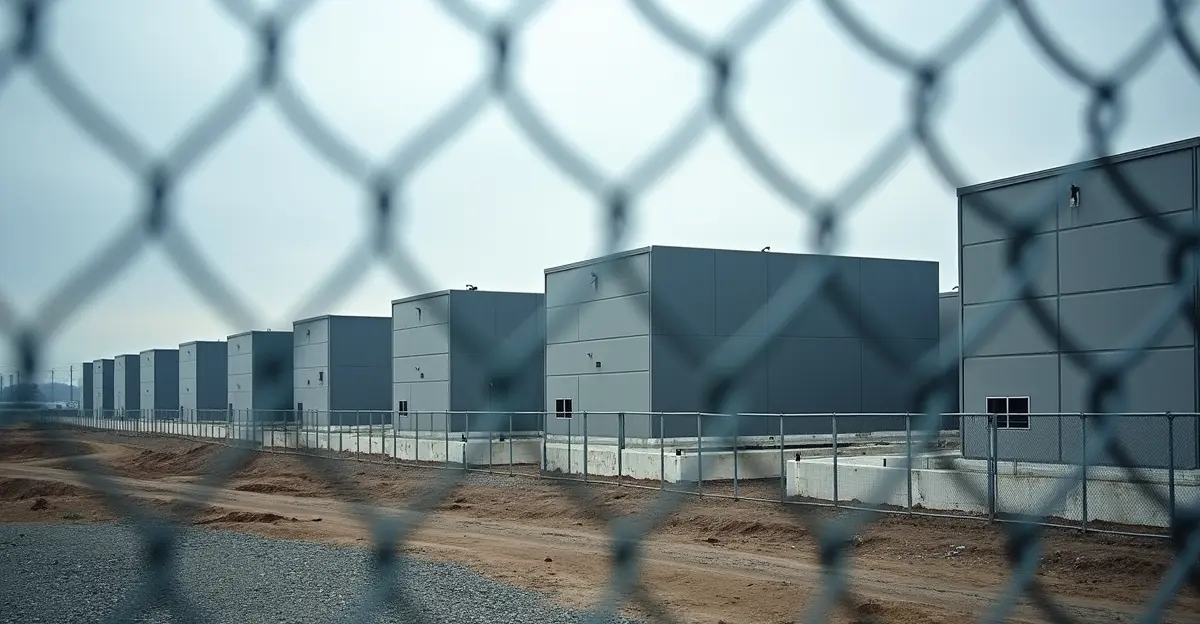
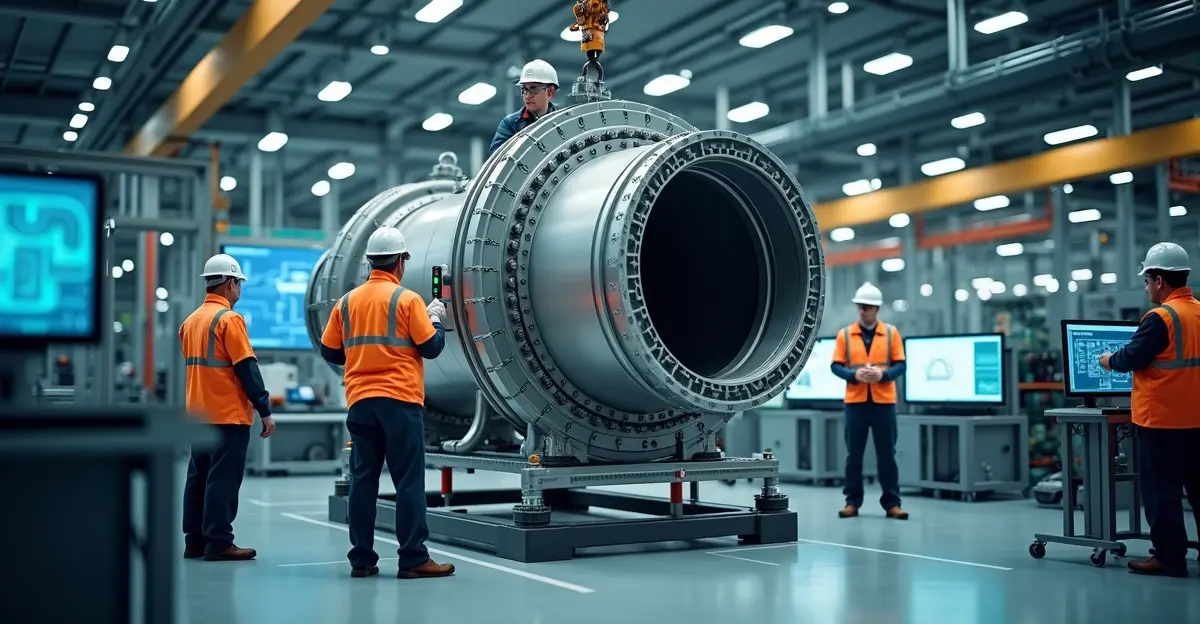
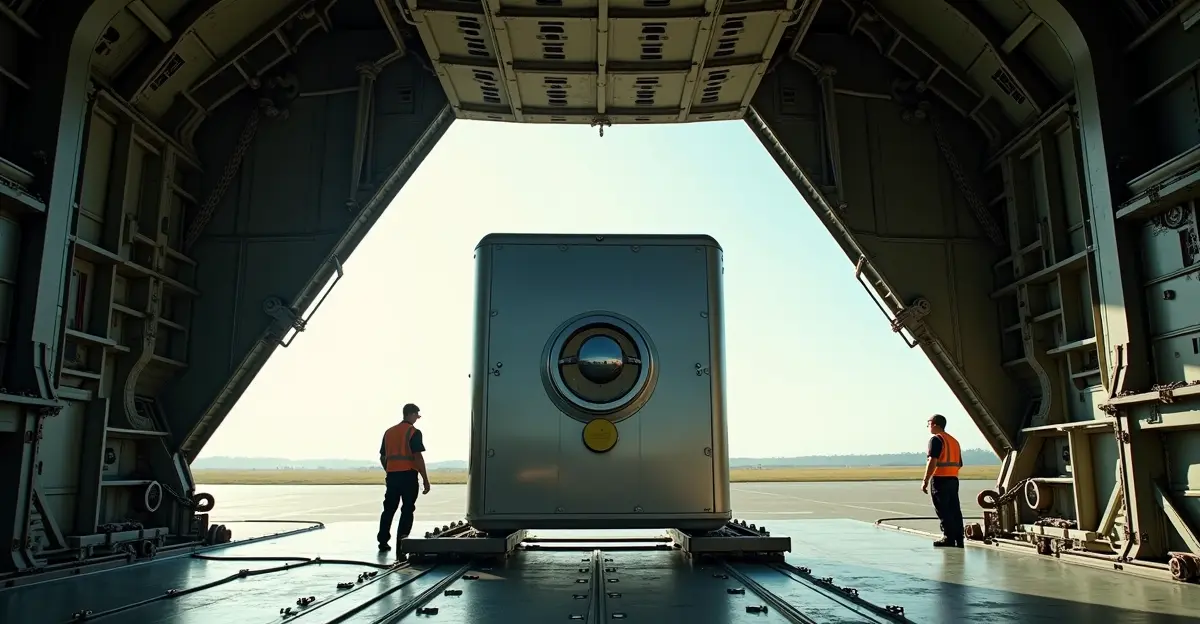
Unlike conventional nuclear reactors that require massive construction sites and decades of development, SMRs are designed for factory fabrication and modular assembly. This approach allows for streamlined construction processes and the ability to scale power generation by simply adding more modules as needed. The technology builds on decades of naval nuclear propulsion experience but uses low-enriched uranium fuel rather than the highly-enriched uranium used in military applications.
Enhanced Safety Features
The safety case for SMRs centers around their passive safety systems, which operate without external power or human intervention during emergencies. These systems include:
- Natural circulation cooling that works without pumps
- Underground containment structures for added protection
- Smaller radioactive inventories reducing potential consequences
- Simplified designs with fewer moving parts
"The passive safety systems in modern SMR designs represent a quantum leap in nuclear safety technology," says Dr. Maria Rodriguez, nuclear safety expert at the International Atomic Energy Agency. "These systems can maintain safe conditions for weeks without external intervention."
Regulatory Approval and Deployment
In a landmark decision, NuScale Power received the first Nuclear Regulatory Commission Design Certification approval for a commercial SMR design. This approval followed extensive testing and validation of their safety systems, including full-scale prototype testing at Oregon State University.
The regulatory process for SMRs has been adapted to address their unique characteristics, with emphasis on passive safety features and reduced emergency planning zones. This streamlined approach is expected to accelerate deployment while maintaining rigorous safety standards.
Global Interest and Applications
Countries worldwide are showing strong interest in SMR technology. The modular nature makes them ideal for:
- Remote communities and mining operations
- Industrial heat applications
- Data center power requirements
- Grid stability and backup power
- Desalination plants
"We're seeing unprecedented interest from technology companies looking to power data centers with clean, reliable nuclear energy," notes John Chen, energy analyst at Clean Tech Futures. "SMRs offer the density and reliability that renewable alternatives can't match."
Challenges and Future Outlook
Despite the promising safety features, SMRs face challenges including public perception, financing, and supply chain development. However, the growing demand for carbon-free baseload power and advancements in nuclear technology are driving increased investment and research.
The future of nuclear energy appears to be moving toward smaller, safer, and more flexible designs. As climate change concerns intensify and energy demands grow, SMRs offer a promising path forward for clean, reliable power generation.


Follow Discussion