


 Deutsch
 English
 Español
 Français
 Nederlands
 Português


 Share
Share




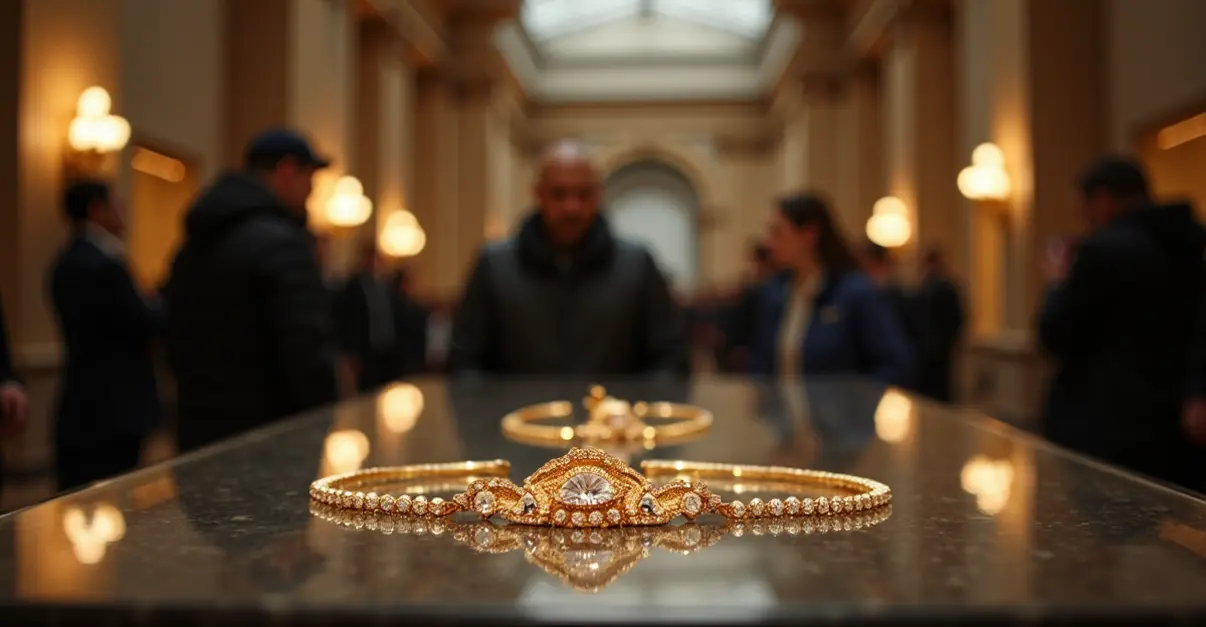
Masked thieves stole an estimated €4 million worth of crystal jewellery from the Musée Lalique in Wingen-sur-Moder, northeastern France, in a brazen early-morning burglary on Sunday, July 5, 2026. The heist, which targeted approximately twenty unique pieces by renowned Art Nouveau jeweller and glassmaker René Lalique, has triggered a major investigation and raised serious questions about museum security protocols across France.
How the Burglary Unfolded
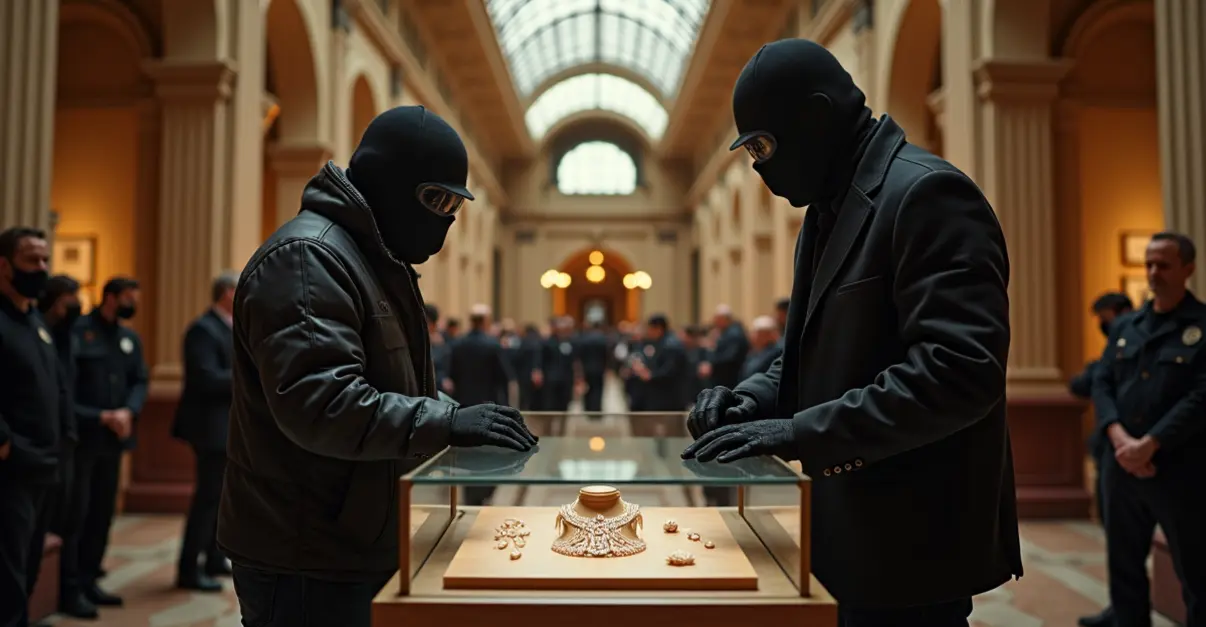
According to French authorities, the burglars struck around 5:30 AM local time. They gained entry by forcing a door and then smashed six display cases in the museum's jewellery room. The thieves made off with roughly twenty pieces of crystal jewellery — items that, notably, do not contain precious gemstones and therefore cannot be melted down, making them difficult to sell on the black market without raising suspicion.
Despite triggering an alarm, the security company contracted by the museum did not alert the police immediately. A cleaning lady arriving for her morning shift discovered the shattered cases and alerted the gendarmerie around 7:00 AM. The delay has become a focal point of criticism from local officials.
Mayor Christian Dorschner, who also serves as vice-president of the museum, condemned what he called a 'major failure' by the security firm. He told reporters: 'The timing of these events raises serious questions. The perpetrators were clearly well informed. They went straight for the jewellery room.' He estimated the damage could be 'significant, probably close to four million euros.'
An anonymous source close to the investigation told AFP that the stolen items are 'crystal jewels without precious stones, which makes them harder to fence but also means they are irreplaceable works of art.'
The Target: Musée Lalique
The Musée Lalique, which opened in 2011, is dedicated to the life and work of René Lalique (1860–1945), a master jeweller and glassmaker who rose to fame during the Art Nouveau and Art Deco periods. The museum houses over 650 works, including jewellery, vases, perfume bottles, and glassware, spread across 900 square metres of exhibition space. Lalique's designs — often featuring natural motifs such as dragonflies, orchids, and peacocks — are celebrated worldwide and held in major collections including the Calouste Gulbenkian Museum in Lisbon.
The museum had been on heightened alert since the Louvre museum heist October 2025, where thieves disguised as construction workers stole eight pieces of the French Crown Jewels valued at approximately €88 million ($102 million) in a daring seven-minute robbery. Following that incident, French cultural authorities urged museums to review their security arrangements, but the Lalique break-in suggests vulnerabilities remain.
Security Failures Under Scrutiny
The burglary has exposed what critics describe as a 'trou dans la raquette' (a gap in the net) in the museum's security chain. The alarm was triggered at 5:30 AM, but the security company dispatched a guard only after the cleaning lady called the police at 7:00 AM. By then, the thieves had long fled.
The mayor has demanded a full inquiry into the security company's response time. The investigation has been assigned to the Bas-Rhin criminal investigation unit, and CCTV footage from the museum and surrounding area is being analysed. Police have not yet made any arrests, but they believe the perpetrators acted with precise knowledge of the museum's layout and security systems.
This incident echoes concerns raised after the Louvre heist, where an investigation revealed that the surveillance system password was reportedly 'Louvre' and that security audit recommendations had gone unaddressed. French museums are now under pressure to implement stricter protocols, especially for smaller regional institutions that may lack the resources of major national museums like the Louvre Museum Paris security upgrades.
Impact on the Art World
The theft of Lalique pieces is a significant loss to France's cultural heritage. Unlike gold or diamonds, the stolen crystal jewellery cannot be melted down or recut, meaning the items are effectively worthless to anyone but a collector willing to risk purchasing stolen art. Experts believe the pieces may have been stolen to order for a private collector.
The museum announced it will remain closed for several days to allow for a full security review and to plan a safe reopening. In the meantime, the French Ministry of Culture has offered support to the museum and reiterated its commitment to protecting the nation's artistic treasures.
This is the second major museum heist in France in less than a year, following the Louvre robbery in October 2025, and it has reignited debate about museum security funding Europe across the continent.
FAQ: Lalique Museum Burglary
What was stolen from the Lalique Museum?
Approximately twenty pieces of crystal jewellery designed by René Lalique, valued at around €4 million. The items are made of crystal without precious gemstones.
When did the burglary happen?
Around 5:30 AM on Sunday, July 5, 2026.
How did the thieves break in?
They forced a door and smashed six display cases in the jewellery room. They entered through a emergency exit after failing to break windows.
Why was the alarm not acted upon immediately?
The security company did not alert police promptly. A cleaning lady discovered the burglary and called authorities around 7:00 AM.
Is this linked to the Louvre heist?
No direct link has been established, but the Louvre heist in October 2025 — where €88 million in crown jewels were stolen — prompted heightened security awareness across French museums.
Follow Discussion