

 Deutsch
 English
 Español
 Français
 Nederlands
 Português






COP31 2026: The Implementation Era and the $1.3 Trillion Climate Finance Challenge
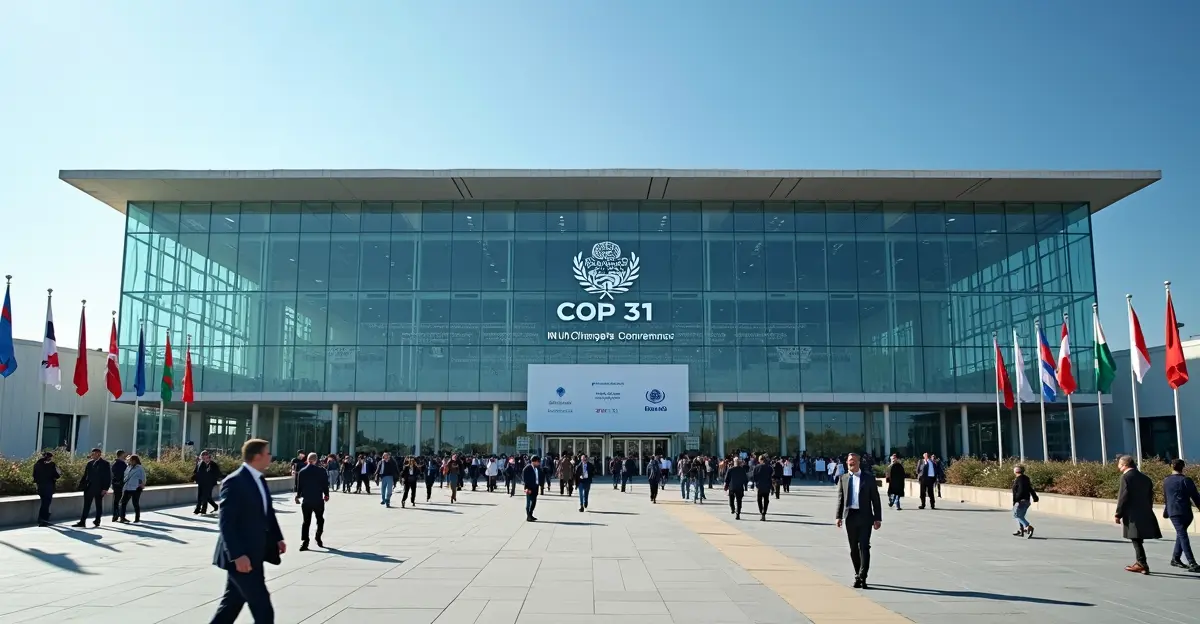
The 31st United Nations Climate Change Conference (COP31), scheduled for November 9-20, 2026 in Antalya, Türkiye, represents a critical pivot from climate negotiation to implementation, focusing on operationalizing the unprecedented $1.3 trillion annual climate finance target established at COP30. This summit will test whether global climate governance can transition from ambitious commitments to tangible capital flows, reshaping energy security policies and North-South climate justice dynamics in the process.
What is COP31 and Why Does It Matter?
COP31 marks the first major climate summit following the landmark $1.3 trillion annual climate finance commitment made at COP30 in Belém, Brazil. Unlike previous conferences focused on target-setting, COP31's success will be measured by its ability to translate financial pledges into concrete investment pipelines. The conference unfolds against a backdrop of intensifying geopolitical competition where climate finance has become a tool of strategic influence, making the global climate governance landscape more complex than ever before.
The Unprecedented Dual Presidency Model
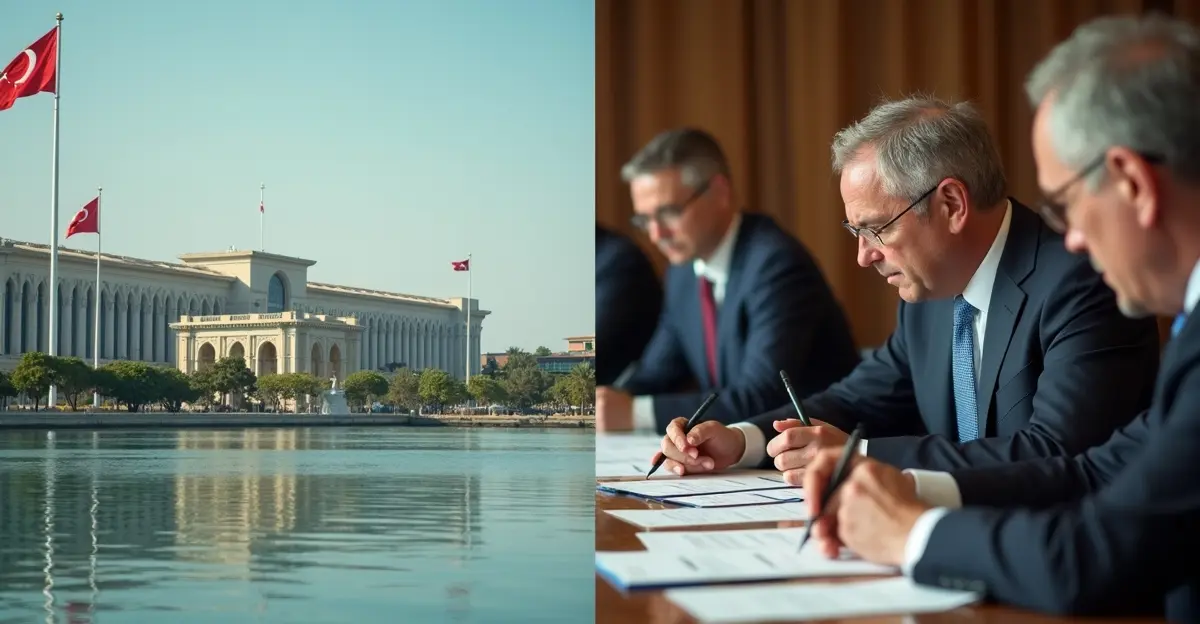
COP31 introduces an innovative governance structure with Türkiye and Australia sharing presidency responsibilities. Türkiye will host the conference in Antalya as formal COP President, while Australia assumes exclusive authority as President of Negotiations. This arrangement emerged from a year-long stalemate over hosting rights and strategically bridges developed-developing nation divides.
Geopolitical Implications
The Türkiye-Australia partnership represents a calculated response to shifting global power dynamics. Türkiye brings emerging economy perspectives and strategic positioning between Europe and Asia, while Australia contributes developed country expertise and Pacific regional leadership. This model could reshape future climate governance by creating more resilient structures less vulnerable to individual nation withdrawals, particularly relevant given the United States climate policy shifts in early 2026.
The $1.3 Trillion Climate Finance Challenge
The core challenge facing COP31 is scaling climate finance from current levels of approximately $190 billion annually to $1.3 trillion by 2035—a seven-fold increase requiring unprecedented mobilization of public and private capital. According to the Independent High-Level Expert Group on Climate Finance (IHLEG), this target represents external climate finance for developing countries (excluding China), with total annual investment needs reaching $3.2 trillion across all sectors.
Structural Implementation Barriers
Operationalizing this massive financial commitment faces multiple structural challenges:
- Mobilization Gap: Current flows remain 'woefully inadequate' according to IHLEG, requiring multilateral development banks to triple climate lending to $160-240 billion annually
- Private Sector Engagement: Private capital must increase fifteenfold to $650 billion, necessitating new risk-sharing mechanisms and investment frameworks
- Adaptation Finance: Commitments to triple adaptation funding to $120 billion by 2035 require innovative funding sources like solidarity levies on aviation and shipping
- Country Platforms: Only 13 nations plus a Caribbean joint platform have announced development plans to translate climate commitments into investable projects
NDCs 3.0: From Commitments to Capital
As nations develop their third generation of Nationally Determined Contributions (NDCs 3.0) throughout 2026, the focus shifts from target-setting to creating credible investment prospectuses. According to Climate Policy Initiative analysis, only 22 parties had submitted updated NDCs by February 2025, with just 15 quantifying climate finance needs. Successful implementation requires transforming NDCs from political commitments into actionable investment roadmaps with clear costings and financing strategies.
The Paris Agreement implementation framework faces its most significant test as Ministries of Finance worldwide must leverage their unique position to develop NDC investment strategies that quantify financing needs and create bankable project pipelines. Tools like climate-budget tagging in national budgets, blended finance instruments, and sustainable taxonomies will be critical for bridging the climate finance gap.
Global Capital Flow Reshaping
COP31 will fundamentally reshape global capital flows by establishing precedents for climate investment allocation. The conference's outcomes will determine whether climate finance becomes a driver of equitable development or reinforces existing economic disparities. Key areas of focus include:
- Energy Security Transitions: Redirecting capital from fossil fuel infrastructure to renewable energy systems
- Climate Justice Mechanisms: Ensuring vulnerable nations receive adequate adaptation and loss/damage funding
- Technology Access: Addressing intellectual property barriers to clean technology transfer
- Accountability Frameworks: Establishing transparent monitoring and verification systems for climate finance flows
Expert Perspectives on Implementation Challenges
Climate finance experts emphasize the unprecedented scale of the implementation challenge. 'The $1.3 trillion target represents not just a quantitative leap but a qualitative transformation in how we finance climate action,' notes a senior UNFCCC official involved in COP31 preparations. 'Without social protection and equity considerations embedded in financing mechanisms, there will be no durable climate transition.'
The climate justice movement has intensified calls for equitable distribution mechanisms, particularly for adaptation finance where current commitments remain modest at $135 million for the Adaptation Fund. Civil society organizations are preparing to hold developed nations accountable for their financial pledges, creating additional pressure on COP31 negotiators.
Frequently Asked Questions
What is COP31 and when will it take place?
COP31 is the 31st United Nations Climate Change Conference scheduled for November 9-20, 2026 in Antalya, Türkiye. It represents the next major global climate summit following COP30 in Brazil.
What is the $1.3 trillion climate finance target?
The $1.3 trillion annual climate finance target was established at COP30, requiring developed countries to provide this amount to developing nations by 2035 for climate mitigation and adaptation efforts—a seven-fold increase from current funding levels.
How does the Türkiye-Australia dual presidency work?
Türkiye hosts the conference in Antalya as formal COP President, while Australia serves as President of Negotiations with authority to manage talks, prepare draft texts, and issue the summit's cover decision—an unprecedented arrangement bridging developed and developing country interests.
What are NDCs 3.0?
NDCs 3.0 refers to the third generation of Nationally Determined Contributions that countries must submit in 2025-2026, shifting focus from target-setting to creating implementable investment plans with clear financing strategies.
Why is COP31 considered the 'implementation era'?
COP31 marks the transition from climate negotiation to implementation, testing whether the ambitious financial commitments made at previous COPs can be translated into concrete capital flows and investment pipelines.
Conclusion: The Future of Climate Governance
COP31 represents a watershed moment in global climate governance, where the theoretical frameworks of previous summits meet the practical challenges of implementation. The success or failure of the $1.3 trillion climate finance mobilization will determine whether the world can accelerate climate action at the pace required by science. As preparations intensify throughout 2026, all eyes will be on Antalya to see whether the international community can transform climate promises into tangible progress.
Sources
UNFCCC COP31 Official Information, World Resources Institute COP30 Analysis, Informed Clearly Dual Presidency Report, Climate Policy Initiative NDCs 3.0 Analysis




Follow Discussion