Nederlands
 English
 Deutsch
 Français
 Español
 Português





India's Aviation Crisis Deepens as IndiGo CEO Receives Show-Cause Notice
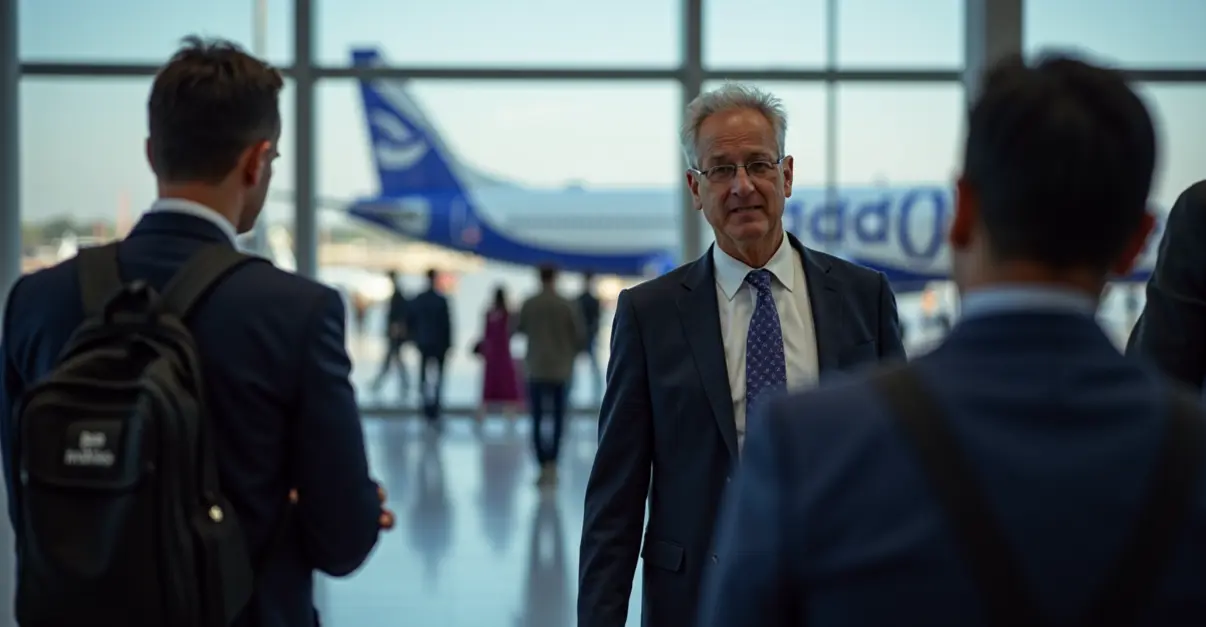
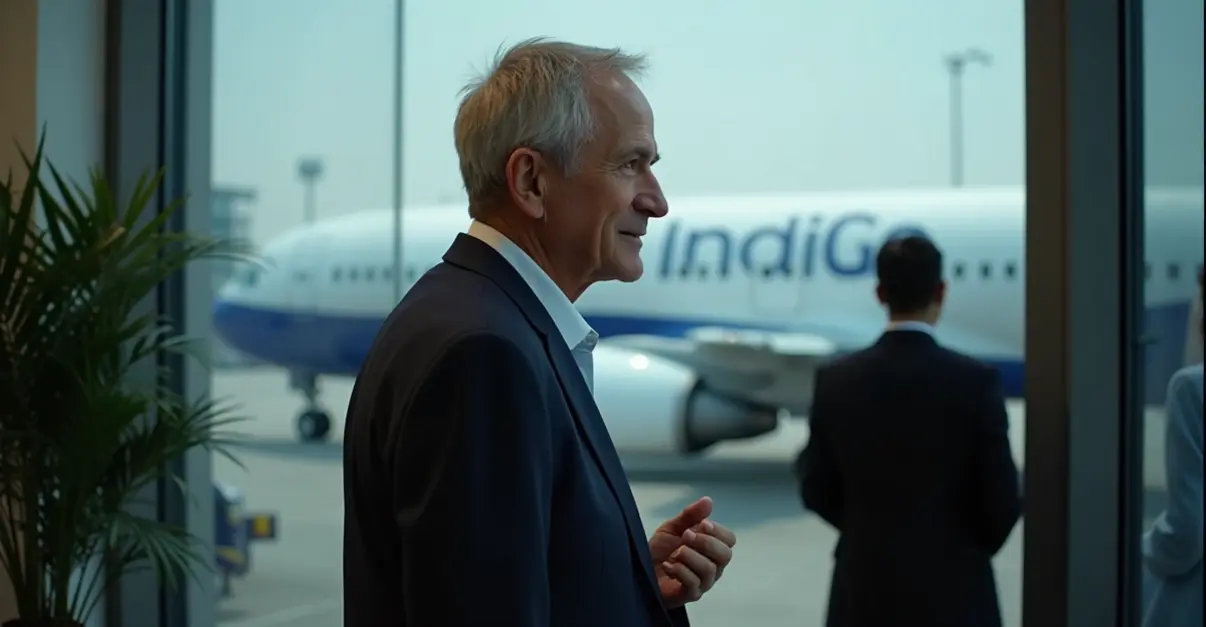
India's largest airline, IndiGo, is facing its worst operational crisis in two decades, with CEO Pieter Elbers receiving a 24-hour ultimatum from aviation regulators to explain massive flight cancellations that have stranded thousands of passengers across the country. The Directorate General of Civil Aviation (DGCA) issued the show-cause notice to the Dutch executive, demanding immediate explanations for what has become India's most significant aviation disruption in recent memory.
The Scale of the Crisis
Over the past week, IndiGo has cancelled more than 1,400 flights, including nearly 400 on Saturday alone and over 1,000 on Friday. The chaos has affected major airports including Delhi, Chennai, Bengaluru, Mumbai, and Hyderabad, with scenes of stranded passengers and overwhelmed airport facilities dominating news coverage. 'This is the worst crisis we've faced since our founding 20 years ago,' admitted an IndiGo spokesperson in a statement to Reuters.
The airline, which commands a dominant 64.2% share of India's domestic market according to Wikipedia data, operates over 2,700 daily flights to 137 destinations. Even a 10% disruption affects 200-400 flights daily, creating a ripple effect across India's aviation network.
Regulatory Pressure Mounts
The DGCA's notice to Elbers, which was confirmed by multiple sources including The Week, cites significant lapses in planning, oversight, and resource management. 'As CEO, you have failed to take timely measures for executing reliable operations,' the regulator stated in its confidential notice, which was reviewed by Reuters.
The crisis stems from new Flight Duty Time Limitations (FDTL) rules implemented on November 1, 2025, which increased pilot weekly rest requirements from 36 to 48 hours and limited night landings to two per week instead of six. While other major airlines like Air India and Akasa adapted successfully, IndiGo's failure to prepare adequately has exposed critical weaknesses in its crew-planning model.
Government Intervention and Temporary Solutions
In response to the escalating crisis, the Indian government has taken unprecedented measures. The DGCA has temporarily suspended the new pilot rest rules, as reported by Hindustan Times, withdrawing the requirement that 'no leave shall be substituted for weekly rest' with immediate effect. Additionally, the government has capped airfares to prevent price gouging and deployed special trains to transport stranded passengers between major cities.
'We are continuously monitoring airfares and maintaining contact with all airlines to ensure passenger welfare,' stated a government spokesperson. The Civil Aviation Ministry has also established a crisis management group including Elbers and board chairman Vikram Singh Mehta to address the situation.
CEO's Response and Background
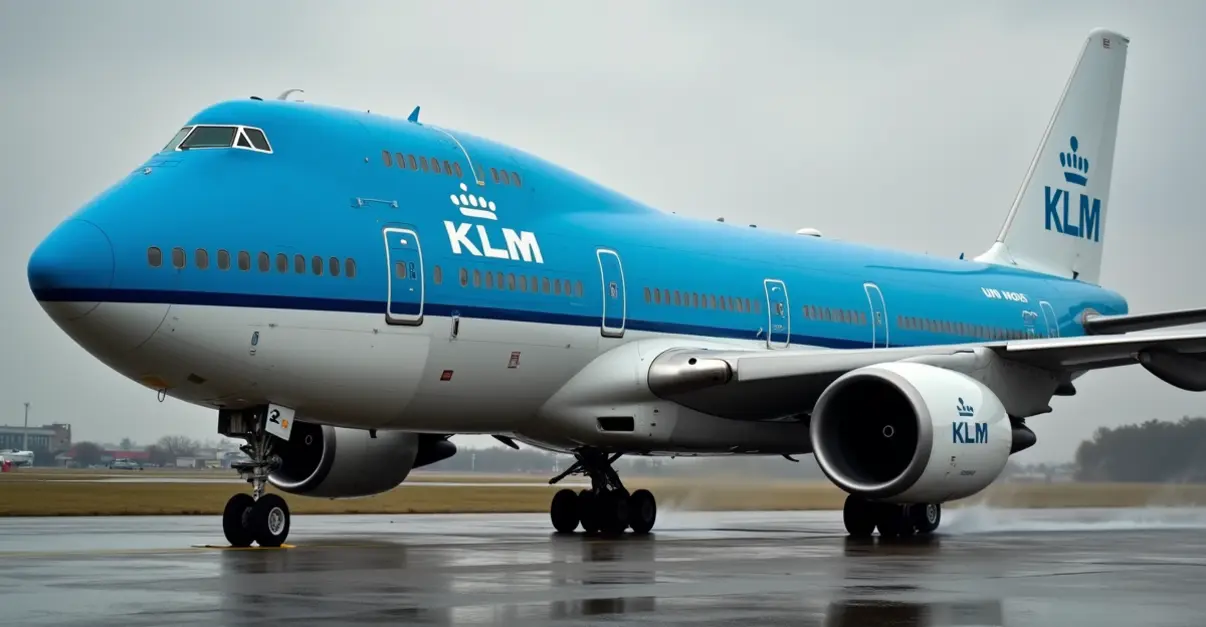
Pieter Elbers, who took over as IndiGo's CEO in September 2022 after serving as KLM's chief executive for eight years, has publicly apologized for the disruptions. In an internal email obtained by media outlets, Elbers attributed the chaos to 'technical glitches, adverse weather conditions, and the implementation of new regulations.'
According to his Wikipedia profile, Elbers began his aviation career with KLM in 1992 and holds extensive international experience. However, his transition to India's complex aviation market has faced its toughest test yet. 'India has become my home after two years of living here,' Elbers recently stated, but the current crisis threatens to overshadow his tenure.
Market Impact and Recovery Timeline
The financial implications are substantial, with IndiGo's on-time performance plummeting to just 19.7% during the crisis. Ticket prices on alternative airlines soared dramatically, with Mumbai-Delhi flights reaching over ₹51,000 (approximately $610) at peak times. The airline has offered full refunds for cancelled tickets and expects to return to normal operations between December 10-15, though some industry analysts warn that full stability may not return until February 2026.
The crisis has also sparked political reactions, with opposition parties criticizing the government's handling of the situation and pilot associations expressing concerns about potential dilution of safety standards. As India's aviation sector continues to grow rapidly, this episode highlights the delicate balance between expansion, safety regulations, and operational reliability.
With thousands of passengers still affected and regulatory scrutiny intensifying, all eyes are on Pieter Elbers as he prepares his response to the DGCA's ultimatum. The outcome could have significant implications not just for IndiGo, but for India's entire aviation ecosystem.