Nederlands
 English
 Deutsch
 Français
 Español
 Português





Unwelcome Rodent Stowaway Disrupts Transatlantic Travel
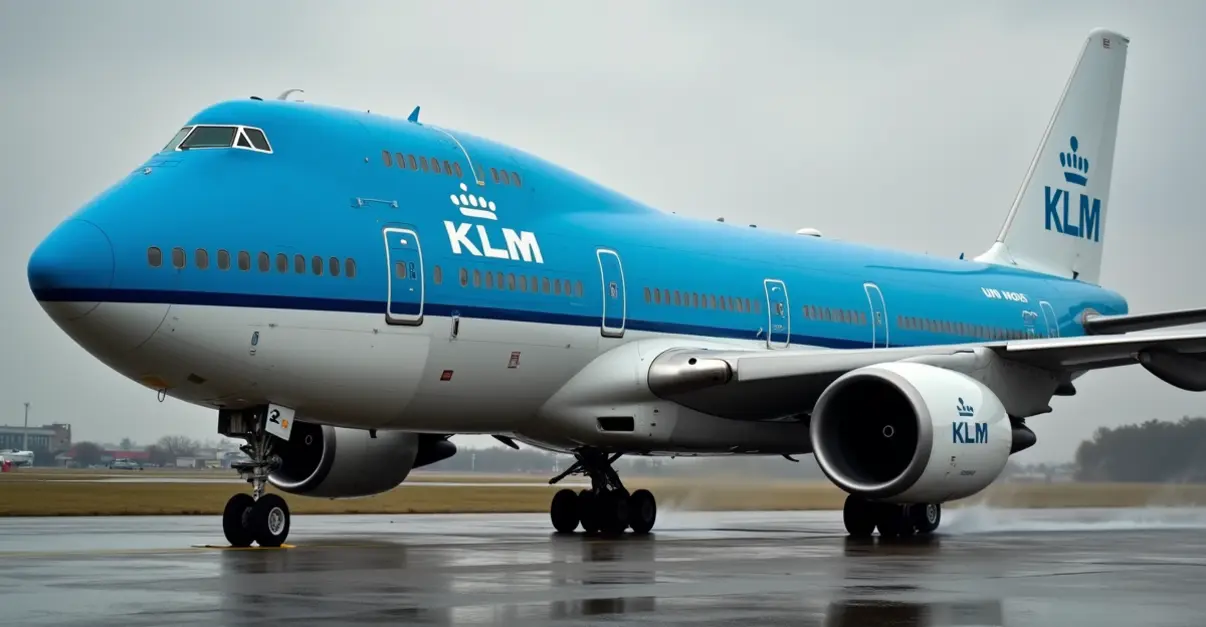
More than 250 passengers found themselves unexpectedly stranded in the Caribbean this week after a rat was discovered aboard a KLM Royal Dutch Airlines flight from Amsterdam to Aruba and Bonaire. The unusual incident, which occurred on December 10th, 2025, has highlighted the unexpected challenges that can disrupt modern air travel and the stringent safety protocols airlines must follow when dealing with animal intrusions.
The Unfolding Situation
The drama began mid-flight across the Atlantic when passengers and crew aboard KLM Flight KL765 spotted a rat scurrying through the cabin. According to multiple reports, the rodent was seen climbing along curtain tracks and moving through overhead compartments, causing understandable distress among travelers. 'We were about halfway across the ocean when someone screamed. At first we thought it was turbulence, but then we saw it—a rat running along the aisle,' recounted passenger Maria Rodriguez, who was traveling with her family.
The captain faced a critical decision: return to Amsterdam's Schiphol Airport or continue to the Caribbean destination. With the aircraft already deep over the Atlantic, the pilot opted to continue to Aruba's Queen Beatrix International Airport, a decision supported by KLM's safety protocols. 'Safety is our absolute priority. While the situation was certainly unusual, continuing to Aruba was the safest option given our position over the ocean,' explained KLM spokesperson Erik van der Meer in a statement to De Telegraaf.
Grounding and Stranded Passengers
Upon arrival in Aruba, the Airbus A330 was immediately taken out of service. KLM cancelled both the onward flight to Bonaire's Flamingo Airport and the scheduled return flight to Amsterdam. This left over 250 passengers—some continuing to Bonaire, others returning to the Netherlands—stranded in the Caribbean without their planned transportation.
The airline quickly arranged hotel accommodations for affected travelers and began working on rebooking options. 'We find it extremely unfortunate for all those people who are there now and were counting on flying back to Amsterdam. We are doing everything we can to get these people to their proper destination,' van der Meer stated. The cleaning and inspection process proved more complex than initially anticipated, taking over 36 hours to complete as crews worked to trap the rodent and conduct thorough sanitation.
Safety Concerns and Industry Protocols
While rodent sightings on aircraft are relatively rare, they pose significant safety risks that airlines take extremely seriously. Rats and other rodents can chew through critical wiring, damage insulation, and create unsanitary conditions that violate health regulations. According to aviation safety experts, such incidents require comprehensive extermination procedures and detailed inspections before an aircraft can return to service.
'This isn't just about cleaning—it's about ensuring the structural and electrical integrity of the aircraft,' explained aviation safety consultant Dr. Sarah Chen. 'Rodents can cause damage that isn't immediately visible, so airlines follow strict protocols that include trapping, deep cleaning, and thorough inspections of vulnerable areas.'
Passenger Rights and Compensation
For the stranded passengers, the incident raises questions about compensation and passenger rights. Under EU Regulation 261/2004, passengers on flights departing from EU airports or operated by EU carriers are entitled to specific rights when flights are cancelled. These include the right to care (meals, refreshments, and accommodation when necessary), re-routing or reimbursement, and in some cases, financial compensation.
However, whether passengers will receive compensation depends on whether the incident qualifies as an 'extraordinary circumstance' beyond the airline's control. 'The key question is whether KLM could have prevented the rat from boarding,' noted travel rights advocate James Wilson. 'If this was a failure in their pest control procedures, passengers could be entitled to compensation of up to €600 depending on their flight distance and delay length.'
Broader Implications and Historical Context
KLM, founded in 1919 and the world's oldest airline still operating under its original name, has faced various operational challenges throughout its history. This incident comes at a time when the airline industry continues to recover from pandemic-related disruptions while facing new challenges ranging from staffing issues to environmental pressures.
Similar rodent-related incidents have occurred with other carriers. In September 2025, an IndiGo flight in India was evacuated as a precaution when a rat was suspected to be onboard. These events highlight the ongoing battle airlines face in keeping aircraft free from unwanted animal passengers despite rigorous cleaning and maintenance schedules.
As KLM works to reunite stranded travelers with their destinations and return the affected aircraft to service, the incident serves as a reminder of the complex, interconnected systems that enable modern air travel—and how easily they can be disrupted by the most unexpected of circumstances.