


 Deutsch
 English
 Español
 Français
 Nederlands
 Português


 Share
Share




AI's Energy Dilemma: How Power Grids Are Shaping 2026's Geopolitical Tech Race
The explosive growth of artificial intelligence infrastructure is creating unprecedented electricity demands that are fundamentally reshaping global technology competition. As data centers now require gigawatt-scale power, nations are being forced to prioritize energy capacity over pure innovation speed, creating new geopolitical advantages for countries with robust power grids and rapid infrastructure deployment capabilities. Recent analysis shows AI's electricity demands are expected to more than double by 2030, making energy infrastructure a critical bottleneck that will determine which nations lead in frontier technologies through 2026 and beyond.
What is the AI Energy Dilemma?
The AI energy dilemma refers to the growing conflict between artificial intelligence's massive computational requirements and the physical limitations of global power infrastructure. As AI models become more complex and data centers expand exponentially, their energy consumption has created a sustainability paradox where technological advancement threatens to overwhelm existing energy systems. According to the International Energy Agency, data centers currently consume about 415 terawatt-hours of electricity globally (1.5% of total consumption in 2024), growing at 12% annually. With AI adoption accelerating, electricity consumption is projected to double to 945 TWh by 2030, representing nearly 3% of global electricity demand.
The Scale of the Challenge
Unprecedented Power Demands
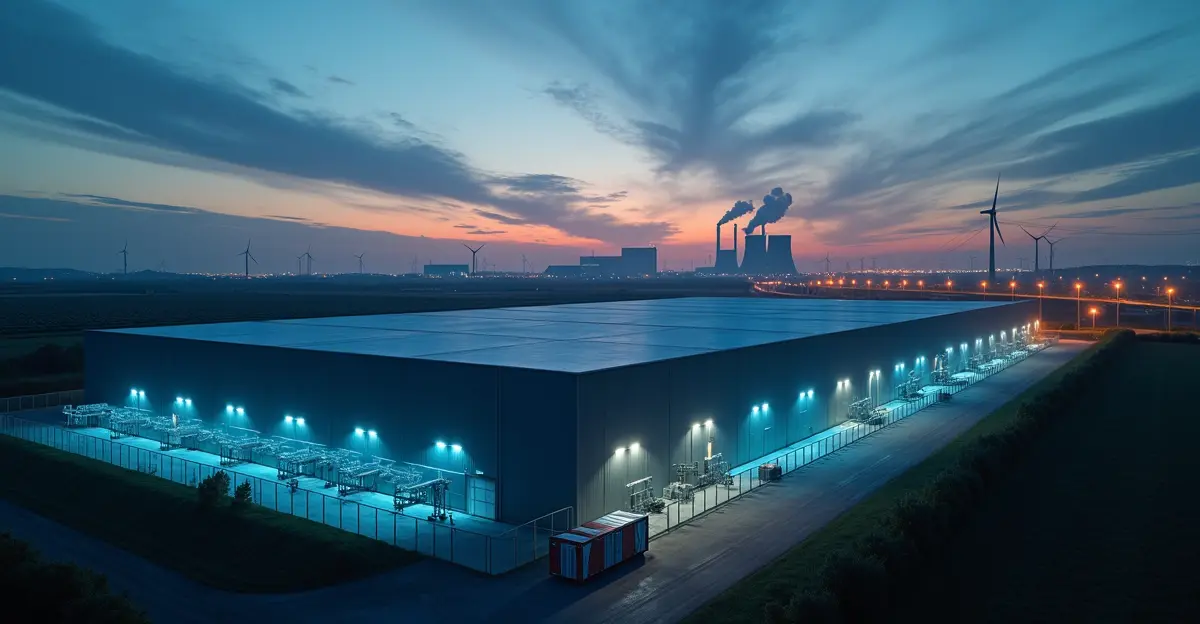
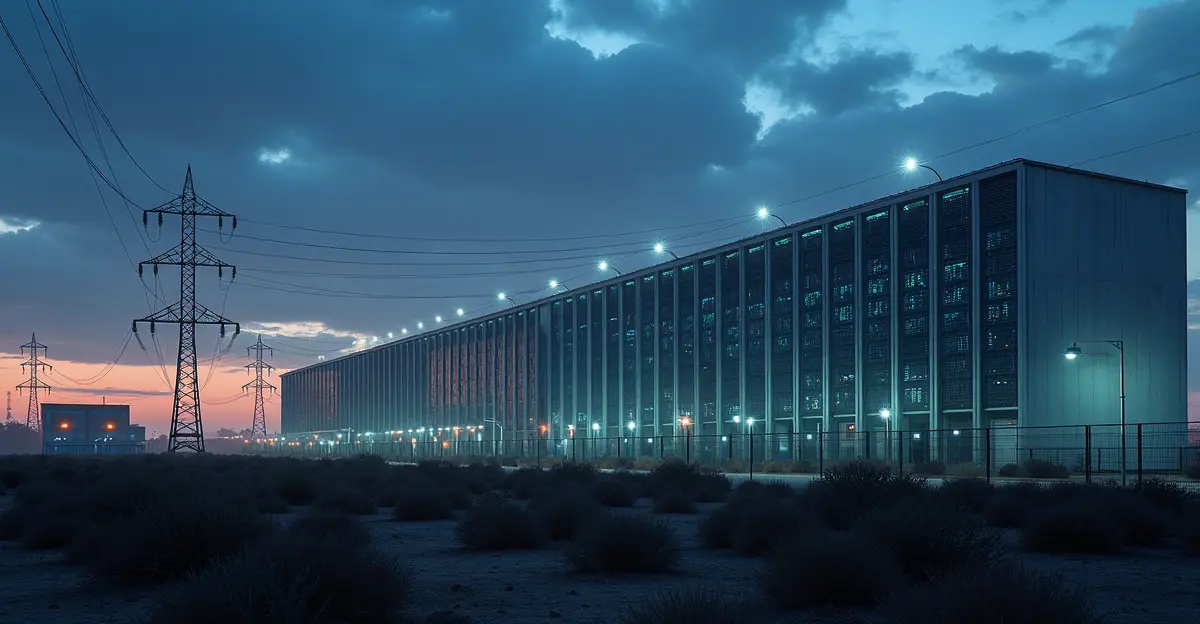
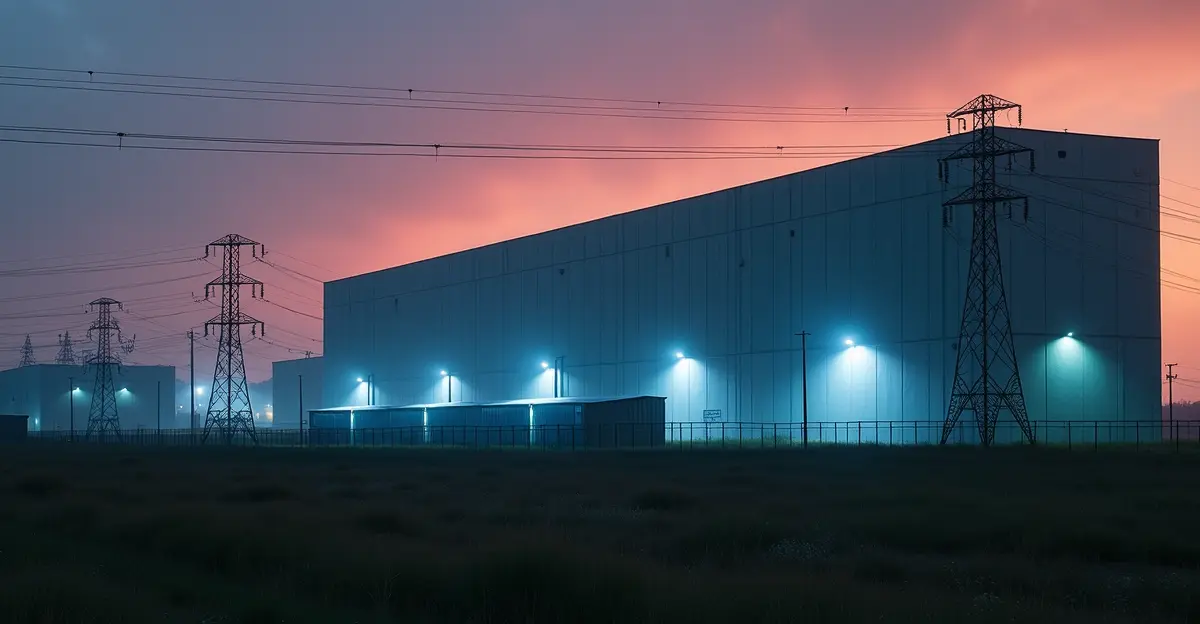
AI-focused hyperscale data centers consume enormous energy, with a typical facility using as much electricity as 100,000 households. Larger facilities under construction are expected to use 20 times more power. The Pew Research Center analysis reveals that U.S. data centers alone consumed 183 terawatt-hours of electricity in 2024, representing over 4% of the country's total electricity consumption - roughly equivalent to Pakistan's annual electricity demand. With the AI boom driving rapid expansion, this figure is projected to grow by 133% to 426 TWh by 2030.
Grid Reliability Concerns
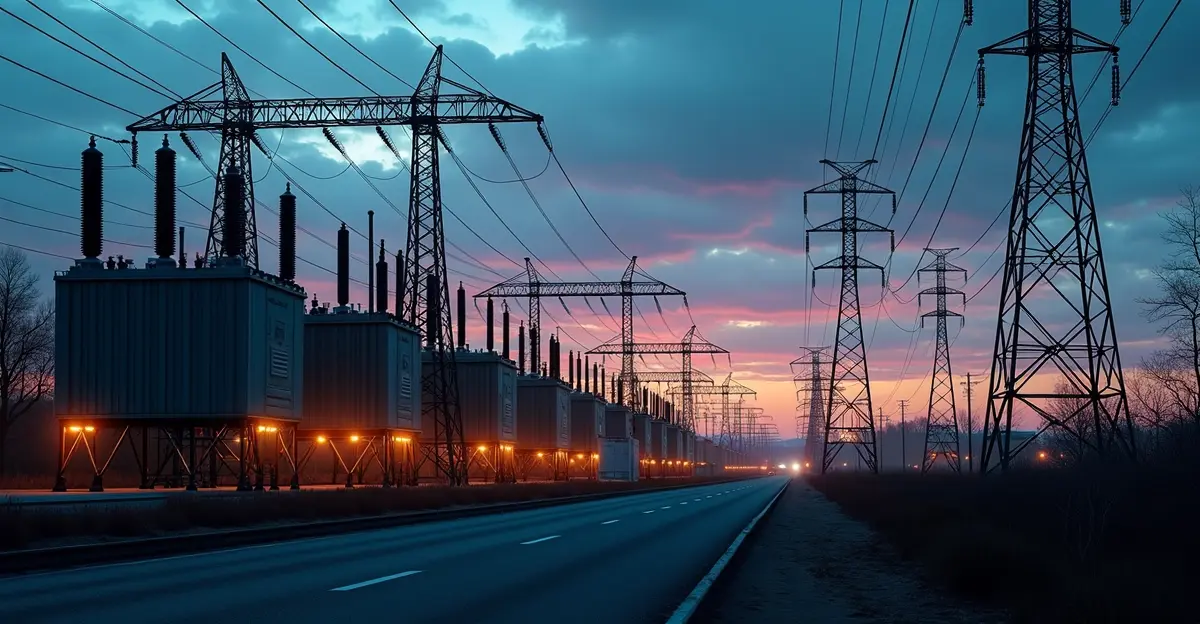
The rapid expansion of AI and data centers is creating unprecedented challenges for electric grids worldwide. Data center electricity consumption in the U.S. is projected to grow dramatically from 176 terawatt hours (4.4% of total U.S. consumption) in 2023 to between 325-580 TWh (6.7-12.0%) by 2028. This surge is straining grid reliability, with incidents like a July 2024 voltage fluctuation in northern Virginia triggering 60 data centers to disconnect simultaneously, creating a 1,500-megawatt power surplus that nearly caused cascading outages.
Geopolitical Implications
The U.S.-China Energy Gap
While the United States leads in AI semiconductors and innovation, China possesses a significant energy advantage - what experts call the "electron gap." According to Brookings Institution analysis, China's ability to build infrastructure quickly without public opposition gives it an advantage in meeting AI's urgent energy needs. China has historically expanded energy capacity rapidly, generating twice as much electricity as the U.S. and increasing generation by nearly 6% annually. This infrastructure advantage could reshape the global semiconductor competition in unexpected ways.
Regional Power Concentration
The U.S. has over 4,000 data centers, with one-third concentrated in just three states: Virginia (643), Texas (395), and California (319). This concentration creates regional vulnerabilities, with Virginia's data centers consuming 26% of the state's total electricity supply in 2023. Similar patterns are emerging globally, creating strategic dependencies that mirror historical energy security challenges but with digital infrastructure at stake.
Infrastructure Solutions and Innovations
Nuclear Renaissance
Major technology companies are turning to Small Modular Reactors (SMRs) as a solution to the AI energy dilemma. Microsoft has signed a 20-year agreement to restart Three Mile Island, while other tech giants are investing heavily in nuclear technology. These investments position SMRs as a key strategy for powering future AI infrastructure while addressing environmental concerns and energy sustainability challenges.
Grid Modernization Challenges
Utilities face significant challenges financing necessary grid upgrades to accommodate AI's energy demands. Morgan Stanley projects a 49 GW power shortfall in the U.S. by 2028, with data centers contributing to a 126 GW global demand surge. Policy debates are emerging as states like Texas implement regulations to address reliability and affordability concerns, while communities across multiple states are pushing back against data center expansions over water and power concerns.
Global Competition Dynamics
The World Economic Forum describes a 'triple transition' challenge where AI advancement, global energy system restructuring, and geopolitical realignment are converging simultaneously. Control over compute, data, and digital infrastructure has become a national security priority, leading to export controls, digital sovereignty measures, and regulatory fragmentation. This convergence creates complex interdependencies that will define the 2026 technology landscape.
Expert Perspectives
"The AI energy dilemma represents one of the most significant infrastructure challenges of our generation," says energy analyst Dr. Sarah Chen. "We're witnessing a fundamental shift where energy capacity is becoming as important as computational capacity in determining technological leadership." According to infrastructure expert Mark Thompson, "Countries that can rapidly deploy energy infrastructure will have a distinct advantage in the AI race. This isn't just about innovation anymore - it's about execution at scale."
Future Outlook Through 2026
As we approach 2026, several key trends are emerging. First, energy infrastructure will increasingly determine the pace of AI development, with nations prioritizing grid expansion and reliability. Second, geopolitical competition will focus not just on chip manufacturing but on comprehensive digital infrastructure ecosystems. Third, sustainability concerns will drive innovation in energy-efficient computing and renewable integration. The nations that successfully navigate these interconnected challenges will likely dominate the next phase of technological advancement.
FAQ: AI Energy and Geopolitics
How much electricity do AI data centers currently consume?
Globally, data centers consume about 415 terawatt-hours of electricity annually (1.5% of total consumption), with U.S. data centers alone using 183 TWh (over 4% of national consumption).
What is the "electron gap" between the U.S. and China?
The electron gap refers to China's advantage in rapidly expanding energy infrastructure compared to the U.S., with China generating twice as much electricity and increasing capacity by nearly 6% annually.
How are tech companies addressing the energy challenge?
Major companies are investing in Small Modular Reactors (SMRs), renewable energy projects, and energy-efficient computing technologies to power AI infrastructure sustainably.
What are the geopolitical implications of AI's energy demands?
Energy infrastructure is becoming a strategic asset in technological competition, with nations prioritizing grid reliability and expansion as critical components of national security and economic competitiveness.
How will this affect global technology leadership by 2026?
By 2026, nations with robust, rapidly deployable energy infrastructure will likely gain advantages in AI development, potentially reshaping traditional technology leadership patterns.

Follow Discussion