


 Deutsch
 English
 Español
 Français
 Nederlands
 Português


 Share
Share




The AI-Driven Trade Revolution
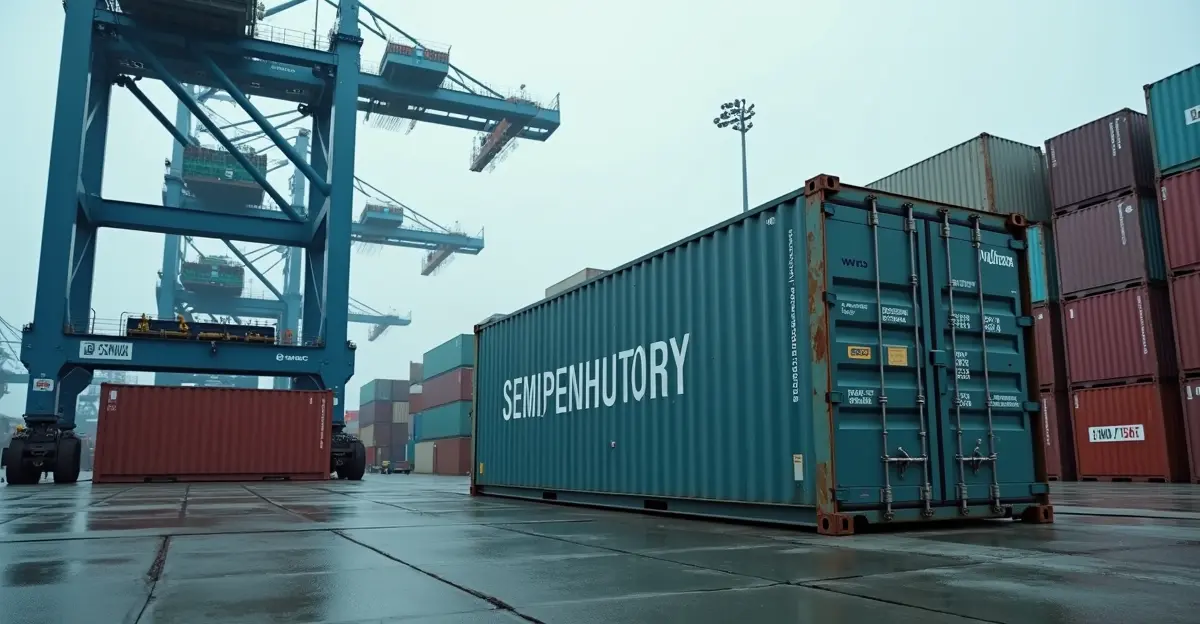
In a stunning reversal of conventional economic wisdom, global trade in 2026 has defied predictions of retrenchment and fragmentation, instead experiencing unprecedented growth driven by artificial intelligence infrastructure. According to McKinsey's 2026 Global Institute update, AI-related goods—particularly semiconductors and data-center equipment—now account for one-third of global trade growth, creating a new economic geometry that is fundamentally reshaping international commerce. This transformation comes as US-China trade has fallen by 30% due to persistent tariffs and geopolitical tensions, highlighting how technological demand is creating new trade corridors that bypass traditional geopolitical fault lines.
What is the AI Trade Realignment?
The AI trade realignment represents a fundamental shift in global commerce patterns where demand for artificial intelligence infrastructure has become the primary engine of international trade growth. Unlike previous technology cycles that primarily affected consumer electronics, the current AI boom is driving massive investment in specialized hardware including high-bandwidth memory (HBM), AI accelerators, data-center servers, and networking equipment. This demand surge has created what McKinsey researchers describe as a 'structural reallocation' of manufacturing capacity toward high-margin AI products, fundamentally altering global supply chains and trade relationships.
The Semiconductor Supply Chain Transformation
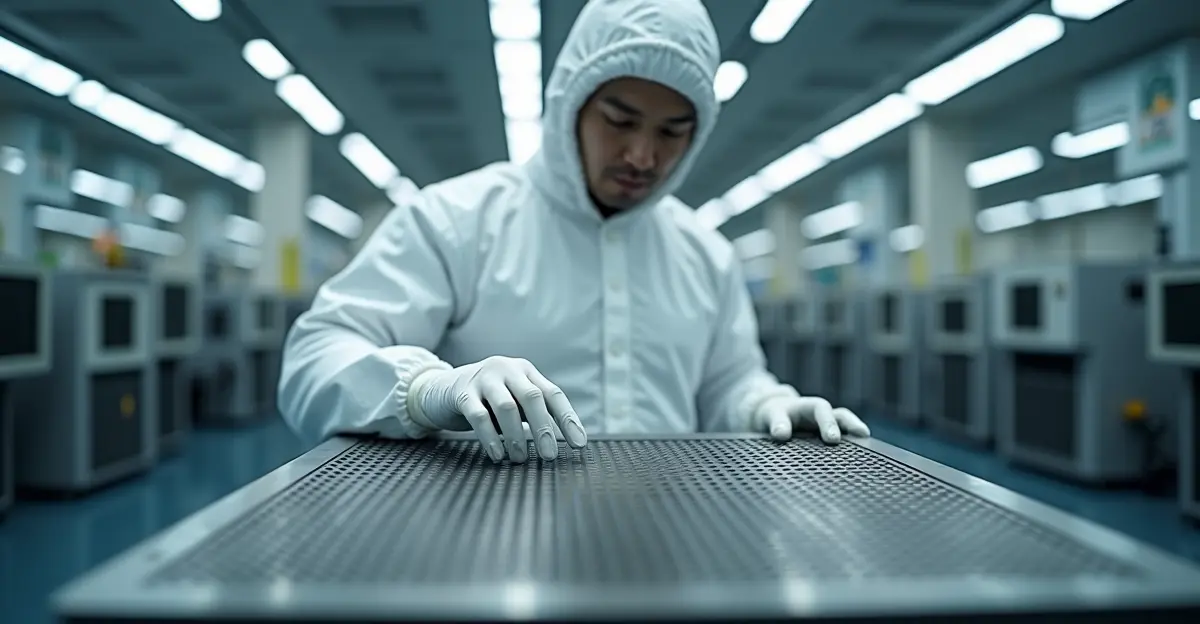
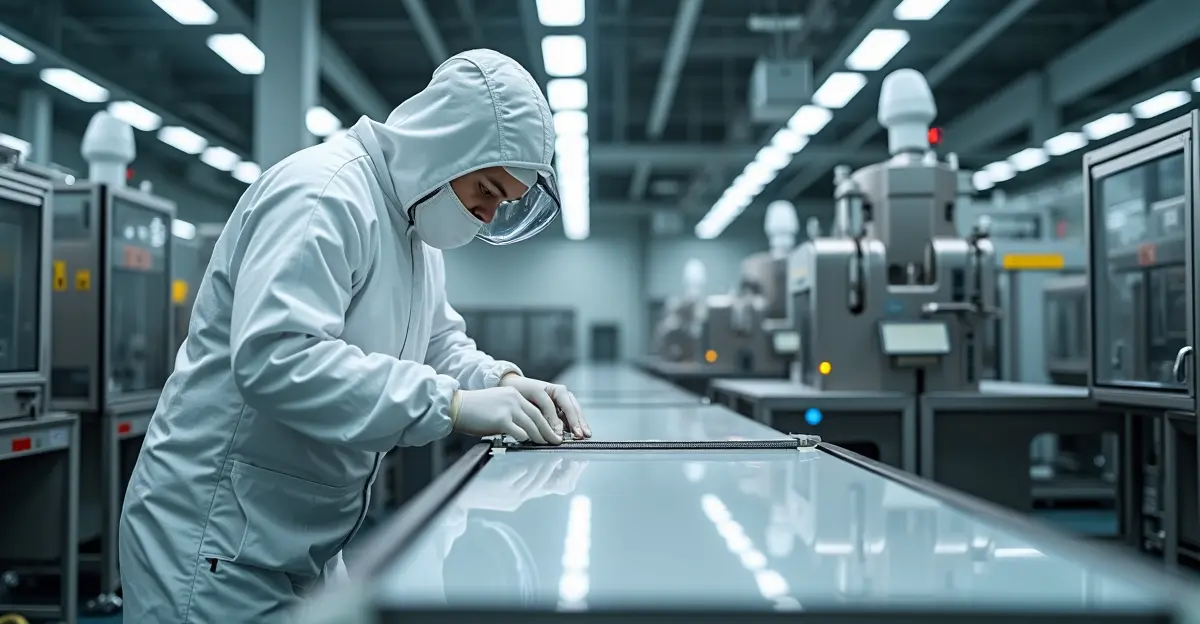
The global memory supply shortage that began in 2024 has evolved into a comprehensive semiconductor realignment. Major manufacturers like Samsung Electronics, SK Hynix, and Micron Technology have strategically redirected production toward specialized AI components, creating scarcity in conventional memory markets while driving unprecedented growth in AI infrastructure trade. According to industry analysis, HBM manufacturing requires significantly more wafer capacity per bit than standard DRAM modules, creating a production displacement effect that is reshaping global semiconductor trade patterns.
China's Evolution: Factory to the Factories
China has undergone a remarkable transformation in this new trade landscape, evolving from a consumer goods manufacturing hub into what analysts call a 'factory to the factories.' Chinese manufacturers are increasingly focused on producing the specialized equipment and components needed for AI infrastructure worldwide, positioning the country as a critical node in the global AI supply chain despite reduced direct trade with the United States. This strategic pivot reflects broader shifts in the global manufacturing landscape as companies navigate complex geopolitical realities.
Southeast Asia's Manufacturing Expansion
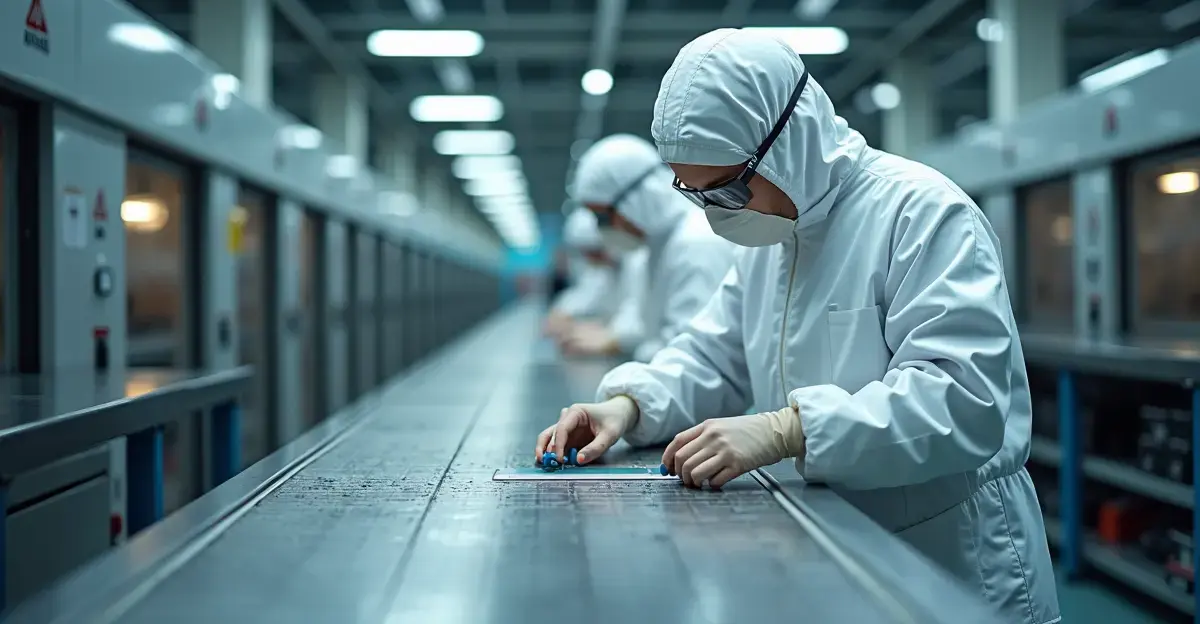
Southeast Asian nations have emerged as major beneficiaries of the AI trade realignment, with countries like Vietnam, Malaysia, and Thailand experiencing significant manufacturing expansion. These nations have positioned themselves as alternative production hubs for AI-related components, attracting investment from multinational corporations seeking to diversify their supply chains away from geopolitical hotspots. The region's strategic location and growing technical capabilities have made it a crucial link in the new AI-driven trade architecture.
India's Sectoral Gains and Strategic Positioning
India has achieved notable sectoral gains in the AI trade landscape, particularly in software development, chip design, and specialized manufacturing. The country's combination of technical talent, improving infrastructure, and strategic trade relationships has positioned it as a key player in the global AI ecosystem. Indian companies are increasingly involved in designing AI chips and developing the software frameworks that run on specialized hardware, creating new export opportunities that complement traditional service exports.
Strategic Implications for Global Companies
Companies navigating this new trade geometry are combining long-term strategic thinking with operational agility. According to McKinsey's analysis, successful firms are developing dual strategies that account for both geopolitical realities and technological imperatives. This includes establishing diversified supply chains, investing in specialized manufacturing capabilities, and forming strategic partnerships that transcend traditional trade blocs. The emerging multipolar trade system requires companies to be simultaneously global in outlook and local in execution.
Operational Agility in Uncertain Times
The most successful companies in this new environment are those demonstrating exceptional operational agility. This includes flexible manufacturing systems that can quickly adapt to changing component availability, sophisticated logistics networks that can navigate complex trade regulations, and strategic inventory management that balances just-in-time efficiency with supply chain resilience. Companies are increasingly adopting technologies like predictive analytics and digital twins to optimize their operations in this volatile trade environment.
The Future of AI-Driven Trade
Looking ahead, the AI trade realignment shows no signs of slowing. McKinsey projects that global demand for AI-ready data center capacity will grow at approximately 33% annually through 2030, with AI workloads consuming roughly 70% of total data center capacity by the decade's end. This sustained demand will continue to drive trade in specialized components and create new opportunities for countries and companies that can position themselves effectively in the evolving global technology ecosystem.
Expert Perspectives on the Trade Transformation
Industry analysts emphasize that the current transformation represents more than just a cyclical shift. 'What we're witnessing is a fundamental reordering of global trade priorities,' notes a senior McKinsey partner specializing in technology and trade. 'AI infrastructure has become the new oil—a critical resource that every economy needs, creating new dependencies and opportunities that transcend traditional geopolitical alignments.' This perspective is echoed by trade economists who point to the emergence of what they call 'technological sovereignty' as a key driver of national trade policies.
FAQ: Understanding the AI Trade Realignment
What percentage of global trade growth comes from AI-related goods?
According to McKinsey's 2026 Global Institute update, AI-related goods account for approximately one-third of global trade growth, making them the single largest driver of international commerce expansion.
How much has US-China trade declined due to tariffs?
US-China trade has fallen by 30% as a result of persistent tariffs and geopolitical tensions, creating space for new trade patterns centered on AI infrastructure and components.
What is China's new role in the global AI supply chain?
China has evolved into a 'factory to the factories,' focusing on producing specialized equipment and components needed for AI infrastructure worldwide, positioning itself as a critical node in the global supply chain despite reduced direct trade with the US.
Which regions are benefiting most from the AI trade realignment?
Southeast Asia and India are experiencing significant gains, with Southeast Asian nations expanding their manufacturing capabilities and India achieving sectoral advances in chip design, software development, and specialized production.
How are companies adapting to the new trade geometry?
Successful companies are combining long-term strategic thinking with operational agility, establishing diversified supply chains, investing in specialized capabilities, and forming strategic partnerships that transcend traditional trade blocs.
Conclusion: Navigating the New Trade Landscape
The AI-driven trade realignment represents one of the most significant economic transformations of the decade. As semiconductors and data-center equipment become the new currency of global commerce, countries and companies must adapt to a world where technological capability increasingly determines trade advantage. The future of international economics will be shaped by those who can effectively navigate this complex landscape, balancing geopolitical realities with technological imperatives in an increasingly interconnected but fragmented world.

Follow Discussion