


 Deutsch
 English
 Español
 Français
 Nederlands
 Português


 Share
Share




KC-135 Crash Explained: 6 US Airmen Killed in Iraq During Operation Epic Fury
Six U.S. airmen were killed on March 12, 2026, when a U.S. Air Force KC-135 Stratotanker refueling aircraft crashed during combat operations in western Iraq, marking the fourth U.S. aircraft lost this month amid escalating tensions in the Middle East. The tragic incident occurred during Operation Epic Fury, the ongoing U.S. military campaign against Iran, and brings the total U.S. service member deaths in the conflict to 13 since February 28.
What Happened: The KC-135 Crash Details
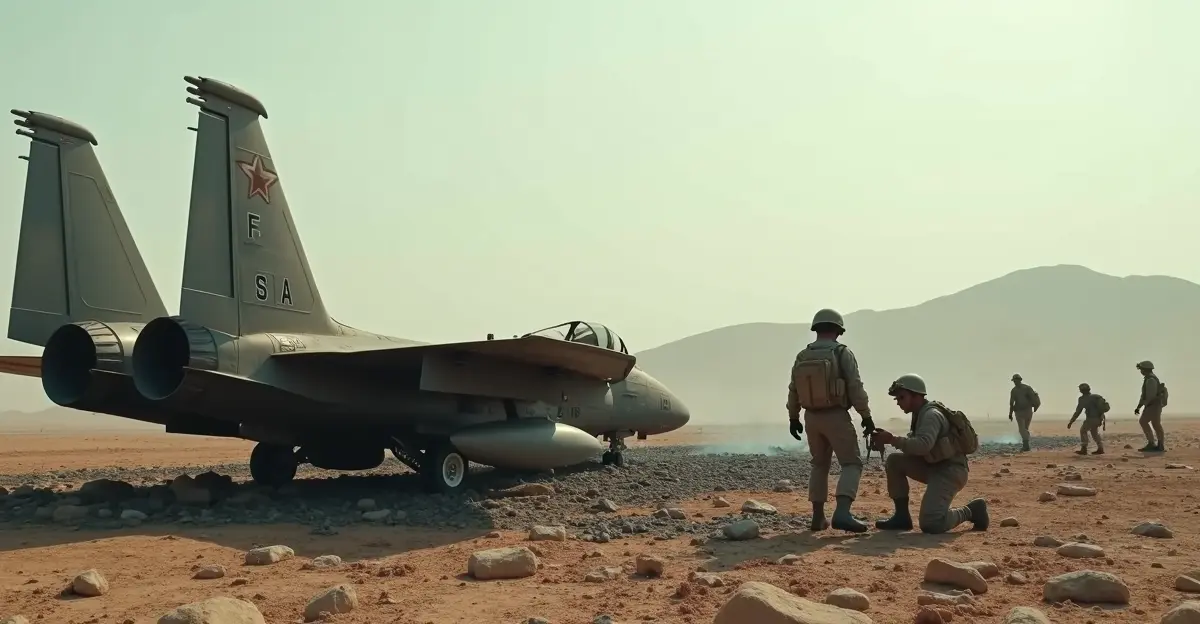
According to U.S. Central Command (CENTCOM), the KC-135 Stratotanker went down near Turaibil along the Iraqi-Jordanian border while conducting aerial refueling operations. All six crew members aboard the aircraft perished in the crash. A second KC-135 was involved in the same incident but managed to land safely at Ben Gurion Airport near Tel Aviv, Israel, with visible damage to its tail section.
U.S. military officials have confirmed that the crash was 'not the result of friendly fire or a shooting by the enemy', according to CENTCOM's official statement on social media. The incident is currently under investigation, with initial reports suggesting the possibility of a mid-air collision between the two tanker aircraft.
What is a KC-135 Stratotanker?
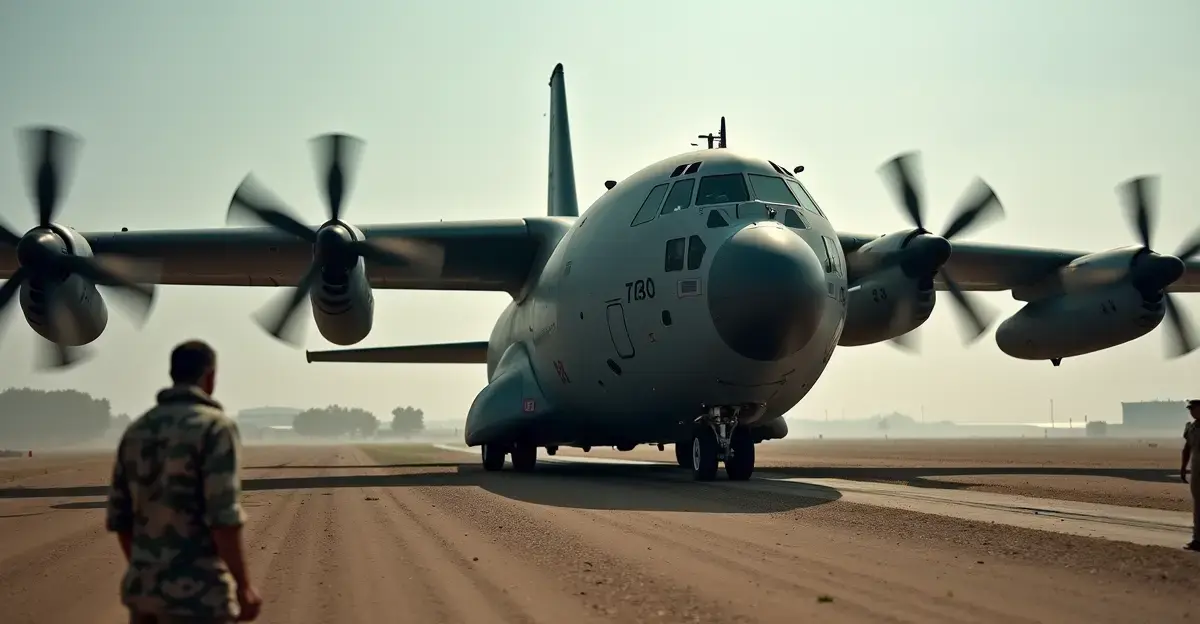
The KC-135 Stratotanker is an American military aerial refueling tanker aircraft that has served as the backbone of U.S. Air Force refueling operations since 1957. Often called the 'backbone of the American air force', this aircraft can refuel other planes mid-air, allowing combat aircraft to conduct missions far from secure airfields. The U.S. operates approximately 300 of these aircraft, though the fleet faces significant aging concerns.
Aging Fleet Concerns
The KC-135 fleet represents one of the oldest active military aircraft in the U.S. arsenal, with the last aircraft delivered in the 1960s. Despite regular modernization efforts, maintenance costs have skyrocketed, and reliability concerns have grown. This crash comes amid broader concerns about U.S. military aircraft maintenance backlogs that have plagued multiple service branches.
Key KC-135 Statistics:
- First entered service: 1957
- Number in U.S. fleet: Approximately 300
- Average age: Over 60 years
- Primary mission: Aerial refueling of bombers and fighters
- Replacement aircraft: Boeing KC-46 Pegasus
Operation Epic Fury: The Broader Conflict Context
The crash occurred during Operation Epic Fury, the major U.S. military campaign launched in March 2026 with four primary objectives: destroying Iran's ballistic missile capabilities, annihilating the Iranian navy, severing Iran's support for terrorist proxies, and ensuring Iran never acquires nuclear weapons.
The conflict has seen significant casualties on all sides. According to the latest reports:
| Country/Group | Reported Deaths | Wounded |
|---|---|---|
| United States | 13 | 140 |
| Israel | 12 | Unknown |
| Iran | 1,300+ | Unknown |
| Lebanon (Hezbollah) | 687 | Unknown |
The conflict began nearly two weeks ago when U.S. and Israeli attacks killed Iranian Supreme Leader Ayatollah Khamenei, triggering a regional escalation that has drawn in multiple Gulf states and militant groups.
Regional Reactions and Claims
Islamic Resistance in Iraq, an umbrella group of pro-Iranian militias, has claimed responsibility for shooting down the American aircraft. However, the group has provided no evidence to support this claim, and U.S. officials have explicitly stated the crash was not caused by enemy fire.
The incident highlights the complex Middle East conflict dynamics involving multiple state and non-state actors. Hezbollah, Iran's Lebanese ally, began attacks on Israel following Khamenei's death, contributing to the regional instability that now sees daily clashes across multiple fronts.
Investigation and Implications
The U.S. military has launched a full investigation into the crash, which will examine multiple factors including potential mechanical failure, pilot error, or environmental conditions. Given the aircraft's age and the high operational tempo of current missions, maintenance and fatigue factors will likely receive significant scrutiny.
This incident raises serious questions about the sustainability of operating 60-year-old aircraft in combat conditions. While the KC-135 has been remarkably durable, experts have warned for years about the aging U.S. military equipment challenges that could impact mission readiness and safety.
Frequently Asked Questions (FAQ)
How many KC-135 crashes have occurred recently?
This is the fourth publicly acknowledged U.S. aircraft incident connected to Operation Epic Fury in March 2026 alone.
What is Operation Epic Fury?
Operation Epic Fury is the U.S. military campaign against Iran launched in March 2026 with objectives including destroying Iran's missile capabilities and preventing nuclear weapons development.
How old are KC-135 aircraft?
The KC-135 fleet averages over 60 years old, with the last aircraft delivered in the 1960s, making them some of the oldest active military aircraft in the world.
What happens to aerial refueling operations after this crash?
The U.S. Air Force will likely redistribute refueling missions among remaining KC-135s and utilize other tanker assets like the KC-10 Extender and newer KC-46 Pegasus.
How does this affect the broader Middle East conflict?
The loss of critical refueling capability could temporarily limit the range and endurance of U.S. combat aircraft in the region, potentially affecting ongoing operations.

Follow Discussion