


 Deutsch
 English
 Español
 Français
 Nederlands
 Português


 Share
Share




Germany is at risk of being drawn into a violent conflict with Russia, the head of the Bundesnachrichtendienst (BND) warned lawmakers in Berlin on Monday. Speaking at the Bundestag’s annual intelligence hearing on 5 October 2026, BND President Martin Jäger said Moscow now regards Germany as its “main enemy” because of Berlin’s military support for Ukraine and its deployments in the Baltic states.
What Is Behind the BND’s Russia Warning?
The warning marks a sharp escalation in official German rhetoric. Jäger told the parliamentary oversight body: “We are not seeking this confrontation; Russia is forcing us into it. They see us as their main enemy.” As the largest military backer of Ukraine and a key NATO presence in the Baltic states, Germany has become a direct target for Russian operations, he said.
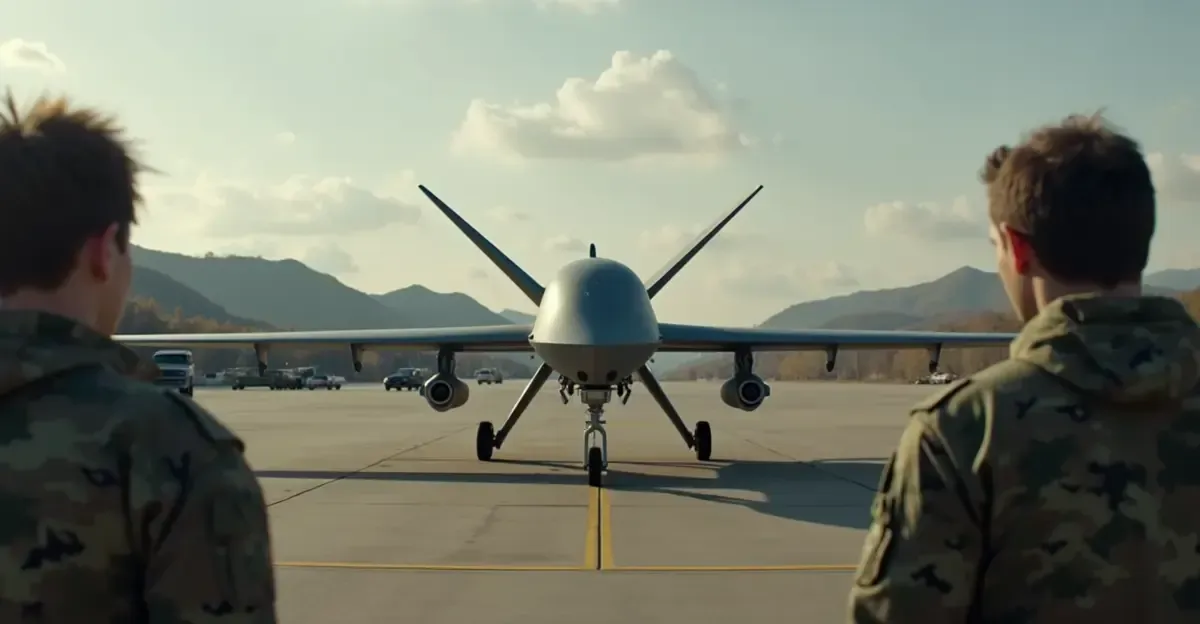
The failed drone attack on Leipzig Airport in August 2026, in which explosives-laden drones were meant to destroy a transport aircraft, is cited as one concrete example. The BND now expects further sabotage of military transport and even assassination attempts. “The Russian services operate professionally and ruthlessly,” Jäger warned.
How Russia Is Waging a Shadow War Against Germany
Jäger described a coordinated campaign of hybrid warfare that has intensified since the summer, combining attacks on Ukraine with actions against European allies. The aim, he said, is to erode German public support for Ukraine and weaken NATO cohesion.
Key Incidents Attributed to Russian Services
- Attempted drone strike on Leipzig Airport targeting a military transport plane
- Arson at a defense company in Munich
- Discovery of a weapons cache near Berlin
- Repeated drone incursions over critical infrastructure
Martina Rosenberg, head of the Military Counterintelligence Service (MAD), said such operations are designed to “undermine citizens’ trust in the state’s ability to defend itself,” ultimately fueling social division. The failed Leipzig airport drone attack appears to have been a turning point in how seriously German authorities treat the threat.
Political Pressure and Eroding Support for Ukraine
The Russian strategy is working in part. Polls show four in ten Germans now believe weapons support for Ukraine goes too far, with opposition strongest in eastern Germany. The far-right AfD and left-populist Die Linke, both critical of military aid, made significant gains in recent state elections. Saxon state premier Michael Kretschmer of the centre-right CDU recently called the arms deliveries an “enormous mistake,” arguing that Germany had made itself part of a war that is “not our war.”
Jäger warned that such hesitation emboldens Moscow. “Every sign of hesitation encourages Russia to increase the pressure on us,” he said, predicting more frequent nuclear threats against Germany. While he said there is no acute danger of all-out war, he described small-scale military action in the Baltic states as realistic, including a “little green men” scenario similar to the 2014 annexation of Crimea.
What This Means for Germany and NATO
Chancellor Friedrich Merz has made support for Ukraine a central priority. During a visit to Kyiv last weekend, Merz announced a new aid package, bringing Berlin’s pledges for 2026 to €11.5 billion. The Bundestag is also set to vote on a reform that would give German intelligence services new powers to conduct defensive operations abroad, including cyberattacks and sabotage of weapons companies.
The escalating confrontation with Russia reflects broader European security threats that have forced NATO members to reassess their defence posture. For Germany, the challenge is to maintain public support for Ukraine while preparing for a long-term hybrid conflict that stops short of conventional war.
FAQ
Is Germany at risk of war with Russia?
Germany’s BND chief Martin Jäger warned that the country risks being drawn into a violent conflict with Russia, though he said there is currently no acute danger of a large-scale conventional attack on NATO territory.
What did the BND chief say about Russia?
Jäger said Russia sees Germany as its “main enemy,” operates “professionally and ruthlessly,” and is waging a shadow war of sabotage, drone incursions, and nuclear threats to break German support for Ukraine.
What is the Leipzig airport attack?
In August 2026, explosives-laden drones were used in an attempted attack on Leipzig Airport to destroy a military transport plane. It is cited as a turning point in Germany’s assessment of Russian threats.
How are Germans reacting to Russia’s threats?
Four in ten Germans now believe weapons support for Ukraine goes too far. Support is eroding fastest in eastern Germany, where parties critical of aid such as AfD and Die Linke have gained ground.
What is the “little green men” scenario?
It refers to unmarked soldiers appearing in a territory to occupy it, as happened in Crimea in 2014. The BND considers such low-level military action in the Baltic states realistic.

Follow Discussion