


 Deutsch
 English
 Español
 Français
 Nederlands
 Português


 Share
Share




What Are the Baltic Drone Incidents?
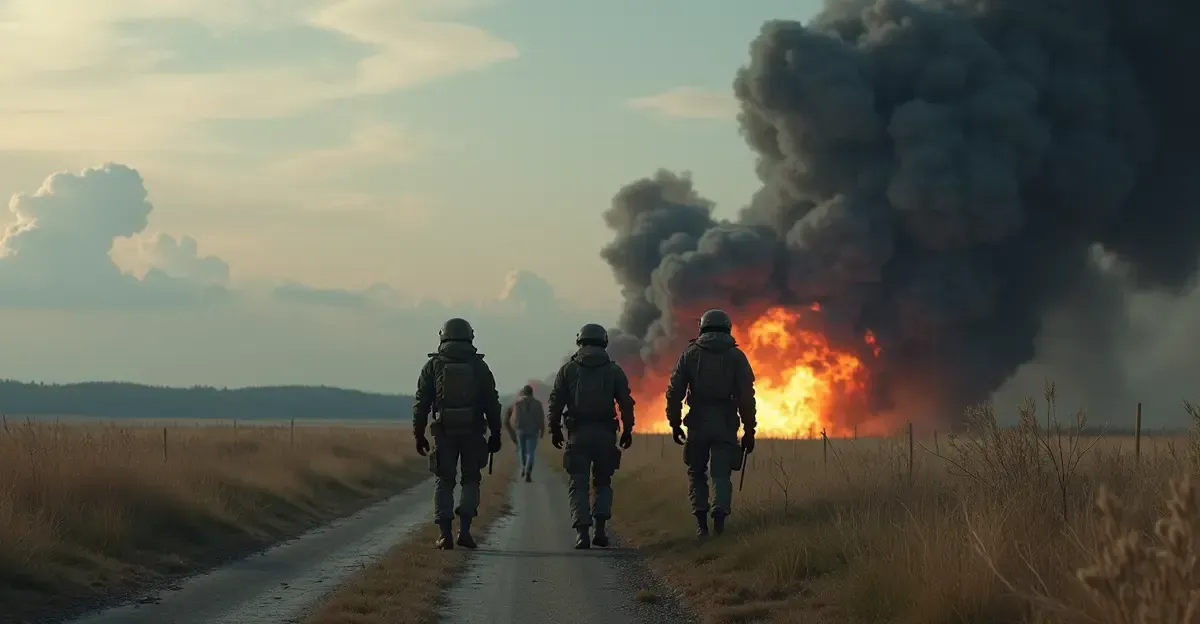
In a significant escalation of the ongoing Russia-Ukraine conflict, Baltic nations Estonia and Latvia reported multiple drone incidents on March 25, 2026, marking day 1491 of the war. These events represent a dangerous expansion of the conflict into NATO territory, with drones potentially originating from both Russian and Ukrainian airspace. The incidents occurred as the Russia-Ukraine drone warfare intensifies, raising serious concerns about regional security and the potential for broader conflict.
Detailed Incident Reports from Estonia and Latvia
According to official reports, a drone crashed into a chimney at an energy power plant in northwestern Estonia. Authorities confirmed the drone entered from Russian airspace, with the crash site located just 2 kilometers from the Russian border. No casualties were reported, but the incident caused significant concern among Estonian defense officials. Earlier on the same day, Latvia reported a downed drone near its border with Russia, with preliminary assessments suggesting it may have originated from Ukrainian territory.
Geopolitical Context and NATO Implications
The Baltic states—Estonia, Latvia, and Lithuania—are all NATO members, making any violation of their airspace a matter of collective defense under Article 5 of the NATO treaty. These incidents come at a time when NATO Baltic defense strategies are being tested by increased Russian military activity in the region. The proximity of these events to Russian territory suggests either deliberate testing of NATO responses or accidental spillover from the Ukraine conflict zone.
Broader Regional Developments on March 25, 2026
The Baltic drone incidents occurred alongside several other significant developments in the Russia-Ukraine war:
Russian Energy Infrastructure Attacks
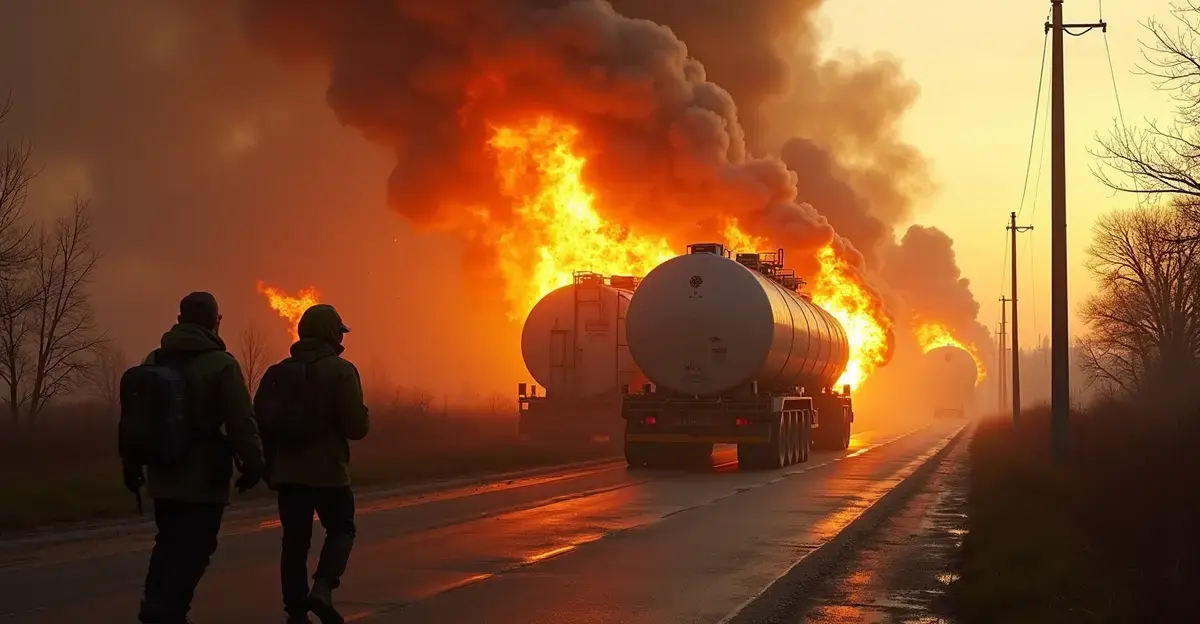
Ukrainian drones targeted the Ust-Luga oil terminal in Russia's Leningrad region, causing significant fires and disrupting operations. Russian authorities claimed to have shot down 56 drones in the region, while the attack also temporarily suspended operations at Pulkovo Airport in St. Petersburg. This represents a continuation of Ukraine's strategy to target Russian energy infrastructure, similar to previous attacks on Russian oil refineries and ports.
Humanitarian Impact in Ukraine
Nearly 150,000 Ukrainians were left without electricity following Russian attacks on energy infrastructure near Chernihiv. In southern Ukraine's Odesa region, one person was killed and another injured when a residential building was struck. These attacks demonstrate the ongoing humanitarian toll of the conflict, now entering its fourth year.
International Diplomatic Developments
Ukrainian President Volodymyr Zelensky revealed that Russia attempted to 'blackmail' the United States by offering to stop sharing military intelligence with Iran if Washington would cut off Ukraine from American intelligence. 'We have irrefutable evidence that Russia continues to provide information to Iran,' Zelensky stated in an interview with Reuters. He noted that some Iranian drones used against American targets in the Middle East contain Russian components.
European Political Responses and Weapons Debates
German Chancellor Friedrich Merz announced that Germany no longer sees a need to provide Ukraine with Taurus long-range missiles, citing Ukraine's own production of long-range weapons. 'These are considerably more effective than the relatively small number of Taurus cruise missiles we could have delivered,' Merz told parliamentarians. This represents a significant shift in German policy and reflects ongoing debates within European nations about weapons supplies to Ukraine.
Hungary's Controversial Stance
Hungary announced it would gradually suspend gas transport to Ukraine until oil flows resume through the damaged Druzhba pipeline. Hungarian Prime Minister Viktor Orbán continues to block a multi-billion euro EU loan to Ukraine, citing Kyiv's refusal to repair the pipeline. This position has drawn criticism from other EU members, with Finnish Prime Minister Petteri Orpo accusing Orbán of 'betraying' EU member states.
Regional Security Implications and Future Outlook
The Baltic drone incidents highlight several critical security concerns:
- NATO Airspace Violations: Any deliberate incursion into NATO territory could trigger Article 5 responses
- Conflict Spillover: The war's effects are increasingly affecting neighboring countries
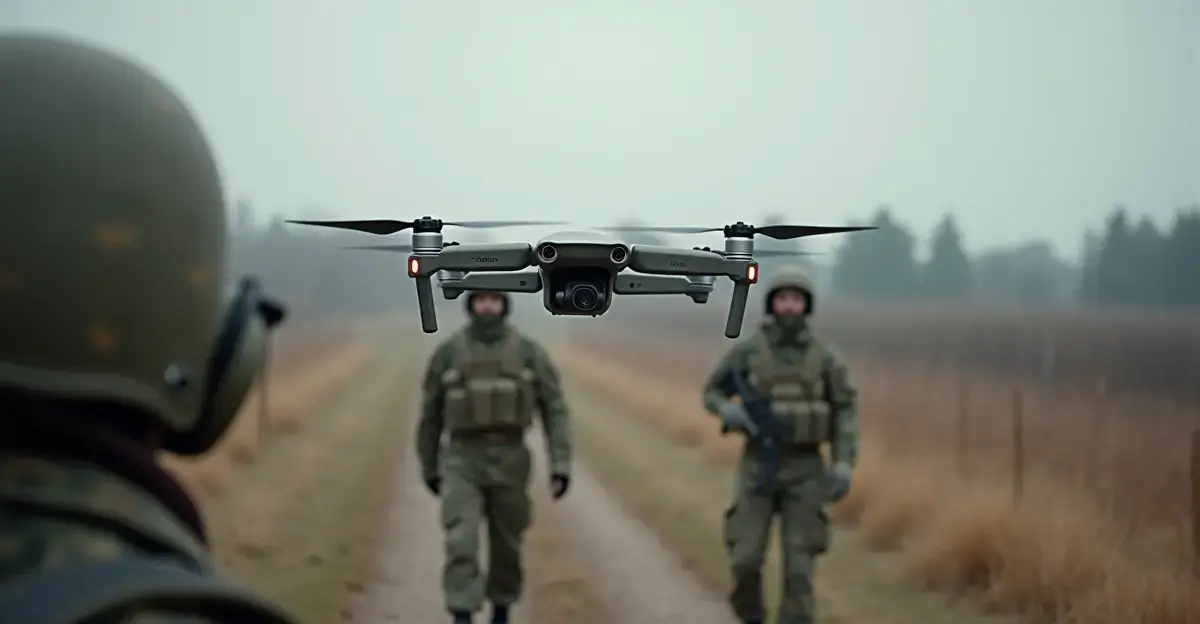
- Drone Warfare Evolution: Both Russia and Ukraine have established dedicated unmanned systems forces
- Regional Stability: The incidents increase tensions in an already volatile region
Frequently Asked Questions (FAQ)
What happened in the Baltic drone incidents?
On March 25, 2026, drones crashed in Estonia and Latvia, with one confirmed to have entered from Russian airspace and another possibly from Ukraine.
Why are these incidents significant?
They represent potential violations of NATO airspace and could trigger collective defense responses under Article 5 of the NATO treaty.
How does this relate to the broader Russia-Ukraine war?
The incidents suggest either deliberate testing of NATO defenses or accidental spillover from the intense drone warfare occurring in Ukraine.
What is the current status of drone warfare in the conflict?
Both Russia and Ukraine have established dedicated unmanned systems forces, and drone attacks have become a decisive factor in the conflict.
How have European countries responded?
Responses vary, with Germany reconsidering weapons supplies and Hungary blocking EU aid to Ukraine over pipeline disputes.
Sources
This article is based on reporting from BNR Nieuwsradio, Reuters, Associated Press, and official statements from Estonian and Latvian authorities. Additional context comes from analysis of European security developments and regional defense reports.


Follow Discussion