
 Deutsch
 English
 Español
 Français
 Nederlands
 Português







What is the Cuba Power Crisis?
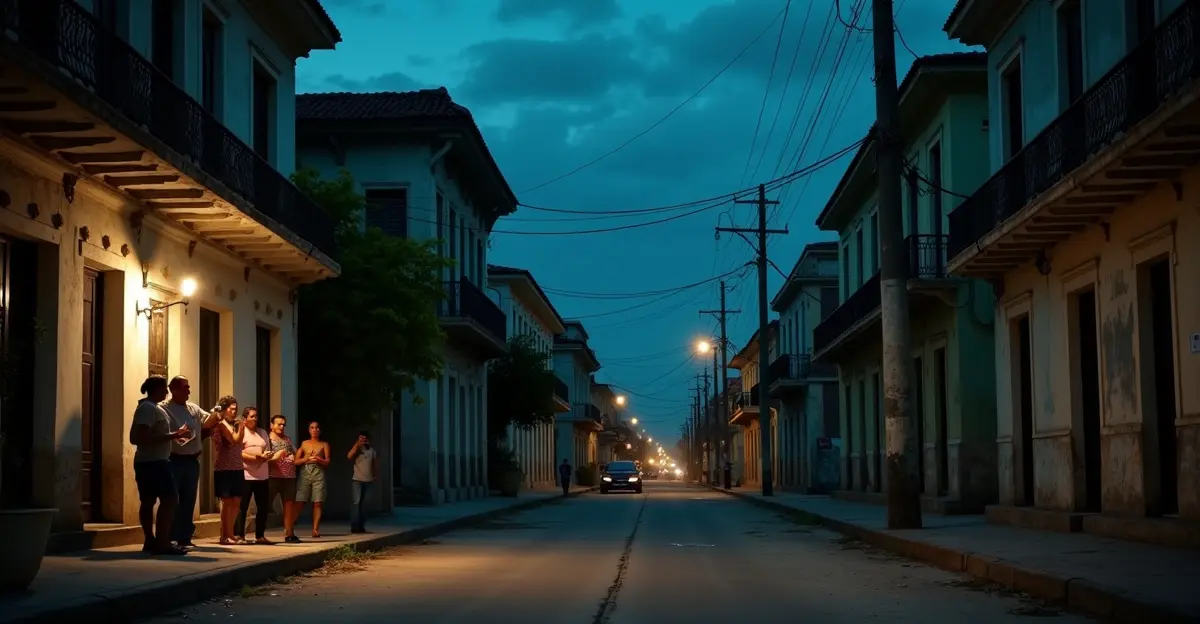
Cuba is experiencing its second nationwide blackout in less than a week, plunging all 11 million residents into darkness and marking the third major power failure in March 2026 alone. The Cuban energy crisis has reached critical levels as the country's aging electrical infrastructure collapses under the weight of fuel shortages, US sanctions, and decades of underinvestment. According to Cuban Energy Minister Vicente de la O, a 'complete disconnection' of the national power system occurred after a generating unit failure at the Nuevitas thermoelectric plant in Camaguey province triggered a cascading effect across the entire grid.
Background: A Perfect Storm of Challenges
Cuba's current energy crisis represents the convergence of multiple long-standing problems. The island nation has struggled with an aging power infrastructure for decades, with many thermoelectric plants dating back to the Soviet era. The US embargo against Cuba has prevented access to replacement parts and modern technology, while recent developments have dramatically worsened the situation. In January 2026, Venezuela—Cuba's primary oil supplier—ceased shipments after President Nicolás Maduro was captured in a US military operation, cutting off approximately 60% of Cuba's fuel supply overnight.
The Fuel Shortage Catastrophe
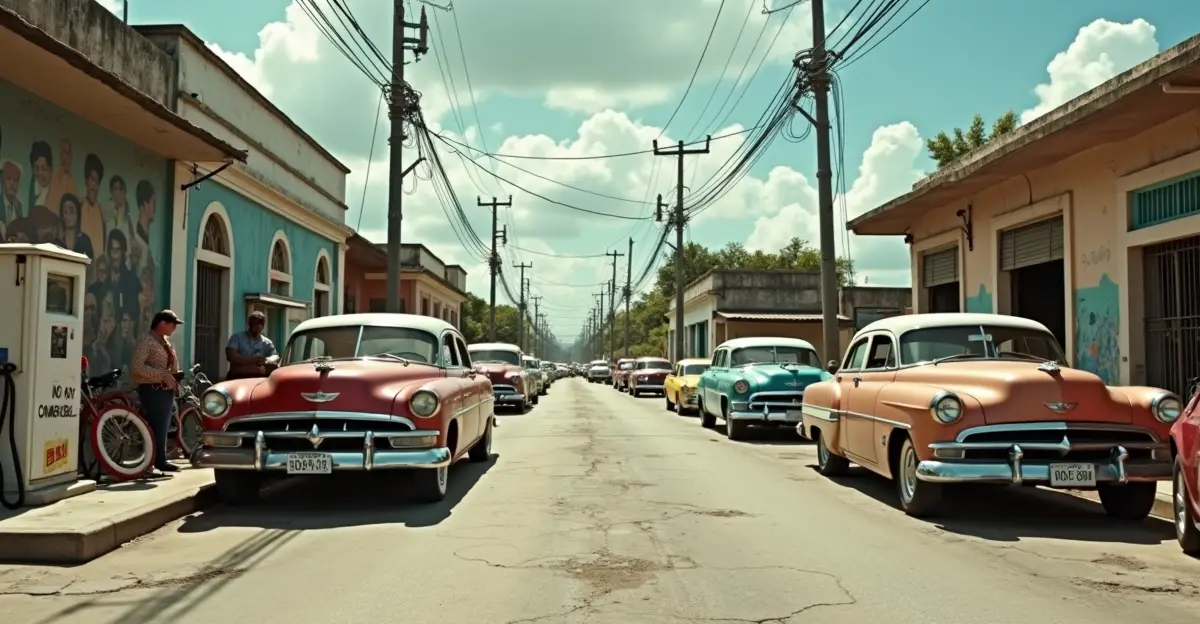
The current crisis stems primarily from a catastrophic fuel shortage. Cuba requires approximately 130,000 barrels of oil daily to maintain basic operations, but current supplies have fallen to less than 40% of that amount. The US Treasury Department has explicitly prohibited Cuba from receiving Russian crude oil, adding the country to a sanctions list that blocks transactions involving Russian petroleum products. This warning came as two tankers carrying Russian oil were reportedly heading toward Havana, but one vessel changed course under US pressure.
Infrastructure Collapse
Cuba's power grid relies on eight aging thermoelectric plants, most of which operate at less than 50% capacity due to maintenance issues. The Antonio Guiteras Power Plant in Matanzas—the country's largest—frequently breaks down and requires constant repairs. 'We're working under extremely difficult conditions to restore power,' said Prime Minister Manuel Marrero Cruz in a televised address. 'The fuel shortages combined with our aging infrastructure have created an unprecedented challenge.'
Impact on Daily Life and Essential Services
Healthcare System Under Strain
Hospitals across Cuba have been forced to implement emergency protocols, with most medical facilities operating on backup generators that can only sustain critical care for limited periods. According to health officials, tens of thousands of non-emergency surgeries have been postponed, and medication refrigeration has become a major concern. While some hospitals have reportedly restored power through emergency solutions, the situation remains precarious.
Food and Water Distribution Crisis
The blackouts have created a cascading humanitarian crisis affecting basic necessities:
- Food Distribution: Without fuel for transportation trucks, food distribution networks have collapsed, leading to empty shelves in government stores
- Water Supply: Municipal water systems require electricity for pumping, leaving many neighborhoods without running water
- Food Spoilage: With refrigeration impossible, families are losing their limited food supplies to spoilage
- Public Transportation: Buses and trains have stopped running, isolating communities and preventing workers from reaching jobs
Economic Consequences
The tourism sector—Cuba's third-largest source of foreign currency—has been devastated by the power crisis. Hotels in Havana and Varadero are operating with limited services, while restaurants and businesses face daily closures. The economic impact extends to manufacturing and agriculture, with production facilities unable to operate without reliable power.
International Response and Geopolitical Implications
The crisis has significant geopolitical dimensions, with Russia and China expressing support for Cuba while the US maintains pressure. Mexico has sent several ships with humanitarian aid, but these contain no fuel due to US pressure. The situation represents what analysts call the 2026 Cuban crisis, with potential implications for regional stability and migration patterns toward Florida.
FAQ: Cuba Power Crisis Questions Answered
What caused Cuba's nationwide blackout?
The blackout was caused by a generating unit failure at the Nuevitas thermoelectric plant, which triggered a cascading collapse across Cuba's entire national power grid due to the interconnected nature of the aging system.
How long will the power outages last?
While partial restoration has begun in some areas, Cuban officials warn that rolling blackouts of 12-15 hours daily will continue indefinitely until fuel supplies improve and infrastructure repairs are completed.
Why can't Cuba get fuel from other countries?
The US has implemented an oil blockade against Cuba, threatening sanctions against any country or company that sells petroleum products to the island nation, effectively isolating Cuba from international energy markets.
How are hospitals coping with the blackouts?
Most hospitals are operating on backup generators for critical care only, with non-emergency services suspended. Some facilities have implemented emergency power solutions, but the situation remains unstable.
What is the US position on the crisis?
The US maintains that Cuba must release 51 political prisoners and implement democratic reforms before sanctions can be lifted, viewing the energy crisis as leverage for political change.
Sources
Al Jazeera: Cuba Hit by Second Nationwide Blackout
CNBC: Cuba Fuel Crisis and Russian Oil
Wikipedia: 2026 Cuban Crisis
AP News: Cuba Second Blackout


Follow Discussion