


 Deutsch
 English
 Español
 Français
 Nederlands
 Português


 Share
Share




Cuba Power Crisis Explained: Major Blackout Leaves Millions Without Electricity for Days
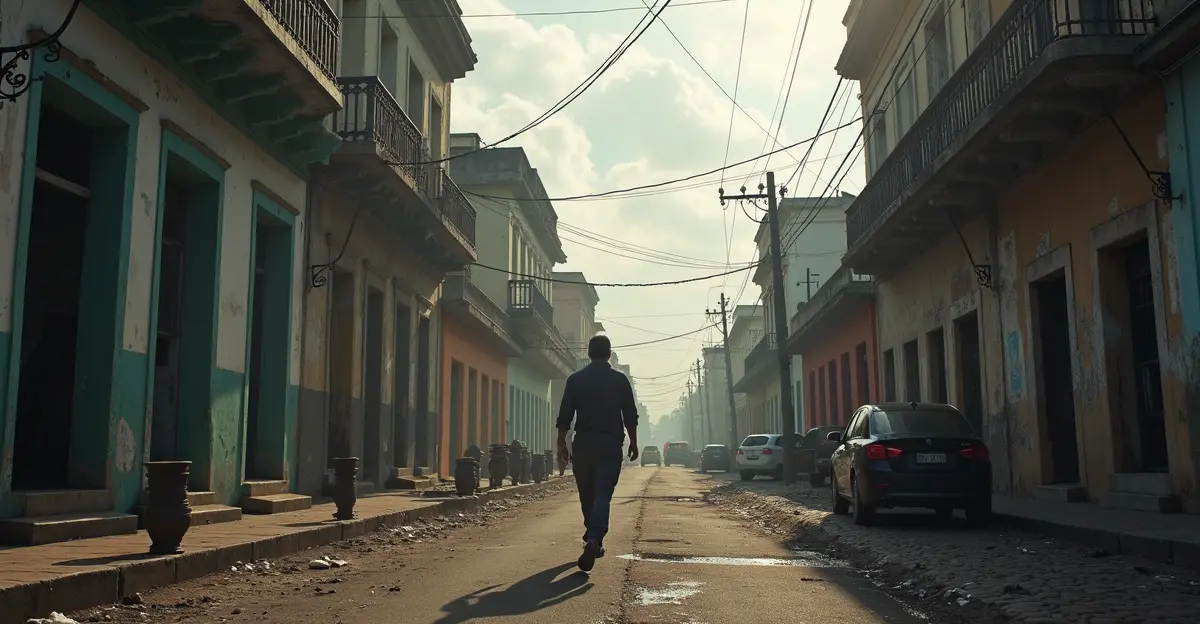
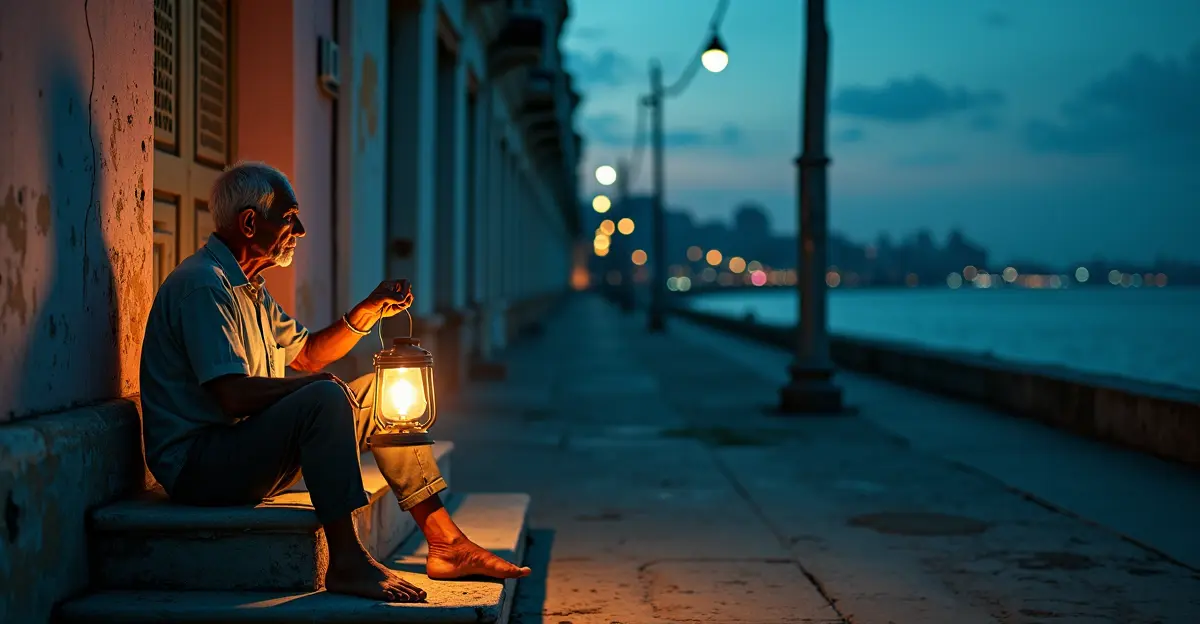
Millions of Cubans are facing days without electricity as a massive power outage has plunged much of the island into darkness, marking the latest chapter in Cuba's ongoing energy crisis. The blackout, which began on March 4, 2026, affects approximately two-thirds of the country's population - nearly 7 million people - and stretches from Pinar del Rio in the west to Camaguey province in central Cuba, including the capital Havana.
What Caused the 2026 Cuba Power Blackout?
The immediate cause of the current crisis is a boiler leak at the Antonio Guiteras thermoelectric power plant, Cuba's largest electricity generator located about 100 kilometers east of Havana. The plant unexpectedly shut down at 12:41 PM on March 4, triggering a cascade failure across the national grid. This marks the first system-wide collapse of 2026, though similar outages have plagued the island for years.
'This power outage affecting two-thirds of the island possibly for days is yet another blow for Cubans, who have long been mainly focused on survival,' said Nina Jurna, correspondent for Latin America and Suriname.
Underlying Infrastructure Problems
Cuba's electricity crisis stems from decades of underinvestment and aging infrastructure. Many of the country's power plants are over 30 years old and have received minimal maintenance due to high costs and limited access to replacement parts. The US economic sanctions against Cuba have severely restricted Cuba's ability to import specialized equipment and spare parts needed for power plant maintenance and upgrades.
Aging Power Grid and Fuel Shortages
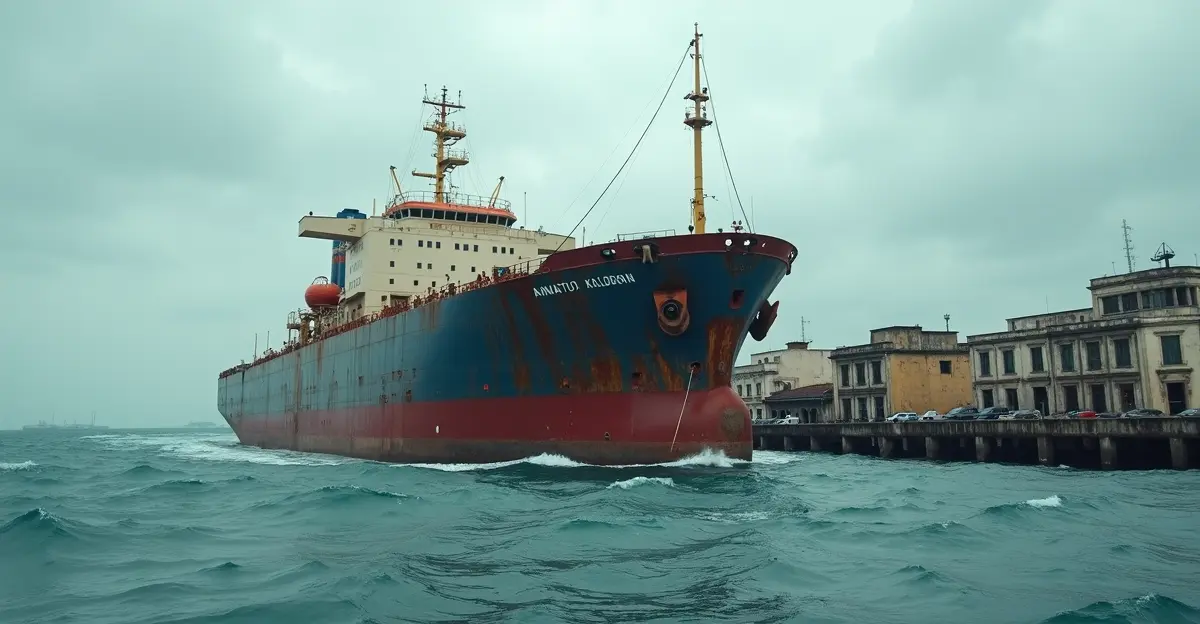
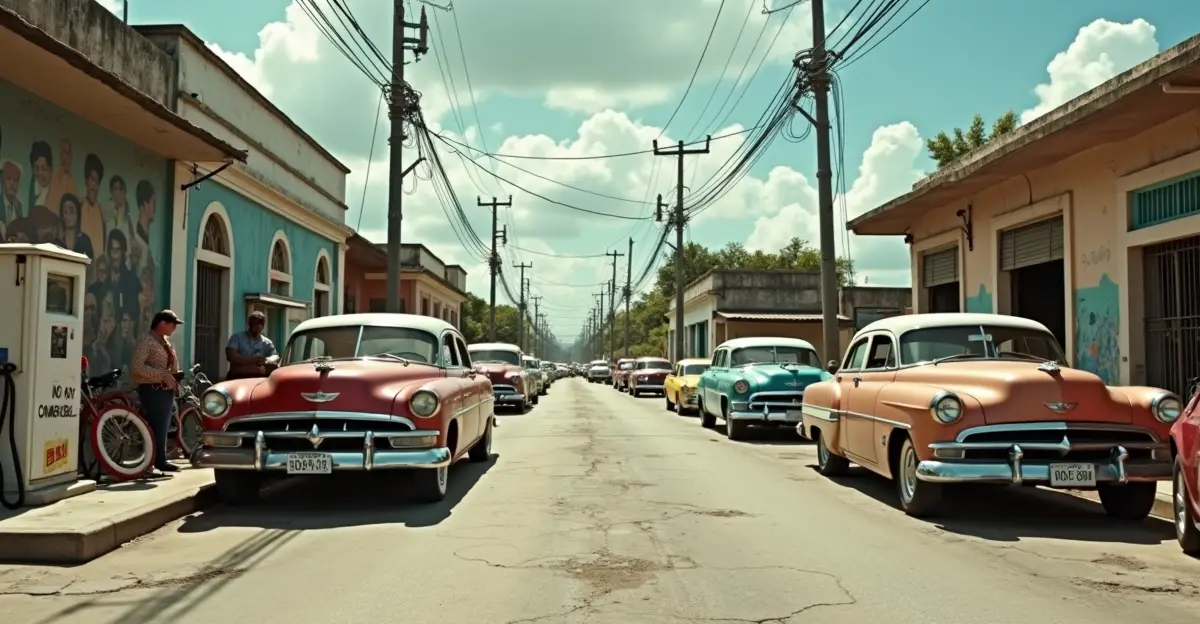
The situation has worsened significantly since January 2025 when the United States pressured Venezuela to halt oil shipments to Cuba. Venezuela had been supplying approximately half of Cuba's fuel needs. Other countries have been threatened with sanctions if they attempt to sell oil to Cuba, creating what experts describe as an 'oil chokehold' on the island.
The current outage comes at a particularly vulnerable time for Cuba's energy system. At 6:00 AM on March 4, just hours before the collapse, available power was only 1,180 MW against a demand of 2,250 MW, leaving 1,050 MW affected even before the main failure occurred.
Impact on Daily Life and Critical Services
The blackout has disrupted virtually every aspect of daily life across affected regions. While the government has prioritized restoring power to critical infrastructure like hospitals, most Cubans face uncertain timelines for electricity restoration. The outage has affected:
- Water supply systems (many rely on electric pumps)
- Food preservation and preparation
- Transportation systems
- Telecommunications and internet services
- Business operations and economic activity
A 66-year-old Cuban woman interviewed by AP expressed the growing desperation: 'My god, until when? Then we won't eat. Then we'll have to eat bread.' Her reaction highlights how power outages have become normalized, yet this extended blackout represents a new level of crisis.
Repair Timeline and Restoration Efforts
According to officials from the National Electric Company (UNE), repairs to the Antonio Guiteras plant could take 3-4 days. Plant personnel must first identify the exact nature of the boiler leak and damage before repairs can begin and the plant can be restarted. Restoration protocols have been activated, but the process is complicated by:
- Limited access to specialized repair equipment
- Scarcity of replacement parts due to sanctions
- Aging infrastructure throughout the system
- Fuel shortages affecting backup generators
Broader Context: Cuba's Energy Crisis
This blackout represents the fifth partial power failure in less than six months and follows a pattern of increasing frequency and severity. The Cuban economic crisis has been exacerbated by energy shortages that began intensifying in 2024. According to Wikipedia data, Cuba experienced nationwide blackouts in October 2024 when the Antonio Guiteras plant failed, affecting the entire country for several days.
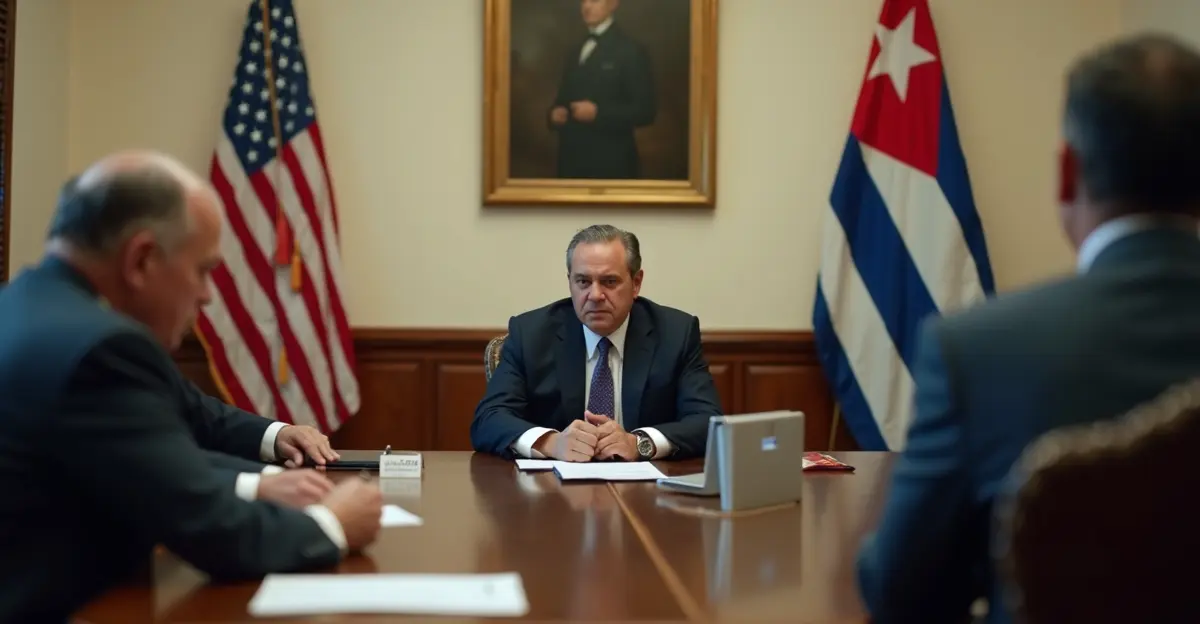
The Cuban government attributes the energy crisis to decades of U.S. sanctions that have prevented investment in power infrastructure. Prime Minister Manuel Marrero Cruz has previously cited deteriorating infrastructure, fuel shortages, and rising demand as key factors in the outages.
Long-term Solutions and Renewable Energy Transition
Facing persistent energy challenges, Cuba is accelerating its transition to renewable energy sources. The country aims to increase renewables to 26% of total energy supply by 2035, with significant Chinese investment helping to build solar parks and wind farms. Current plans include installing 92 solar parks with 2GW capacity by 2028.
Currently, renewables supply about 9% of peak daytime demand of 3,200MW. This green transition represents Cuba's strategy to reduce fossil fuel dependence while addressing vulnerability to increasingly intense hurricanes and climate impacts that further strain the energy system.
FAQ: Cuba Power Outage 2026
How long will the Cuba power outage last?
Officials estimate repairs could take 3-4 days, but complete restoration of service to all affected areas may take longer due to the scale of the outage and infrastructure limitations.
What areas are affected by the blackout?
The outage affects 10 of Cuba's 15 provinces, stretching from Pinar del Rio in the west to Camaguey in central Cuba, including Havana. Only the far eastern provinces maintained electricity.
Why does Cuba have so many power outages?
Cuba's power grid suffers from aging infrastructure (many plants over 30 years old), fuel shortages due to sanctions, limited access to replacement parts, and chronic underinvestment in the energy sector.
How many people are affected?
Approximately 7 million people - about two-thirds of Cuba's population - are without electricity due to this outage.
What is being done to prevent future outages?
Cuba is investing in renewable energy (solar and wind), seeking international partnerships for infrastructure upgrades, and implementing energy conservation measures, though progress is slowed by economic constraints and sanctions.
Follow Discussion