


 Deutsch
 English
 Español
 Français
 Nederlands
 Português


 Share
Share




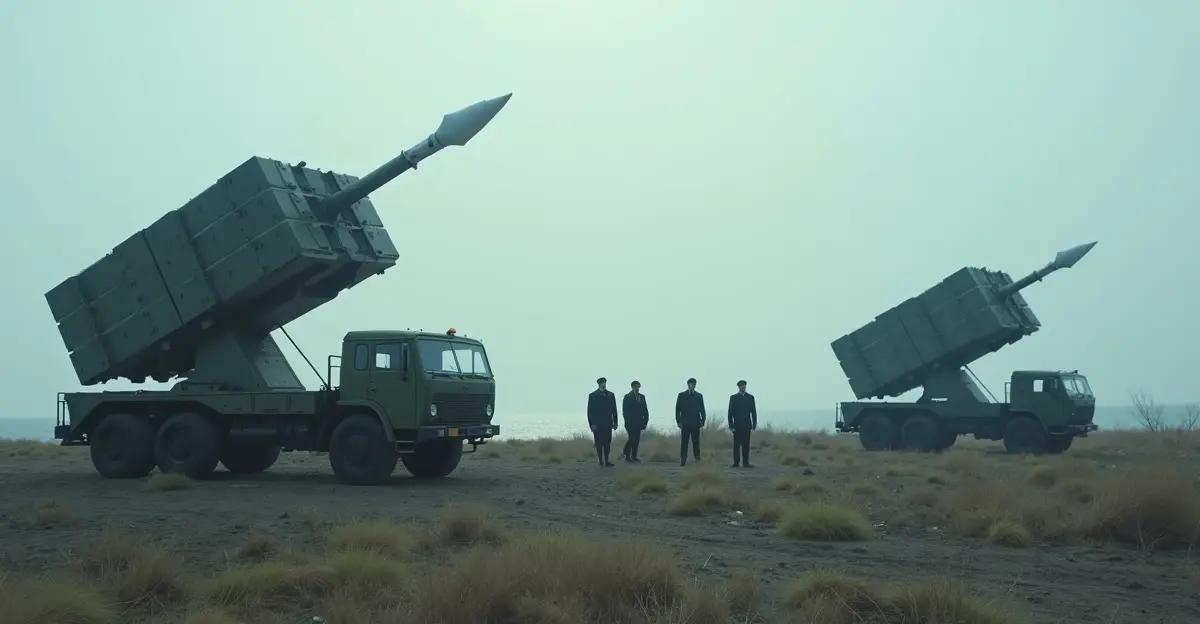
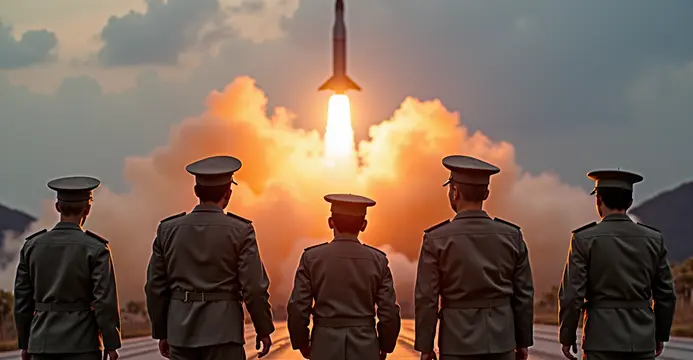
North Korea fired a suspected short-range ballistic missile into the Sea of Japan on August 6, 2026, just one day after Kim Yo Jong, the powerful sister of leader Kim Jong Un, warned of "additional military options" in response to Tokyo's expanding defense posture. The launch, detected by South Korea's Joint Chiefs of Staff and confirmed by Japan's Defense Ministry, marks Pyongyang's first missile test since April and intensifies an already volatile security environment in Northeast Asia.
Background: Kim Yo Jong's Warning and Japan's Military Buildup
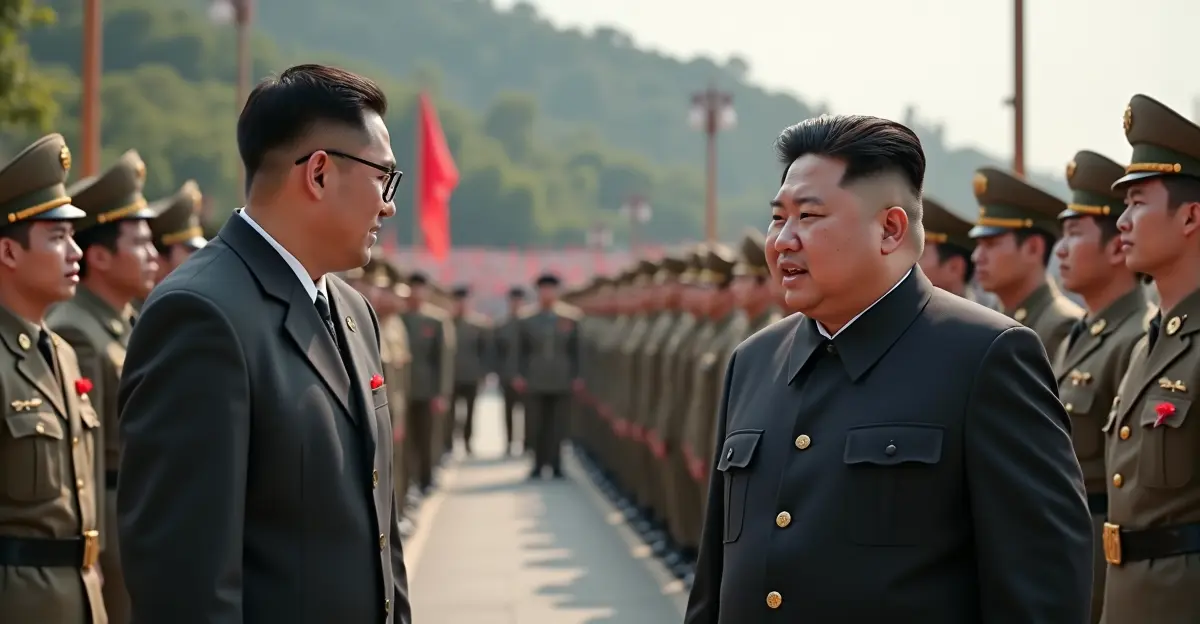
The missile launch was preceded by a sharply worded statement from Kim Yo Jong on August 5, in which she accused Japan of transforming into a "war state" and condemned Tokyo's recent test-firing of U.S.-made Tomahawk cruise missiles from the Aegis destroyer Chokai. She also pointed to Japan's participation in U.S.-led military exercises in the Philippines as evidence of a shift toward pre-emptive strike capabilities. "We will not remain a passive spectator to the accelerated militarization of Japan," Kim said in a Korean Central News Agency (KCNA) dispatch, adding that North Korea would develop responses that make Japan "feel its security is exposed to greater danger."
Japan has been doubling its defense spending and expanding counterstrike capabilities under Prime Minister Shinjiro Koizumi, citing the growing threat from North Korea's nuclear and missile programs and deepening military cooperation among China, Russia, and North Korea. The deployment of Tomahawks to the Southwestern Islands and the loosening of post-war constitutional constraints on military activity have drawn sharp criticism from Pyongyang. Since July, KCNA has published at least six commentaries denouncing U.S.-South Korea-Japan security cooperation, signaling a coordinated propaganda push.
The Launch: Details and Immediate Response
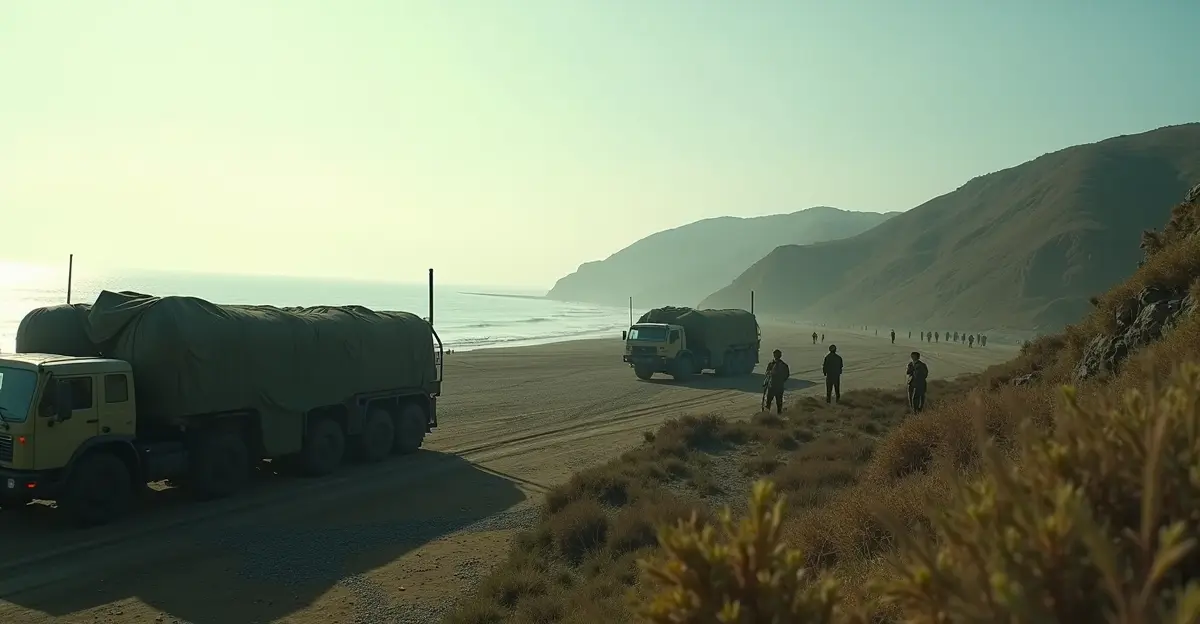
According to South Korea's Joint Chiefs of Staff, the missile was fired at approximately 5 p.m. local time from the Wonsan area on North Korea's eastern coast. It traveled about 800 kilometers (500 miles) before splashing down in the Sea of Japan (East Sea), outside Japanese territorial waters. Japan's Defense Ministry confirmed it did not pose an immediate threat to ships or aircraft, but Defense Minister Shinjiro Koizumi said Tokyo had lodged a strong protest. "This launch threatens the peace and stability of the region and the international community," Koizumi told reporters. "Japan will continue to strengthen its defense capabilities in close coordination with the United States and South Korea."
U.S. Forces Korea said American and South Korean intelligence agencies shared tracking data and were analyzing the missile's flight characteristics. The test comes just weeks before the annual Ulchi Freedom Shield joint military exercises, one of the two major U.S.-South Korea drills that North Korea routinely condemns as a rehearsal for invasion.
North Korea's Weapons Modernization and Regional Implications
This launch is part of a broader pattern of weapons development that has accelerated since diplomacy with Washington broke down in 2019. North Korea now fields an estimated 363 ballistic missiles, including intercontinental-range Hwasong-17s and a growing fleet of short-range tactical systems. The country has also tested hypersonic glide vehicles and submarine-launched ballistic missiles in recent years, raising the stakes for allied defense planners.
Analysts say Pyongyang is using the threat of Japanese militarization to justify its own missile programs and to drive wedges between Tokyo, Seoul, and Washington. "Kim Yo Jong's rhetoric is carefully calibrated to frame North Korea as a victim while signaling that more tests are coming," said Dr. Lee Sung-hwan, a senior fellow at the Sejong Institute. "The timing before Ulchi Freedom Shield is no coincidence—it's a classic Pyongyang provocation cycle."
Connection to the Russia-Ukraine War
The launch also coincides with reports that North Korea is preparing to send additional troops and ballistic missiles to support Russia's war in Ukraine. Ukrainian President Volodymyr Zelensky said last week that intelligence indicated Russia was preparing to receive more North Korean soldiers and weapons. Since signing a new security treaty with Moscow in 2024, North Korea has reportedly supplied millions of artillery shells and deployed thousands of military personnel to the Russia-Ukraine conflict, deepening a partnership that alarms Western capitals.
FAQ
What type of missile did North Korea launch?
South Korean and Japanese assessments indicate it was a short-range ballistic missile, likely similar to Hwasong-11D (KN-23), fired from the Wonsan area and traveling about 800 km.
Why did North Korea launch the missile now?
The launch came one day after Kim Yo Jong warned of "additional military options" in response to Japan's Tomahawk cruise missile test and what Pyongyang calls Japan's transformation into a "war state." It also precedes the Ulchi Freedom Shield U.S.-South Korea exercises.
Did the missile enter Japanese territory?
No. Japan's Defense Ministry confirmed the missile fell into the Sea of Japan (East Sea) outside Japanese territorial waters, and no damage to ships or aircraft was reported.
How is the international community responding?
Japan and South Korea have condemned the launch. The United States, South Korea, and Japan are sharing intelligence and coordinating a response, likely including additional sanctions designations or military readiness demonstrations.
Is North Korea also involved in the Russia-Ukraine war?
Yes. North Korea has sent ammunition and troops to aid Russia's invasion of Ukraine, and President Zelensky recently stated that Moscow is preparing to receive additional North Korean soldiers and ballistic missiles. A 2024 security treaty governs their cooperation.
Follow Discussion