


 Deutsch
 English
 Español
 Français
 Nederlands
 Português


 Share
Share




Sea Drone Detonates in Strategic Black Sea Port
A naval drone exploded on June 5, 2026, in Romania's largest Black Sea port of Constanta, triggering a large-scale evacuation and a search for three additional unmanned vessels still unaccounted for, according to Romanian authorities. The drone, identified as a Ukrainian-made maritime unmanned surface vessel used in the war against Russia, self-detonated near an oil terminal around 10:30 a.m. local time. No casualties were reported, but over 1,300 people were evacuated from coastal areas as a precaution.
Romanian President Nicusor Dan called the explosion a 'significant security incident' that reflects the direct consequences of Russia's war against Ukraine. The incident marks the second major security breach on Romania's Black Sea coast in a week, following the discovery and controlled detonation of a sea mine two days earlier.
Background: Drone Warfare Spills Over NATO Borders
The Constanta explosion is the latest in a series of incidents where drone warfare from the Russia-Ukraine conflict has physically impacted NATO member states. On May 29, 2026, a Russian Geran-2 drone struck an apartment building in Galati, Romania, injuring two people — the first confirmed Russian drone strike on NATO soil. Unlike Russian drone incursions into NATO airspace, the Constanta incident involved a Ukrainian drone that lost control due to Russian electronic warfare jamming.
Ukraine's Navy confirmed that the drone was one of four naval unmanned boats that 'lost control under the influence of the enemy's electronic warfare means.' Three other drones self-detonated in open waters, while a fifth exploded on Ukrainian territory. Kyiv stated it had warned Romanian authorities in advance about the drifting drones.
What Happened: Timeline of the Constanta Incident
Discovery and Evacuation
The drone was discovered early in the morning by port authorities. The Romanian Defense Ministry confirmed the vessel was 'of the type used in the war in Ukraine' and not part of Romania's military inventory. A 1-kilometer exclusion zone was established around the device, and maritime traffic was halted in a section of the coastal area. Two helicopters were deployed to search for the three missing drones, with local authorities urging residents to report any suspicious objects along the shoreline.
The Explosion
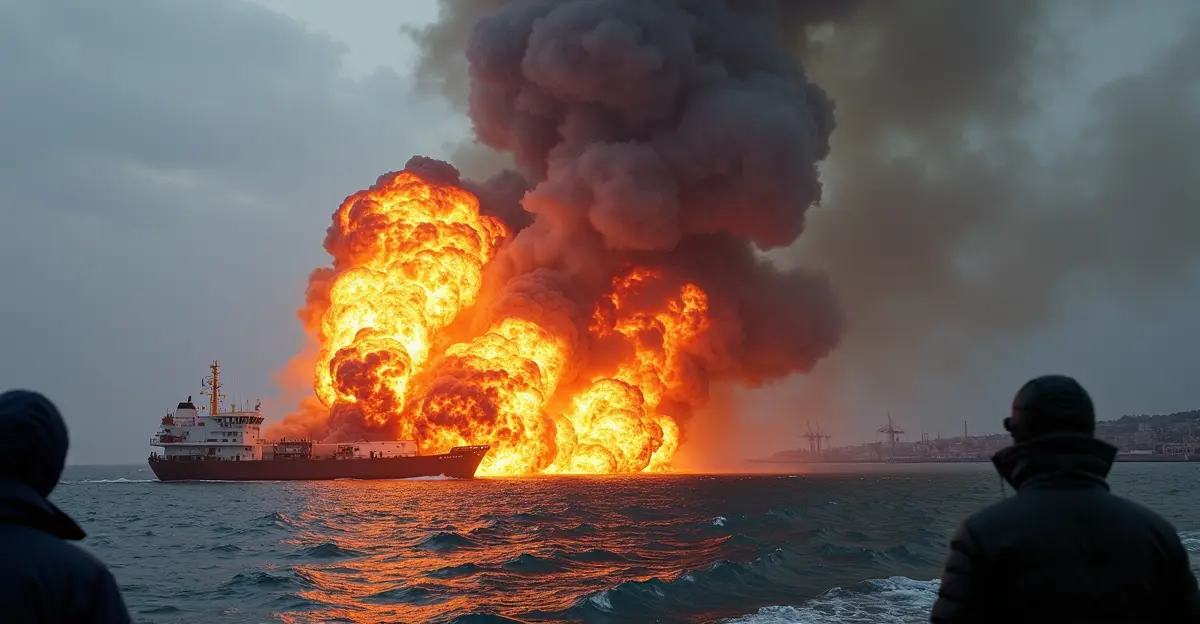
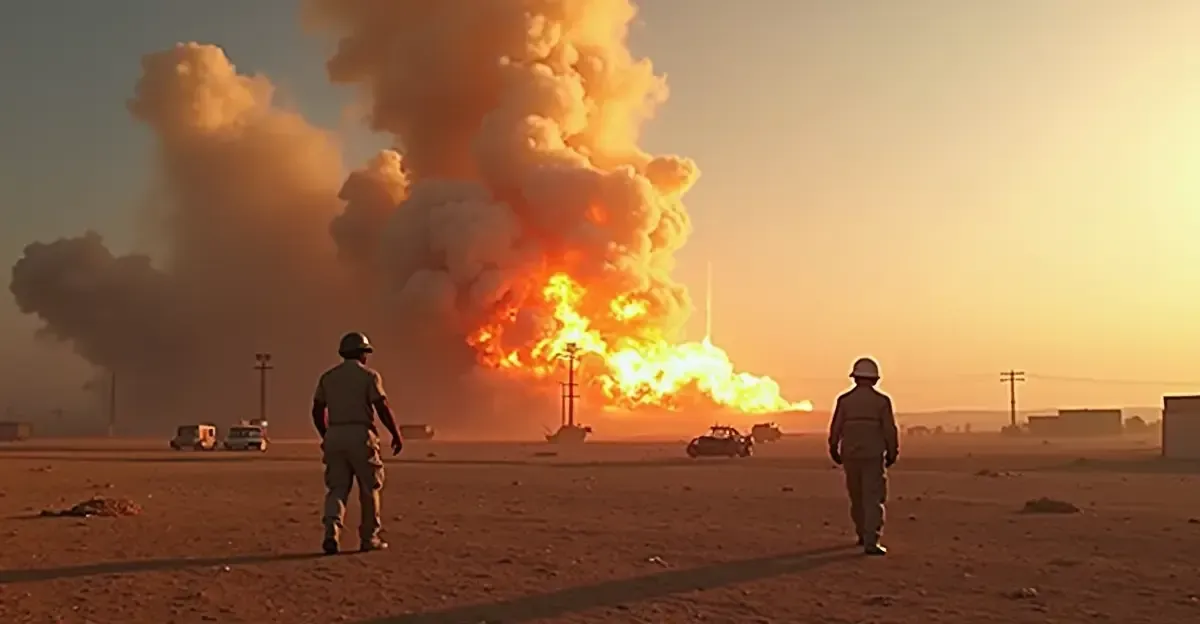
At approximately 11:30 a.m. Dutch time (10:30 a.m. local), the drone self-detonated near an oil terminal. The blast sent a plume of smoke into the air but caused no injuries or major structural damage. Emergency services and military personnel responded en masse. The use of sea drones in the Black Sea has become a hallmark of Ukraine's asymmetric naval strategy, forcing Russia's Black Sea Fleet to relocate from Crimea to Novorossiysk.
NATO and International Response
European Commission President Ursula von der Leyen condemned the incident, stating that the war is 'increasingly becoming a direct threat to countries on our Eastern border.' NATO confirmed it was monitoring the situation closely. However, President Nicusor Dan stated there were no indications that Article 5 — the alliance's collective defense clause — would be invoked, as the incident is being treated as an accidental drift rather than a deliberate attack.
Russia denied any involvement, claiming the drone was Ukrainian. However, analysts point to a pattern of Russian electronic warfare tactics that involve jamming and GPS spoofing of Ukrainian drones, sometimes redirecting them toward neighboring countries. The escalation of hybrid warfare tactics against NATO has been a growing concern for alliance planners.
Wider Implications: The Black Sea Security Crisis
The Constanta explosion highlights the increasingly porous nature of the Black Sea security environment. Since the start of Russia's full-scale invasion, Romania's navy has neutralized nine of 156 sea mines drifting in the Black Sea. The port of Constanta, Romania's primary maritime gateway and a key NATO hub, handles much of the alliance's logistical support for Ukraine. Any disruption to its operations could have cascading effects on supply chains and regional stability.
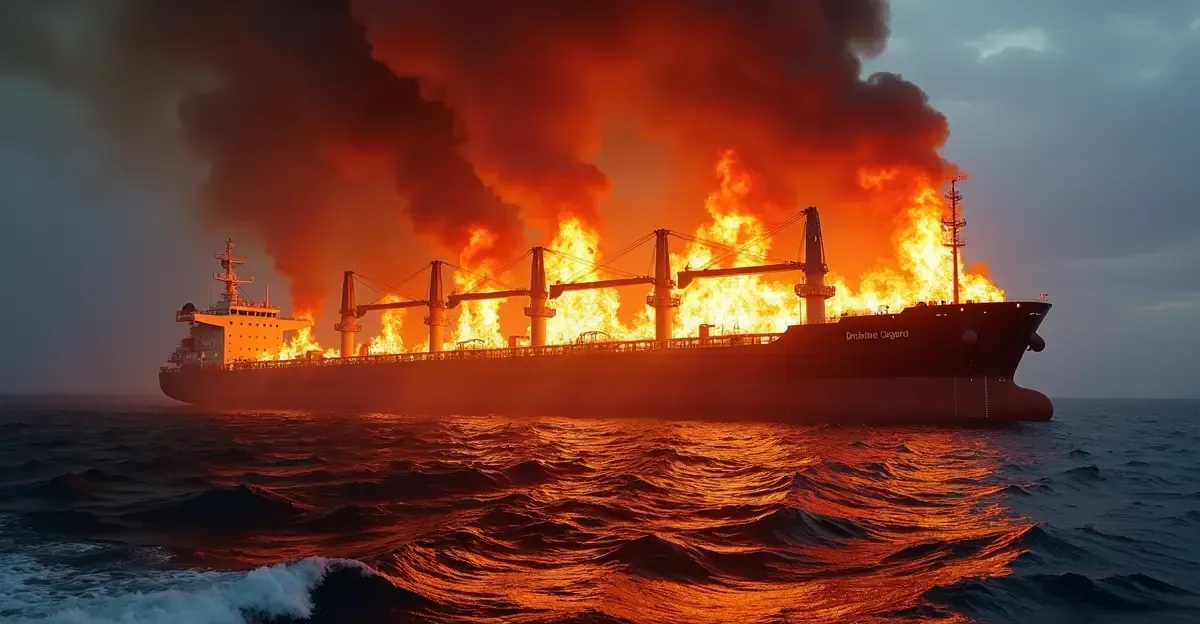
Separately, on the same day, Ukraine's military reported striking five Russian cargo ships in the Sea of Azov using naval drones. Azerbaijan confirmed that five of its citizens were killed in that attack, as the vessels — though not flying the Azerbaijani flag — carried 25 Azerbaijani crew members.
Frequently Asked Questions
What type of drone exploded in Constanta?
The drone was a Ukrainian-made maritime unmanned surface vessel (USV), specifically a naval kamikaze drone of the type used by Ukraine to attack Russian warships in the Black Sea.
Why did the drone drift into Romanian waters?
Ukraine stated that Russia used electronic warfare systems to jam the drone's control signals, causing it to lose navigation and drift toward Romania's coast. Kyiv said it warned Romanian authorities in advance.
Were there any casualties?
No casualties were reported. Over 1,300 people were evacuated from the coastal area as a precautionary measure.
Has NATO invoked Article 5?
No. Romanian President Nicusor Dan said there are no signals that Article 5 will be invoked. NATO is treating the incident as an accidental drift rather than a deliberate attack.
How many drones are still missing?
Three drones remain unaccounted for. Romanian authorities are searching the Black Sea coast with helicopters and naval assets.

Follow Discussion