


 Deutsch
 English
 Español
 Français
 Nederlands
 Português


 Share
Share




What is the Trump Tariff Supreme Court Ruling?
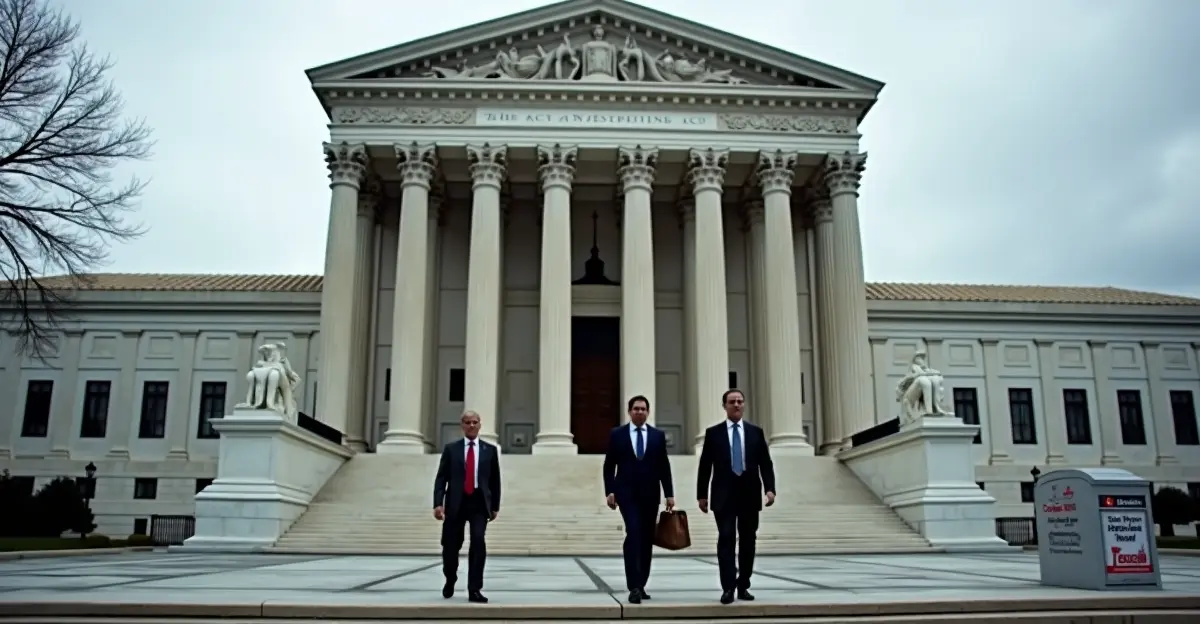
In a landmark 6-3 decision on February 20, 2026, the U.S. Supreme Court struck down former President Donald Trump's sweeping tariffs imposed under the International Emergency Economic Powers Act (IEEPA), dealing a significant blow to his trade agenda. The ruling, which Chief Justice John Roberts authored, found that Trump lacked clear congressional authorization for his emergency tariff powers, affecting tariffs that generated $200-250 billion in federal revenue. This decision represents the biggest defeat for Trump at the Supreme Court since returning to office and sets a crucial precedent for presidential trade authority.
Background: The 'Liberation Day' Tariffs
The tariffs in question originated from Trump's April 2, 2025 'Liberation Day' announcement, where he signed Executive Order 14257 declaring a national emergency over the U.S. trade deficit. Using the IEEPA, Trump imposed 10% tariffs on nearly all countries, with higher rates for major trading partners. These measures had already increased the average U.S. tariff rate to approximately 12%, the highest level since World War II according to Deutsche Bank Research. The U.S.-China trade war escalated further with Executive Order 14256, which closed the de minimis exemption for imports from China.
Immediate Aftermath: Trump's Response
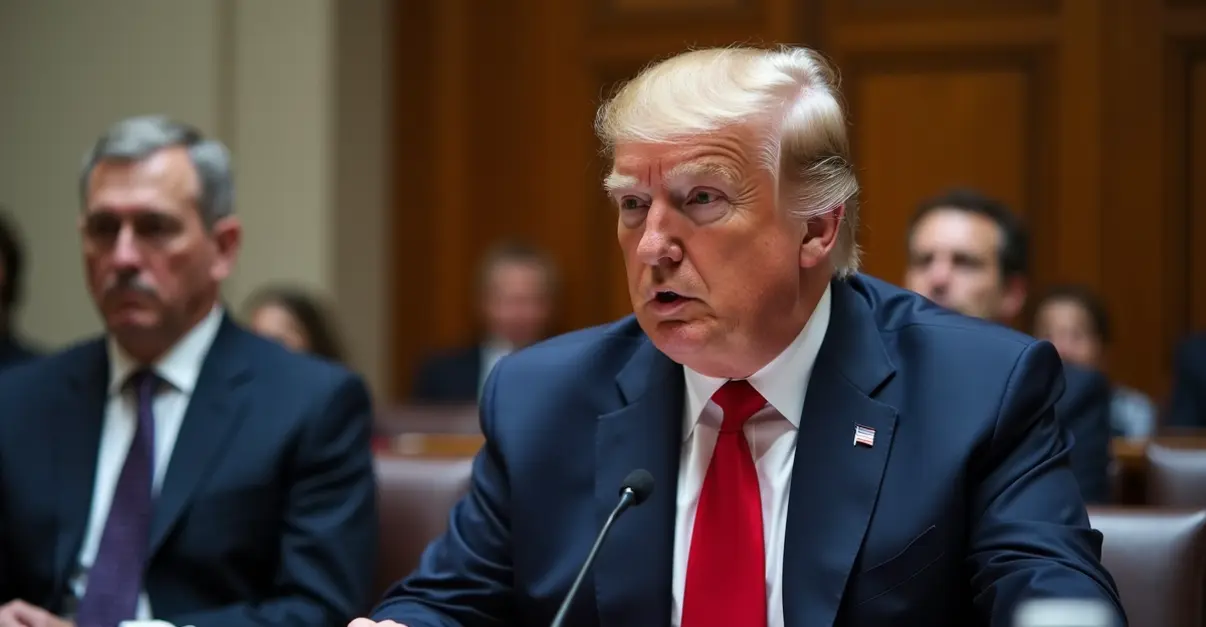
Within hours of the Supreme Court ruling, a furious Trump announced new global tariffs of 10-15% using alternative legal authority. On February 21, 2026, he raised the global tariff rate from 10% to 15%, invoking different legal avenues that allow temporary duties for 150 days. 'They are fools and lap dogs,' Trump said of the conservative justices who ruled against him, while praising those who supported his authority. The president's swift response demonstrates his continued commitment to aggressive trade policies despite judicial setbacks.
Economic Impact and Business Reactions
The Supreme Court's decision could result in nearly $150 billion in refunds to businesses that paid IEEPA tariffs. Illinois Governor JB Pritzker sent Trump an $8.6 billion invoice for tariff refunds alone. Business groups welcomed the ruling, with the U.S. Chamber of Commerce calling it 'welcome news for businesses and consumers.' However, experts note that while businesses may see relief, consumers might not see price reductions as companies might not pass savings along. The ruling creates uncertainty in global trade, though sector-specific duties on steel, aluminum and other goods remain unaffected.
Legal Implications and Future Challenges
The Supreme Court's decision establishes important limits on presidential trade authority. The 6-3 majority included Trump's own appointees Neil Gorsuch and Amy Coney Barrett, whom Trump called 'an embarrassment to their families' for joining the majority. This ruling follows earlier court decisions, including a May 28, 2025 ruling by the United States Court of International Trade that Trump had overstepped his authority, which was upheld by the Federal Circuit Court of Appeals on August 29. The legal battle highlights ongoing constitutional debates about executive power in trade policy.
Global Trade Implications
The ruling and Trump's subsequent tariff actions have significant implications for international trade relationships. The EU has convened an emergency meeting over the Druzhba pipeline row, while Friedrich Merz traveled to China to reset strained trade relations. The new 15% global tariff, though temporary, adds to existing trade tensions and could affect supply chains worldwide. Similar to the Brexit trade negotiations, these developments create uncertainty for multinational corporations and trading partners.
Political Fallout and Public Opinion
A YouGov poll showed 60% of Americans support the Supreme Court's decision, indicating public skepticism about expansive executive trade powers. The ruling represents a rare instance where Trump's own judicial appointees ruled against his administration's position. The political fallout extends beyond trade policy, affecting perceptions of presidential authority and the separation of powers. The situation resembles previous conflicts over executive emergency powers in U.S. history, where courts have reined in presidential authority.
FAQ: Trump Tariffs Supreme Court Ruling
What did the Supreme Court rule on Trump tariffs?
The Supreme Court ruled 6-3 that President Trump lacked authority to impose sweeping tariffs under the International Emergency Economic Powers Act, striking down his 2025 'Liberation Day' tariffs.
How much money could businesses get back?
Businesses could receive up to $150 billion in refunds for tariffs paid under the struck-down IEEPA authority, with Illinois alone seeking $8.6 billion.
What are the new Trump tariffs?
Trump imposed new 10-15% global tariffs on February 21, 2026, using alternative legal authority that allows temporary duties for 150 days.
How does this affect consumers?
While businesses may get refunds, experts warn consumers might not see price reductions as companies might not pass savings along.
What's the legal basis for the new tariffs?
The new tariffs use different trade authorities than the struck-down IEEPA powers, with more restrictions and temporary duration limits.




Follow Discussion