


 Deutsch
 English
 Español
 Français
 Nederlands
 Português


 Share
Share




Landmark Ruling Challenges Presidential Trade Authority
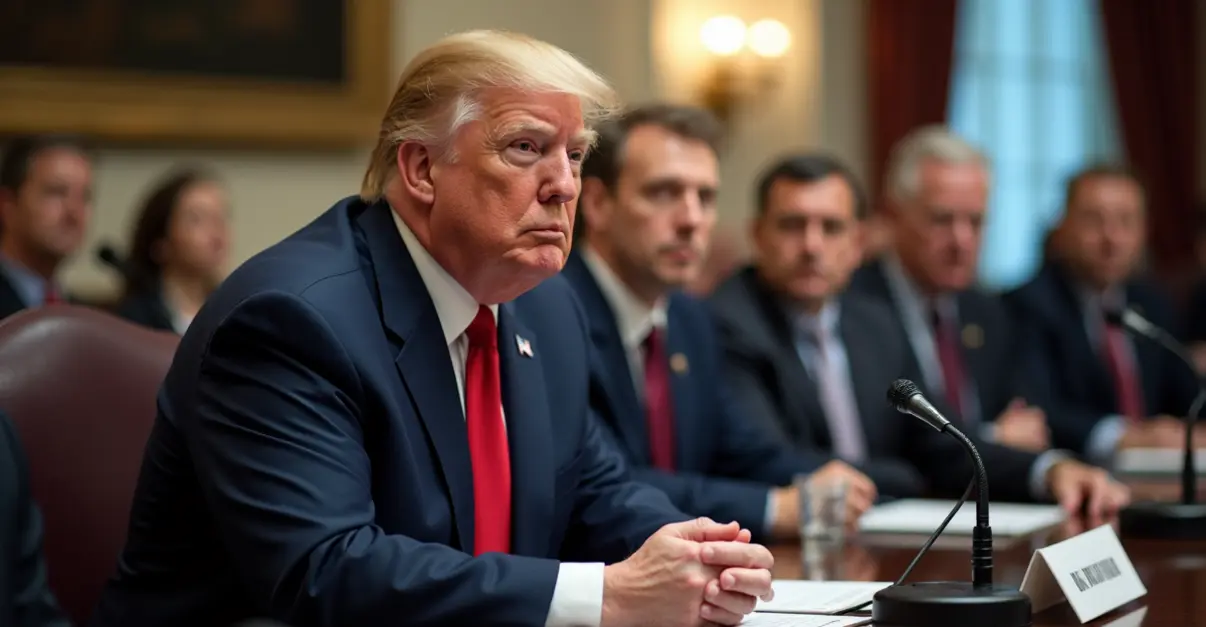
In a seismic decision that's sending shockwaves through international trade circles, the United States Court of International Trade (CIT) has delivered a landmark ruling declaring key portions of former President Donald Trump's tariff regime illegal. The May 28, 2025, unanimous decision by a three-judge panel found that the administration exceeded its authority under the International Emergency Economic Powers Act (IEEPA) when imposing sweeping tariffs on trading partners including Canada, Mexico, and China.
What the Ruling Actually Says
The court specifically targeted two categories of tariffs: the so-called 'Trafficking Tariffs' imposing 25% duties on Canadian and Mexican goods and 20% on Chinese products, and the 'Worldwide and Reciprocal Tariffs' that established baseline surcharges globally. The judges determined these measures went beyond presidential authority, stating they 'fail because they do not deal with the threats set forth in those orders.'
As international trade attorney Sarah Chen explained, 'This isn't just about specific tariffs—it's about the fundamental question of how much power the executive branch has to reshape trade policy without congressional approval. The court is drawing a clear line in the sand.'
Immediate Impact on Exporters and Importers
For businesses engaged in cross-border trade, the ruling creates both opportunity and uncertainty. While the Court of Appeals for the Federal Circuit quickly issued a stay, keeping the challenged tariffs in effect during the appeals process, importers are already preparing for potential refund scenarios.
According to Thomson Reuters analysis, affected companies should maintain meticulous documentation of all tariff payments and consider filing protests for liquidated entries. The ruling affects all importers uniformly, not just the plaintiffs in the case, ensuring consistent application across the board.
Manufacturer John Rodriguez, whose company imports automotive components from Mexico, told us, 'We've been paying these tariffs for years, and the uncertainty has made long-term planning impossible. This ruling gives us hope, but we need clarity on whether refunds will actually materialize.'
Diplomatic Ramifications and Global Trade Relations
The decision arrives at a critical juncture for international relations. As noted in The Diplomat's analysis, the case tests America's commitment to the rules-based international order established after World War II. Trading partners have watched closely as the legal battle unfolds, with many expressing concerns about the stability of U.S. trade policy.
Canadian Trade Minister Marie LeBlanc commented, 'While we respect the U.S. judicial process, this situation highlights why predictable, rules-based trade is essential for North American competitiveness. Our businesses need certainty to invest and grow.'
The ruling also comes as the Council on Foreign Relations identifies the 'erosion of trade agreements' as a key trend to watch in 2026, noting that current policies are pushing allies away and potentially fragmenting global trade rules.
Legal Pathways and Supreme Court Showdown
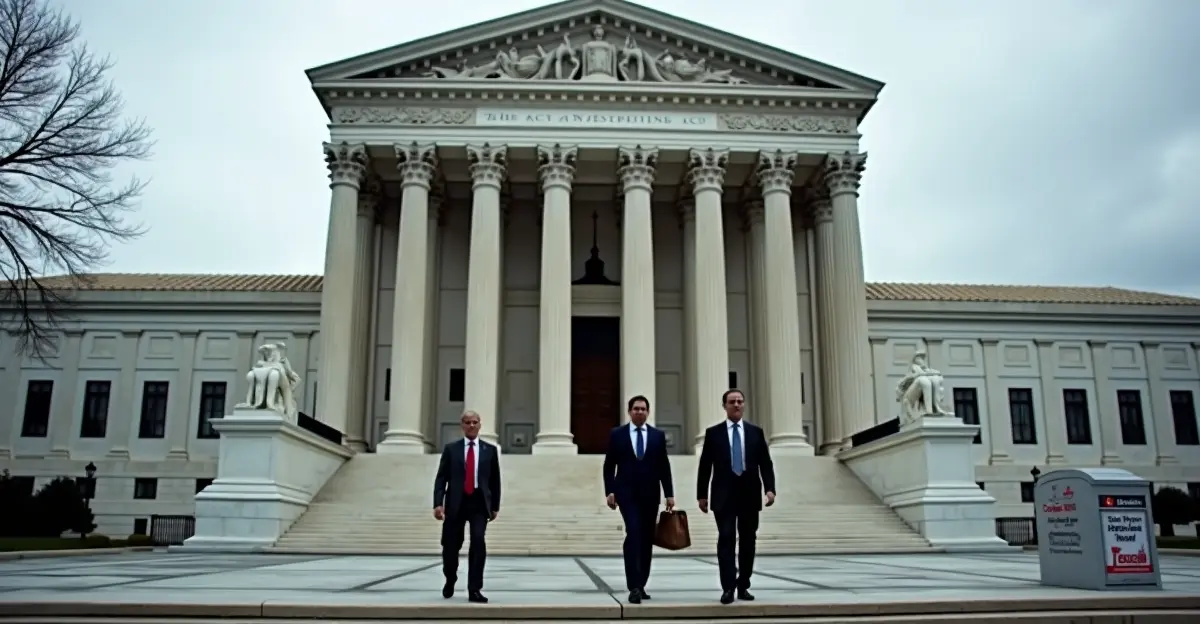
The case is now on a fast track to the Supreme Court, with oral arguments potentially scheduled for November 2025. The August 29, 2025, Federal Circuit ruling upheld the CIT's decision, finding that IEEPA's authorization to 'regulate' imports doesn't include the power to impose tariffs, which are considered taxes requiring explicit congressional delegation.
Legal experts point to the complexity of potential refunds as a major consideration. As SCOTUSblog reports, the government has collected over $200 billion in tariffs this year alone, creating massive logistical challenges for any reimbursement process. The Supreme Court could follow precedent from Office of the U.S. Trustee v. John Q. Hammons Fall 2006, LLC, applying decisions only prospectively to avoid substantial hardship.
What Businesses Should Do Now
Trade compliance experts recommend several immediate actions:
1. Document all tariff payments on affected goods
2. Request extensions of liquidation for unliquidated entries
3. File protests for liquidated entries within the 180-day deadline
4. Monitor legal developments closely
5. Consider joining industry coalitions advocating for clear resolution
Importantly, the ruling doesn't affect Section 232 tariffs on steel and aluminum or Section 301 tariffs on Chinese goods, which remain in place under different legal authorities.
As the legal battle continues, the fundamental question remains: How much unilateral power should the president have over international trade? The answer will shape U.S. trade policy—and global economic relations—for years to come.




Follow Discussion