


 Deutsch
 English
 Español
 Français
 Nederlands
 Português


 Share
Share




Landmark Ruling Challenges Presidential Trade Powers
In a groundbreaking decision with far-reaching implications for global trade policy, the U.S. Court of International Trade has struck down President Donald Trump's emergency tariffs imposed under the International Emergency Economic Powers Act (IEEPA). The unanimous ruling by a three-judge panel on May 28, 2025, represents a significant check on executive power and has sent shockwaves through international markets and policy circles.
The Core Legal Challenge
The court found that President Trump exceeded his authority when implementing a 10% worldwide reciprocal tariff, along with specific 25% tariffs on Canadian and Mexican goods and 20% tariffs on Chinese products. These measures were justified under IEEPA as necessary to combat drug trafficking threats, but the court determined they 'fail because they do not deal with the threats set forth in those orders.' The ruling emphasizes that tariff authority constitutionally belongs to Congress, not the executive branch.
Legal experts have hailed the decision as a crucial reinforcement of constitutional separation of powers. 'This ruling reminds us that emergency powers have limits,' said Professor Elena Rodriguez, a trade law specialist at Georgetown University. 'The court has drawn a clear line that presidents cannot use national security emergencies as blank checks for trade policy.'
Immediate Market Reactions and Appeals
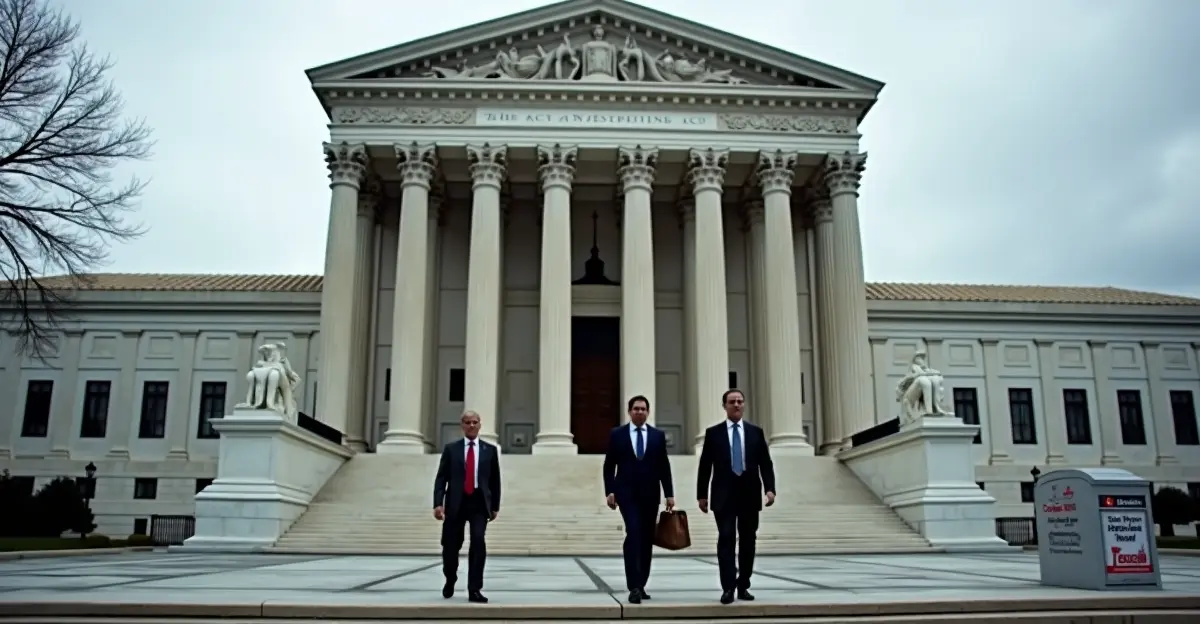
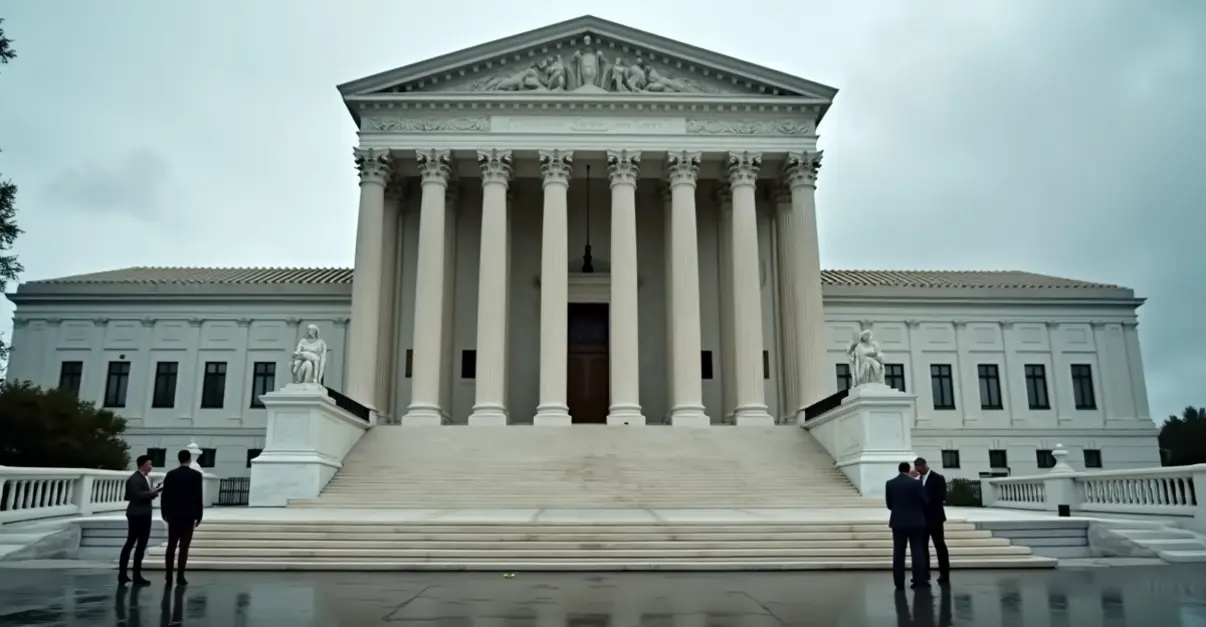
Following the ruling, the Trump administration immediately appealed to the U.S. Court of Appeals for the Federal Circuit, which granted a temporary stay on May 29, 2025. This means the tariffs remain in effect during the appeals process, creating ongoing uncertainty for businesses. The case could ultimately reach the Supreme Court, potentially setting a precedent for future presidential trade actions.
Importers affected by the IEEPA tariffs should track entries where duties were paid and preserve documentation for potential refunds, though the court did not order automatic refunds. 'Businesses are caught in legal limbo,' noted trade attorney Michael Chen. 'They're paying tariffs that have been declared illegal, but they can't get refunds until the appeals process concludes. This creates cash flow challenges and planning difficulties.'
Broader Implications for International Trade
The ruling comes amid broader challenges to the global trading system. The World Trade Organization's dispute settlement mechanism remains paralyzed since 2019, with the appellate body non-functional. Recent developments include the European Union withdrawing a WTO case against China over trade restrictions on Lithuania, and Indonesia rejecting EU proposals for alternative dispute resolution mechanisms.
Meanwhile, the International Court of Justice in The Hague (not Geneva, despite common misconceptions about international courts) issued a landmark 2025 advisory opinion on climate change, establishing that states have legal obligations to protect the environment from greenhouse gas emissions. While this ICJ opinion is non-binding, it signals increasing judicial scrutiny of government actions affecting global systems.
Policy and Community Impacts
The trade court ruling has significant implications for policy markets and communities. For policymakers, it clarifies the boundaries of executive authority in trade matters. For businesses, it creates both opportunities and risks—potential tariff relief but also prolonged uncertainty. For communities dependent on international trade, the decision affects supply chains, pricing, and economic stability.
'This isn't just about legal technicalities,' explained economic analyst Sarah Johnson. 'It's about how trade policy affects real people—from factory workers to consumers. When tariffs are imposed or removed, it changes what products cost, what jobs are available, and how communities thrive.'
The ruling specifically does not affect other Trump-era tariffs imposed under different statutes, including Section 232 steel and aluminum duties and Section 301 China duties. These remain in place, creating a complex patchwork of trade measures that businesses must navigate.
Looking Ahead
As the legal battle continues through the appeals process, several key questions remain: How will the Federal Circuit rule? Will the Supreme Court take the case? What precedent will this set for future presidents? The answers will shape U.S. trade policy for years to come.
The case also highlights broader trends in international law and trade governance. With multilateral institutions like the WTO facing challenges, and national courts increasingly adjudicating global trade disputes, the landscape of international economic law is evolving rapidly.
For now, businesses and policymakers must monitor developments closely. The temporary stay means tariffs continue, but the underlying legal foundation has been shaken. As Professor Rodriguez concluded: 'This ruling may not immediately change tariff rates, but it fundamentally changes the conversation about who gets to set trade policy in America.'



Follow Discussion