


 Deutsch
 English
 Español
 Français
 Nederlands
 Português


 Share
Share




Landmark Legal Decision Redefines Presidential Trade Authority
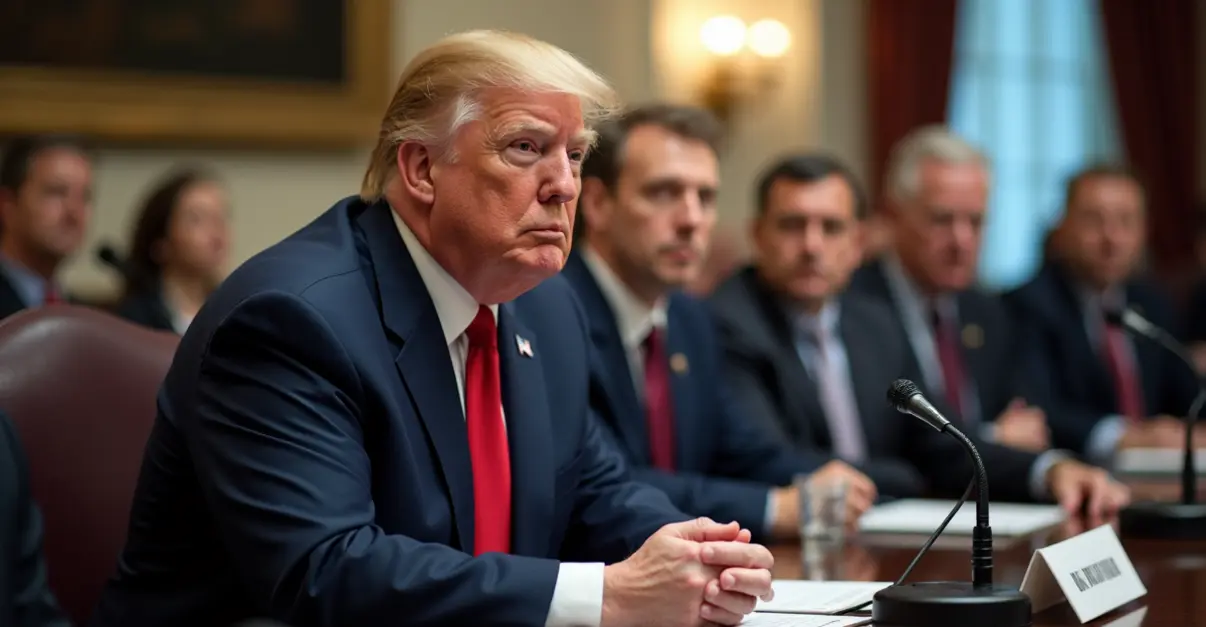
In a historic 6-3 decision on November 8, 2025, the U.S. Supreme Court fundamentally altered the balance of power in international trade policy, sending shockwaves through global markets and diplomatic channels. The ruling in Global Importers v. United States significantly curtailed presidential authority to impose tariffs without explicit congressional approval, nullifying many existing tariffs and requiring legislative mandates for broad economic tariffs.
Immediate Winners and Losers Emerge
The decision created immediate winners and losers across the global economy. Import-dependent companies like Apple, HP, GM, Ford, Walmart, and Target stand to benefit from reduced costs, while domestic steel and aluminum producers face renewed competition from cheaper imports. 'This ruling forces a major corporate reckoning,' noted one trade analyst. 'Companies must now re-evaluate supply chain strategies that were built around tariff protections.'
Billions in Potential Refunds and Legal Uncertainty
The ruling has triggered complex questions about tariff refunds that could involve billions of dollars. During oral arguments, Justice Amy Coney Barrett raised concerns about potential refund complications, referencing past Supreme Court cases that provide guidance on remedies for unconstitutional fees. According to SCOTUSblog analysis, options include limiting relief to prospective application only, establishing claims-resolution procedures, or using automated refund systems similar to those used for expired trade programs.
Diplomatic Channels Under Strain
The decision comes amid mounting tensions in global trade relations. The WTO's dysfunctional Dispute Settlement Mechanism, particularly the paralyzed Appellate Body since 2019, has prevented enforcement of trade dispute rulings. Several countries have filed WTO complaints against U.S. tariffs, but the broken system means these challenges won't lead to enforceable outcomes. 'The ruling reshapes global commerce by recalibrating U.S. trade policy power dynamics,' explained a diplomatic source. 'It emphasizes congressional involvement and potentially accelerates global supply chain optimization based on efficiency rather than protectionism.'
Exporters and Importers Face Strategic Recalibration
For businesses engaged in international trade, the ruling demands immediate strategic adjustments. According to Thomson Reuters' 2026 Global Trade Report, 72% of trade professionals cite tariff volatility as their top challenge, with 76% viewing new U.S. tariffs as a permanent policy shift affecting 23% of imports and 26% of exports. Supply chain resilience has become the top priority for 68% of professionals, with 72% restructuring sourcing patterns to reduce tariff exposure.
Long-Term Implications for Trade Governance
The Supreme Court's decision represents more than just a legal ruling—it signals a potential shift in how trade policy is formulated and implemented. The case tested whether tariffs constitute taxes that only Congress can authorize and examined the limits of presidential emergency powers under the International Emergency Economic Powers Act (IEEPA). As noted in Thomson Reuters analysis, the stakes are massive: if tariffs are ruled ultra vires, it could trigger billions in duty refunds and curtail executive trade powers; if upheld, it would expand presidential authority significantly.
Looking Ahead to 2026
As businesses prepare for 2026, the Willson International Trade Outlook identifies six key themes: tariff resilience, a return to stability, preparation for the next wave of shipping volumes, automation and visibility, decisive supply chain planning, and smart logistics pricing. The ruling has created both challenges and opportunities, forcing companies to move from reactive to strategic planning. '2026 will be a year for strategic recalibration,' predicts one logistics expert. 'Stability will enable better forecasting, optimized routing, and more informed decision-making across global supply chains.'
The Supreme Court's landmark decision has fundamentally reshaped the international trade landscape, affecting exporters, importers, and diplomatic relations worldwide. As legal challenges continue and businesses adapt, the full impact of this ruling will unfold throughout 2026 and beyond.




Follow Discussion