Nederlands
 English
 Deutsch
 Français
 Español
 Português






European Parliament Deals Blow to Von der Leyen's Trade Agenda
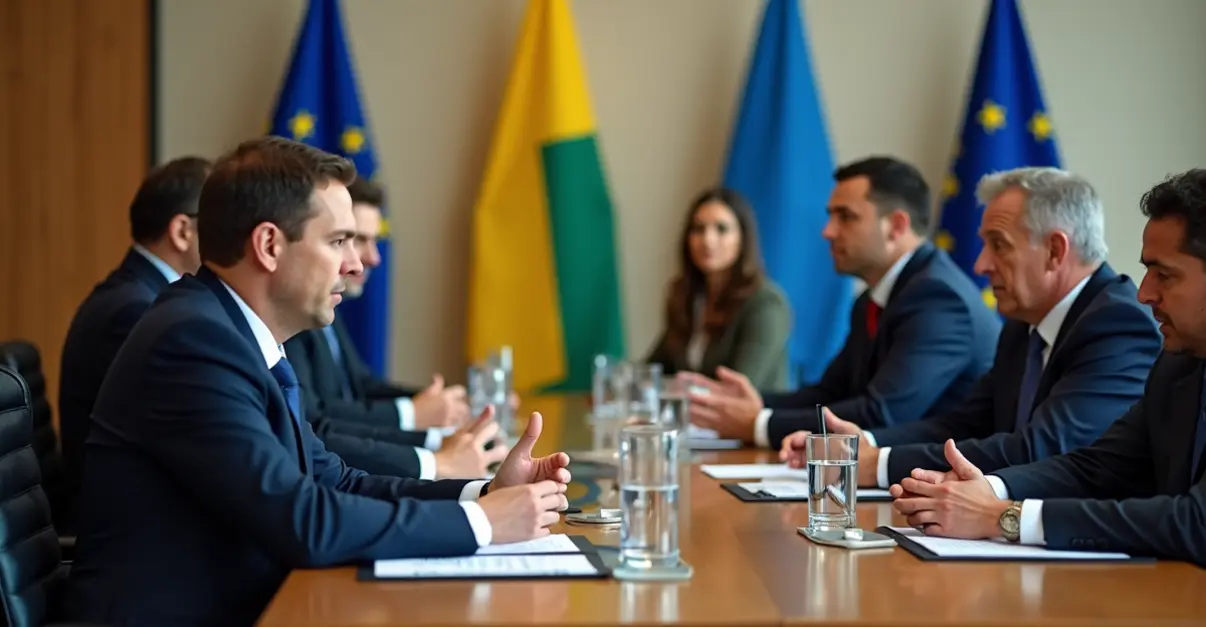
In a dramatic move that could delay one of Europe's most significant trade agreements for years, the European Parliament has voted to refer the EU-Mercosur trade deal to the Court of Justice for legal review. The decision, passed by a razor-thin margin of 334-324 with 11 abstentions, represents a major setback for European Commission President Ursula von der Leyen and her vision of strengthening Europe's global trade position.
What the Court Review Means
The European Parliament's resolution effectively freezes the approval process for the landmark trade agreement with South America's Mercosur bloc, which includes Argentina, Brazil, Paraguay, and Uruguay. The Court of Justice will now examine whether the deal complies with EU treaties, particularly regarding environmental protections and the EU's ability to maintain its own standards. This judicial review process typically takes 18-24 months, potentially pushing implementation into 2028 or beyond.
'Europa zet zichzelf buitenspel. De wereld kijkt mee hoe Europa zichzelf isoleert op basis van onjuiste informatie en bangmakerij,' lamented VVD Europarliamentarian Bart Groothuis, capturing the frustration of pro-trade lawmakers.
Farmer Protests and Political Divisions
The parliamentary vote followed massive farmer protests across Europe, with thousands gathering in Strasbourg to voice concerns about cheap South American imports undercutting European agriculture. Farmers fear the deal would allow imports of beef, poultry, and agricultural products that don't meet European environmental and safety standards.
The political landscape reveals deep divisions: Renew Europe, Greens/EFA, and The Left supported the referral to the Court, while the European People's Party and Socialists and Democrats opposed it. This split reflects broader tensions between trade expansion and protection of domestic industries.
Strategic Implications for Europe
The EU-Mercosur agreement, negotiated over 25 years, would create one of the world's largest free-trade areas covering approximately 780 million consumers. Proponents argue it's essential for reducing European dependence on China and the United States while boosting exports of European cars, pharmaceuticals, and textiles.
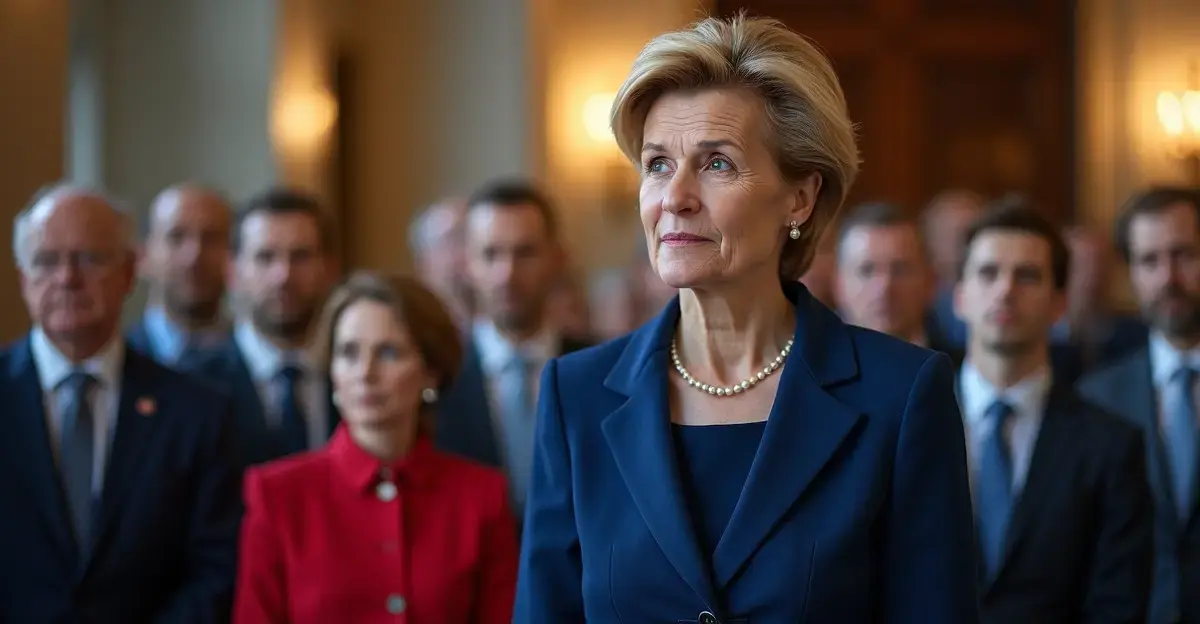
European Commission President Ursula von der Leyen had called the deal 'a strong message to the world' during the World Economic Forum in Davos, emphasizing its strategic importance. However, German Chancellor Friedrich Merz criticized the parliamentary decision as 'regrettable' and warned of 'a misjudgment of the geopolitical situation.'
What Happens Next?
The European Commission now faces a difficult choice: proceed with provisional implementation of the trade deal while awaiting the court's opinion, or respect the Parliament's wishes and wait. A Commission spokesperson acknowledged that provisional application remains technically possible, though politically contentious.
The delay comes just weeks after 21 EU member states approved the deal, with only Austria, France, Hungary, Ireland, and Poland voting against it. The agreement had been ceremonially signed in Paraguay on January 17, 2026, marking what many thought would be the final step before implementation.
BBB Europarliamentarian Jessika van Leeuwen welcomed the court referral, calling it 'necessary' to ensure proper scrutiny of the agreement's implications for European agriculture and environmental standards.
As Europe grapples with balancing economic ambitions with domestic concerns, the Mercosur delay highlights the complex challenges of 21st-century trade diplomacy in an increasingly polarized world.