


 Deutsch
 English
 Español
 Français
 Nederlands
 Português


 Share
Share




The Quantum-AI Convergence: How Quantum Computing is Reshaping AI Infrastructure and Energy Demands in 2026
In 2026, quantum computing has transitioned from theoretical capability to operational reality, creating new computational paradigms that intersect with AI infrastructure demands, cybersecurity requirements, and energy consumption patterns. Recent reports from IBM and the World Economic Forum indicate this pivotal year marks where quantum systems are beginning to outperform classical computers for specific tasks while simultaneously creating new energy and security challenges that demand immediate attention from global leaders.
What is Quantum-AI Convergence?
The quantum-AI convergence represents the integration of quantum computing capabilities with artificial intelligence systems, creating hybrid architectures that leverage the strengths of both technologies. Unlike traditional computing that uses binary bits (0s and 1s), quantum computing employs qubits that can exist in multiple states simultaneously through superposition and entanglement. This allows quantum computers to process vast amounts of data exponentially faster than classical systems for specific problem classes, particularly those involving optimization, simulation, and pattern recognition.
The Emergence of Hybrid Quantum-Classical Architectures
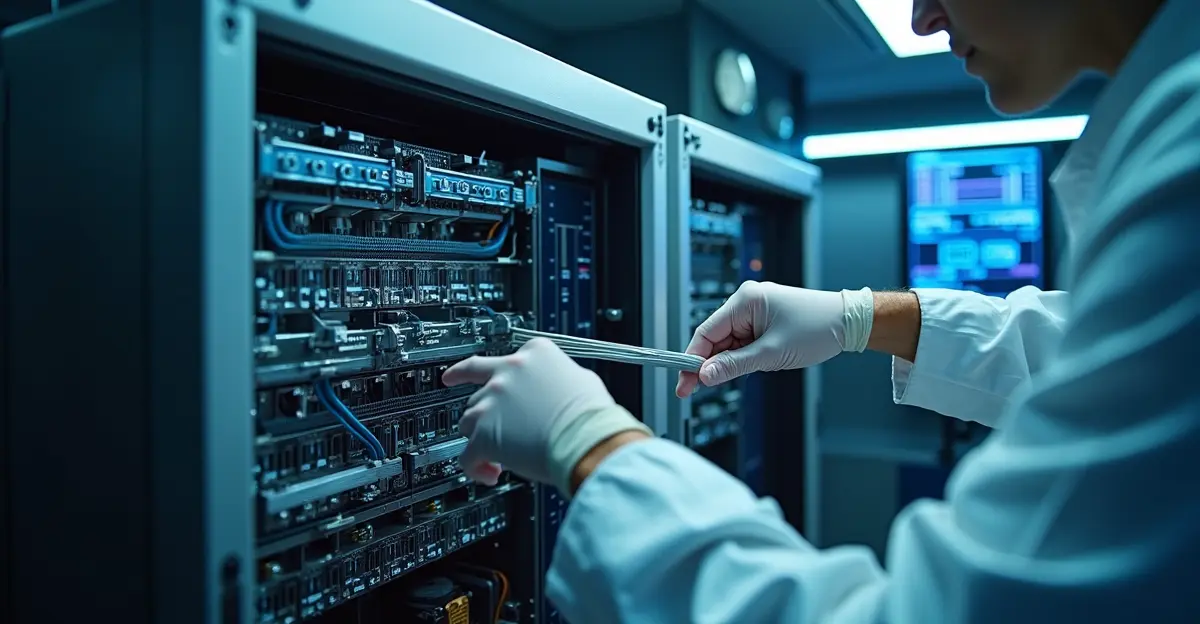
In March 2026, IBM unveiled the industry's first quantum-centric supercomputing reference architecture, providing a blueprint for integrating quantum processors (QPUs) with classical computing systems like GPUs and CPUs. This architecture enables quantum and classical systems to work together in a unified environment to tackle complex scientific problems that neither approach can solve alone. 'This represents quantum-centric supercomputing where quantum processors collaborate with classical high-performance computing to solve previously intractable problems,' explains IBM Research director Jay Gambetta.
Key Breakthroughs in 2026
Several critical developments have marked 2026 as a turning point:
- IBM's Quantum Nighthawk processor with 120 qubits and Google's 1000-qubit Willow system demonstrating quantum advantage in optimization tasks
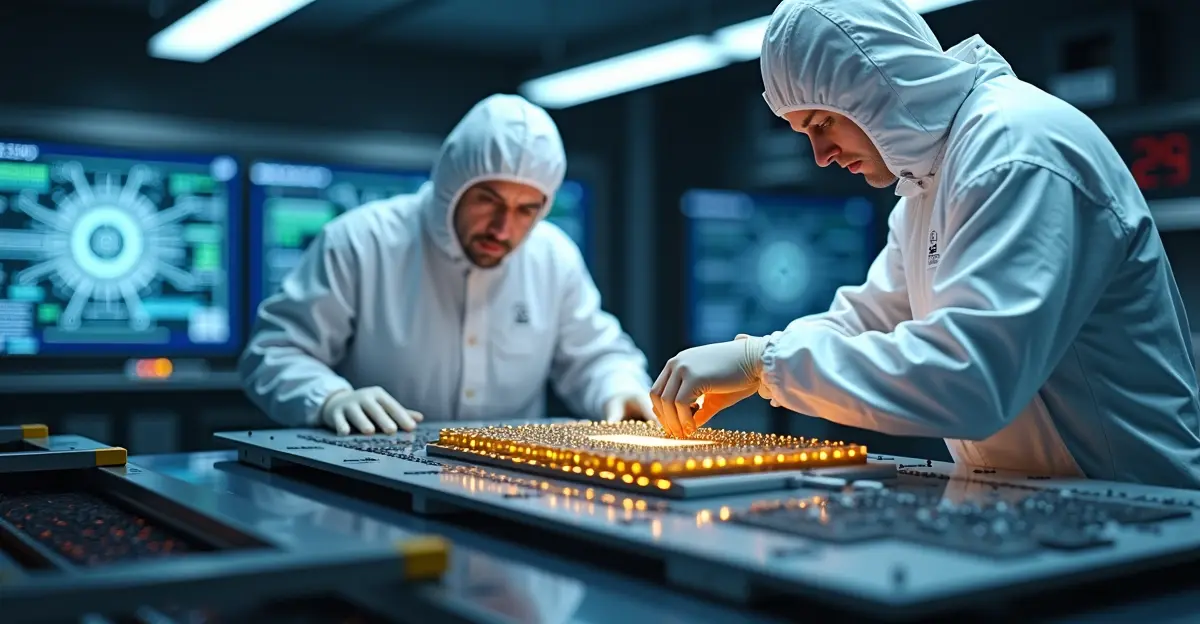
- Scientific breakthroughs including creating a half-Möbius molecule and simulating a 303-atom tryptophan-cage mini-protein
- Hybrid quantum-classical methods reducing mean absolute error by two orders of magnitude compared to traditional approaches
- The variational quantum eigensolver (VQE) approach showing remarkable accuracy improvements in computational chemistry
Energy Consumption Patterns in Quantum-AI Infrastructure
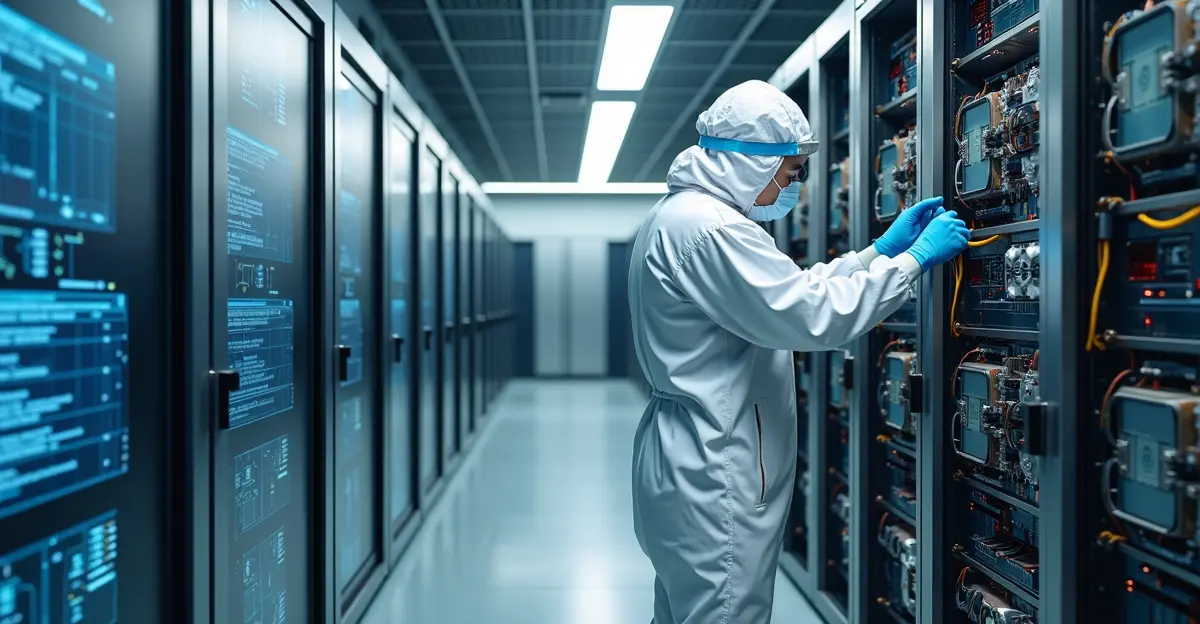
As quantum systems integrate with traditional AI data centers, new energy consumption patterns are emerging that present both challenges and opportunities. While AI infrastructure already consumes vast energy, quantum computing offers potential energy advantages through reversible quantum algorithms that avoid the thermodynamic limitations of classical computing. However, energy efficiency depends heavily on hardware platforms.
Power Demands by Architecture
A World Economic Forum analysis reveals significant differences in energy requirements:
- Superconducting quantum computers require extreme cryogenic cooling (around 25kW per system)
- Neutral-atom quantum computers operate at/near room temperature with lower power consumption (below 10kW)
- At scale, power demands could differ by up to two orders of magnitude between architectures
The Nature Reviews Clean Technology article emphasizes that planning for quantum computing requires strong interdisciplinary collaboration across engineering, physics, environmental sciences, economics, policy, and energy systems modeling to address sustainability concerns.
Cybersecurity Implications and Post-Quantum Cryptography
The quantum-AI convergence has accelerated cybersecurity concerns as post-quantum cryptography becomes increasingly urgent. The 'harvest now, decrypt later' threat model means adversaries can collect encrypted data today and decrypt it later when quantum computers become capable of breaking current encryption standards.
NIST Standards and Migration Timeline
In August 2024, NIST finalized three post-quantum cryptographic standards that replace vulnerable RSA and elliptic-curve cryptography:
- FIPS 203 (ML-KEM for key exchange)
- FIPS 204 (ML-DSA for digital signatures)
- FIPS 205 (SLH-DSA for hash-based signatures)
Despite these standards, most organizations remain unprepared. According to the Global Risk Institute's Quantum Threat Timeline Report, organizations must consider data protection timelines, migration timelines, and quantum capability timelines simultaneously. The UK NCSC recommends starting migration planning now, with full transition expected between 2027-2030.
Strategic Implications for Nations and Corporations
The race to establish quantum supremacy has become a new frontier of great-power competition with profound implications for critical sectors like materials science, drug discovery, and financial modeling. The U.S.-China Economic and Security Review Commission report details intense competition between the U.S. and China in quantum technologies, with China deploying industrial-scale funding and centralized coordination to achieve dominance in quantum systems.
Industry Transformations
Quantum computing promises to revolutionize multiple industries:
- Pharmaceuticals: Reducing drug discovery timelines from 10-15 years to 3-5 years
- Materials Science: Developing better batteries, superconductors, and catalysts
- Finance: Optimizing risk management and portfolio optimization
- Energy: Improving grid optimization and renewable energy integration
The addressable market for quantum computing applications is estimated at $100-250 billion, with commercially valuable quantum applications projected by 2026-2028 and widespread adoption across multiple industries by 2030-2035.
Expert Perspectives on the Quantum Transition
Industry leaders emphasize that 2026 represents a critical inflection point. 'We're moving from quantum supremacy demonstrations to quantum advantage in practical applications,' notes a senior researcher at the World Economic Forum's Quantum Initiative. 'The hybrid approach positions quantum processors as targeted accelerators for specific problem classes rather than replacing classical AI/HPC systems entirely.'
The World Economic Forum's energy transition report, developed in collaboration with Aramco, emphasizes that coordinated action in standards, workforce development, cybersecurity readiness, and cross-sector collaboration is essential to translate quantum experimentation into real-world impact for improving energy efficiency, resilience, and long-term adaptability.
Frequently Asked Questions
What is quantum-AI convergence?
Quantum-AI convergence refers to the integration of quantum computing capabilities with artificial intelligence systems, creating hybrid architectures that leverage quantum superposition and entanglement to solve problems exponentially faster than classical computers for specific applications like optimization, simulation, and pattern recognition.
How does quantum computing affect energy consumption?
Quantum computing presents both energy challenges and opportunities. While superconducting quantum computers require significant cryogenic cooling (around 25kW), neutral-atom systems operate with lower power consumption (below 10kW). Quantum algorithms can potentially reduce real-world energy use through optimization in energy systems, materials science, and AI workflows.
What is post-quantum cryptography and why is it urgent?
Post-quantum cryptography refers to cryptographic algorithms designed to be secure against attacks by quantum computers. It's urgent because of the 'harvest now, decrypt later' threat where adversaries collect encrypted data today to decrypt later when quantum computers become capable of breaking current encryption standards like RSA and elliptic-curve cryptography.
Which countries are leading in quantum technology?
The United States leads in most quantum research with a distributed innovation ecosystem, while China has deployed industrial-scale funding and centralized coordination, particularly leading in quantum communications. The European Union maintains strong research programs, creating a three-way competition for quantum supremacy.
When will quantum computing become commercially viable?
Commercially valuable quantum applications are projected by 2026-2028, with widespread adoption across multiple industries expected by 2030-2035 as quantum systems achieve hundreds of logical qubits and become accessible via cloud platforms.
Conclusion: The Path Forward
The quantum-AI convergence represents one of the most significant technological shifts of the decade, with 2026 marking the transition from experimental capability to practical application. As hybrid quantum-classical architectures become operational, organizations must address energy efficiency concerns, accelerate post-quantum cryptography migration, and develop strategic approaches to leverage quantum advantages in critical sectors. The nations and corporations that successfully navigate this transition will establish leadership in the next era of computational capability.


Follow Discussion