


 Deutsch
 English
 Español
 Français
 Nederlands
 Português


 Share
Share




The New Rules for Shared Scooters
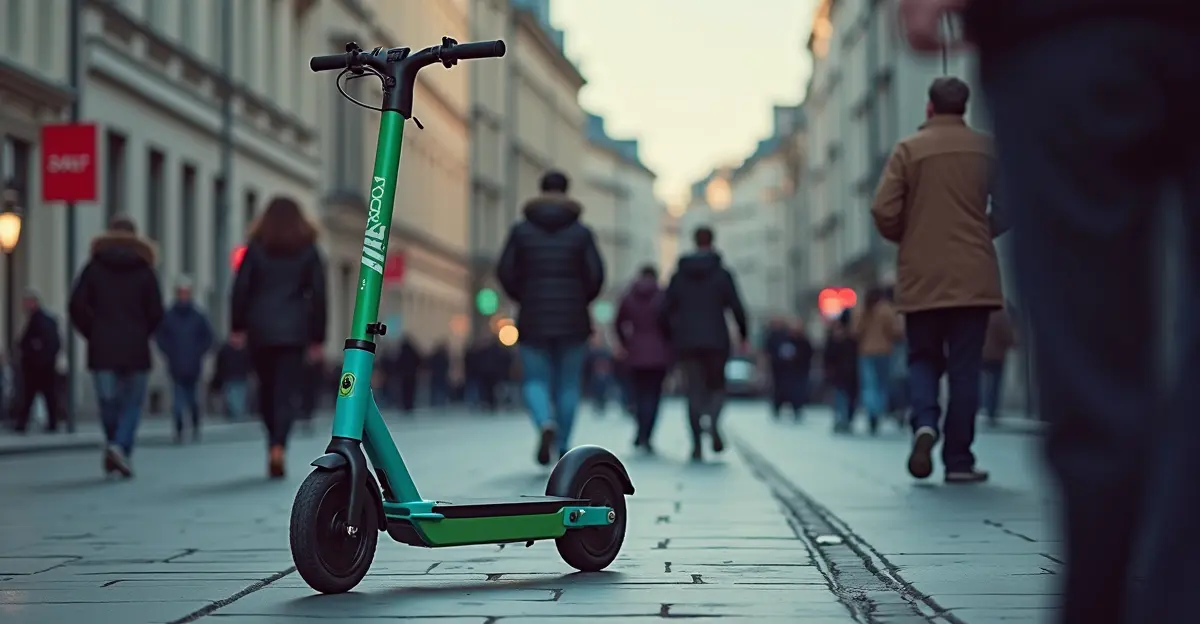
Cities worldwide are implementing stricter regulations on shared electric scooters to address safety concerns. New measures include mandatory speed limits, designated parking zones, and geofencing technology to control where scooters can operate.
Speed Restrictions Take Effect
Most cities now enforce 15-20 mph speed limits, with reduced speeds in pedestrian-heavy areas. Dallas has implemented "Slow-Ride Zones" where scooters automatically throttle to 10 mph using GPS technology. Riders face $200 fines for violations.
Parking Corrals and Penalties
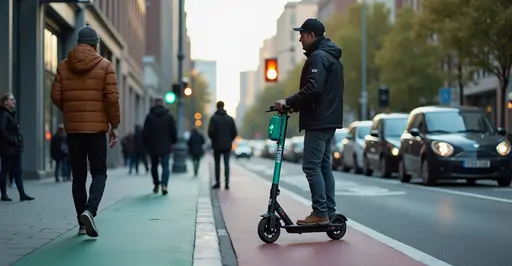
Designated parking corrals are now required in downtown areas. Improperly parked scooters trigger $20 fines, with companies required to relocate obstructing vehicles within 2 hours. Seattle mandates parking in furniture zones or bike racks, prohibiting sidewalk blocking.
Technology Enforces Compliance
Geofencing creates virtual boundaries that:
- Limit scooter access to sensitive areas
- Automatically reduce speeds in parks/school zones
- Designate approved parking areas
Companies like Lime and Bird now use custom hardware to prevent hacking and theft.
Helmet Requirements Vary
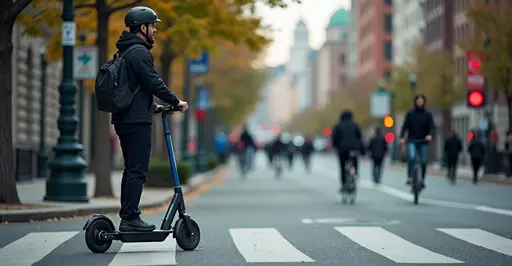
While Washington State doesn't mandate helmets, cities like Aberdeen and Lynnwood require them. Shared operators don't provide helmets but partner with cities for distribution programs.
Industry Growth and Challenges
The global scooter-sharing market is projected to reach $500 billion by 2030. However, vandalism and hacking remain issues - 23% of scooters require weekly repairs. New anti-theft features include immobilization alarms and proprietary parts that disable when tampered with.
As urban planner Dr. Elena Torres notes: "These regulations strike a balance between micromobility innovation and public safety. Properly implemented, they can reduce accidents by up to 40%."


Follow Discussion