


 Deutsch
 English
 Español
 Français
 Nederlands
 Português


 Share
Share




E-Scooter Regulations Tighten Nationwide
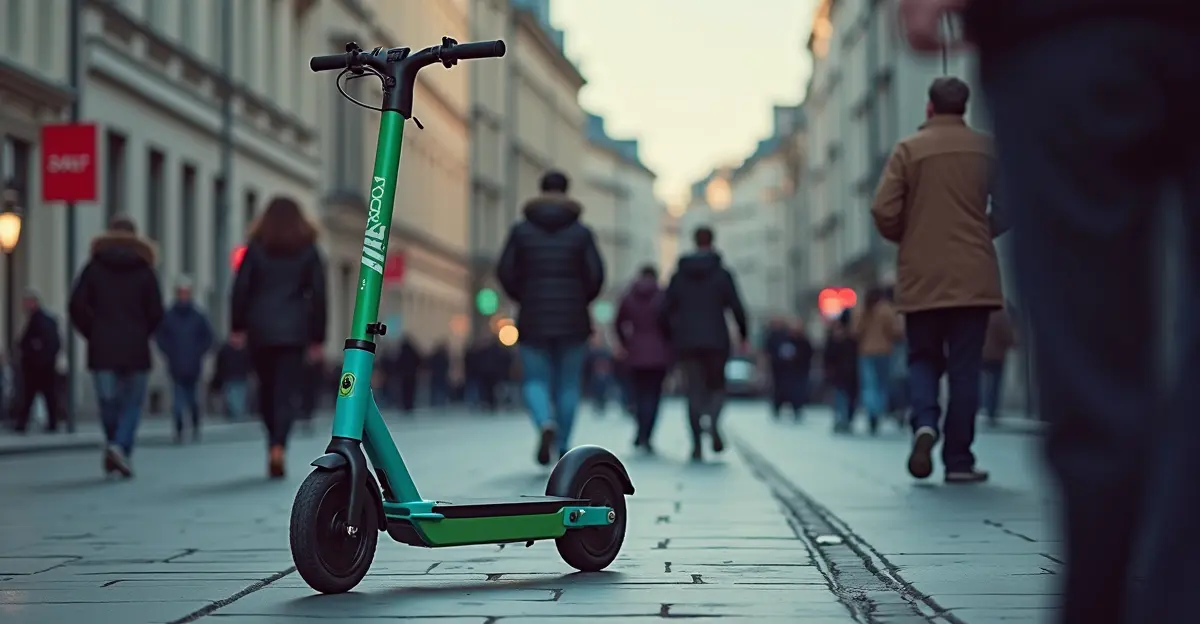
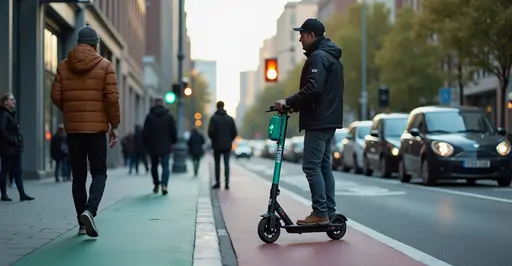
Major cities across the US are implementing stricter electric scooter regulations in 2025, introducing mandatory speed limits, helmet requirements, and designated riding lanes. These changes follow a surge in scooter-related accidents and pedestrian complaints about sidewalk clutter.
Key Safety Measures
New rules include:
- 15-20 mph speed caps in urban areas
- Mandatory helmet use for riders under 18
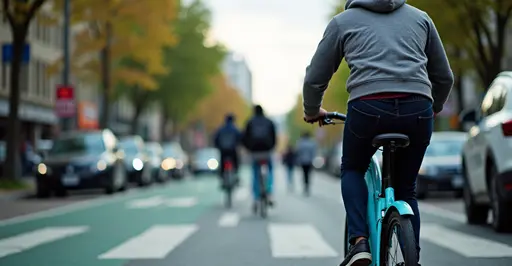
- Designated scooter lanes separating riders from traffic
- Nighttime lighting requirements
- Parking restrictions near hospitals and transit hubs
According to recent data from Unagi's 2025 scooter law guide, 32 states now classify e-scooters similarly to bicycles with specific motor power limitations (under 1000W) and weight restrictions (under 100 lbs).
Enforcement Challenges
Police departments report difficulties monitoring compliance. "The biggest issue is rental scooters," says NYPD Traffic Division Chief Michael Torres. "Tourists grab them without reading local rules. We're working with companies on geofencing technology to automatically reduce speeds in restricted zones."
Industry Response
Scooter-sharing companies like Bird and Lime have introduced app features showing permitted riding zones and helmet selfie verification. However, some cities like Philadelphia maintain complete bans, while Pittsburgh runs limited pilot programs.
State-by-State Variations
Regulations vary significantly:
- California requires driver's licenses and 15mph limits
- Texas permits sidewalk riding in most counties
- Pennsylvania prohibits road use entirely
- Hawaii mandates $30 registration fees
Experts warn riders to check local ordinances, as 68% of cities updated their micromobility laws in the past year.
Future of Urban Mobility
Urban planner Dr. Elena Martinez notes: "These regulations acknowledge scooters as permanent transit options. The next phase involves infrastructure - cities are allocating $2.3 billion for protected lanes in 2025 alone."

Follow Discussion