


 Deutsch
 English
 Español
 Français
 Nederlands
 Português


 Share





A critical PHP flaw discovered in late October 2026 forced governments and companies across Europe, Asia, and North America to take websites offline while they applied emergency patches. The two vulnerabilities, collectively known as PHP2Shell, affect the open-source language that powers roughly 70% of all websites, according to the PHP Foundation.
What is the PHP2Shell Vulnerability?
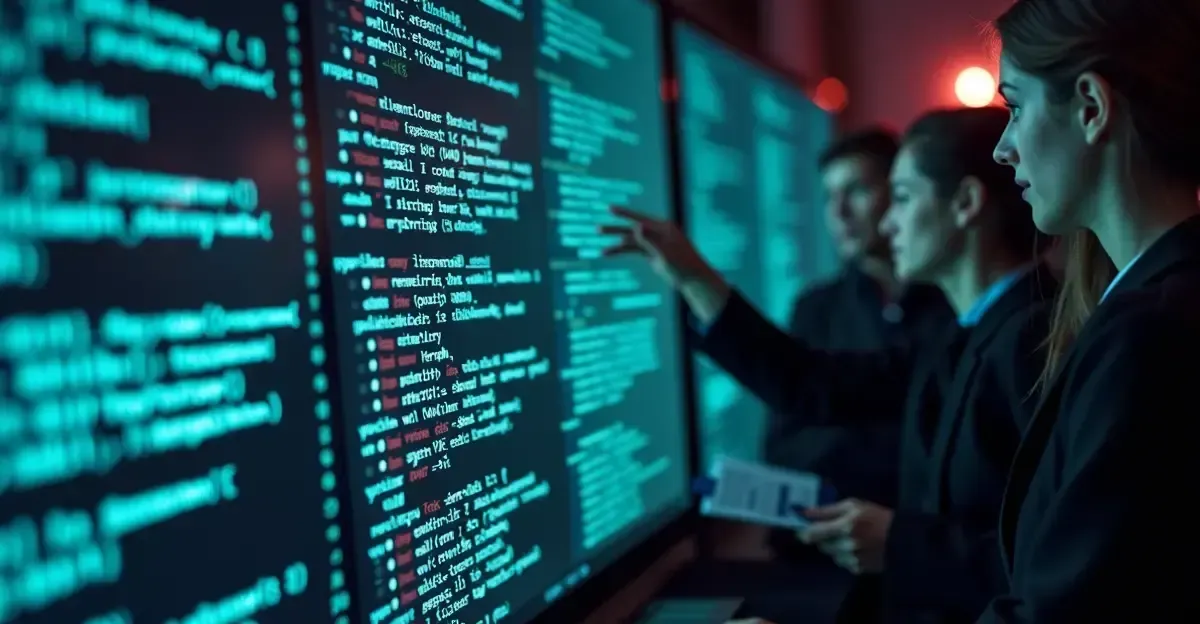
The PHP Foundation disclosed two remote code execution flaws—CVE-2026-109618 and CVE-2026-109619—on 21 October 2026. Both carry a CVSS score of 9.2 and allow unauthenticated attackers to run arbitrary code on vulnerable servers. The bugs have existed since PHP 5.4 and were discovered with the help of AI models, making them the most significant PHP vulnerabilities ever found by AI, according to the foundation.
Emergency Patching and Global Response
Authorities including the NSA, FBI, the UK's NCSC, and agencies in Singapore, Australia, Canada, and the EU urged administrators to patch immediately or take systems offline. The UK issued tens of thousands of alerts to identify exposure. Several government portals—Overheid.nl, DigiD, the Port of Rotterdam, Finland's Valtori, and the Paris police prefecture—went dark as a precaution. The Wikimedia Foundation also briefly suspended services before returning after patching.
Which Systems Are Affected?
PHP versions 5.4 through 8.5.11 are affected. Patches were released the same day in PHP 8.5.12, 8.4.27, 8.3.36, and 8.2.35. Apache with mod_php is the most exposed configuration, though PHP-FPM, php-cgi, FrankenPHP, and LiteSpeed may also be vulnerable. Organizations should inventory PHP installations, prioritize internet-facing systems, apply updates, verify containers, and review logs for signs of exploitation.
How Attackers Exploited the Flaw Before Disclosure
Amazon's MadPot threat intelligence team detected exploitation attempts four days before the public warning. Cloudflare reported millions of exploit attempts within hours of disclosure. Cloudflare's Dane Knecht cautioned that firewall rules are only a stopgap and that patching remains essential.
Impact and Implications
The coordinated takedowns underscore the fragility of foundational internet software. With PHP powering nearly 70% of websites, a single set of flaws can disrupt public services, e-commerce, and media. Slow-updating shared hosting environments and end-of-life PHP versions remain at ongoing risk. No publicly verified successful compromises had been confirmed as of Friday, 23 October 2026, but security teams continue to hunt for signs of intrusion.
FAQ: PHP2Shell Emergency Patching
What is PHP2Shell?
PHP2Shell is the nickname for two critical PHP vulnerabilities, CVE-2026-109618 and CVE-2026-109619, that allow unauthenticated remote code execution.
Which PHP versions are vulnerable?
All versions from 5.4 through 8.5.11. Patched releases are 8.5.12, 8.4.27, 8.3.36, and 8.2.35.
Why were websites taken offline?
Many organizations shut down affected services as a precaution to prevent exploitation before applying emergency patches, following guidance from the NSA, FBI, NCSC, and other agencies.
Has the flaw been actively exploited?
Amazon detected honeypot exploit attempts before public disclosure, and Cloudflare saw millions of attempts after disclosure, but no publicly verified successful compromises had been confirmed as of Friday, 23 October 2026.
How do I protect my PHP server?
Update to a patched version immediately, inventory PHP installations, prioritize internet-facing systems, and review logs for suspicious activity.
Conclusion
The PHP2Shell incident is a reminder that the web's underlying infrastructure is often maintained by a small group of volunteers and foundations. While the emergency patching effort has been broad, long-term resilience will require better funding, faster update adoption, and deeper use of AI-driven vulnerability discovery.


Follow Discussion