


 Deutsch
 English
 Español
 Français
 Nederlands
 Português


 Share
Share




American Climber Smashes Mount Everest Speed Record
American ultra-runner and mountaineer Tyler Andrews has claimed a new speed record for the fastest ascent of Mount Everest using supplemental oxygen, reaching the summit in just 9 hours and 55 minutes on May 28, 2026. The 36-year-old athlete from Concord, Massachusetts, shattered the previous record of 10 hours and 56 minutes set by Nepali climber Lhakpa Gelu Sherpa in 2003, shaving off 61 minutes from the long-standing mark. The record, which requires formal verification by Nepal's mountaineering authorities, was tracked via GPS and witnessed by support teams from Asian Trekking.
How the Record Was Set
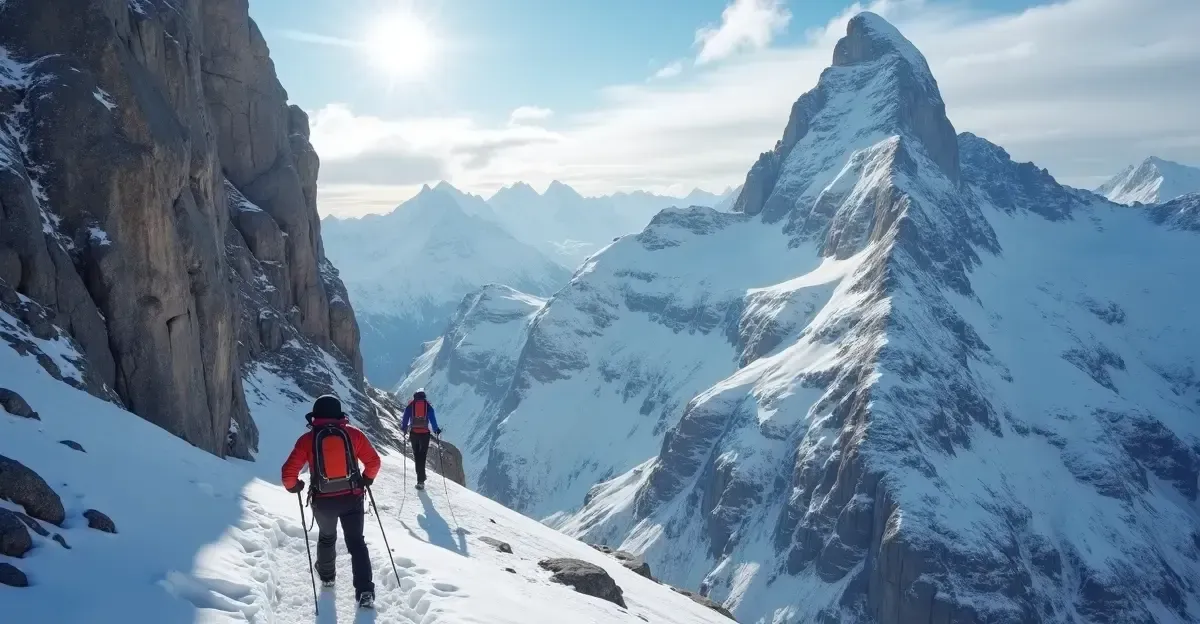
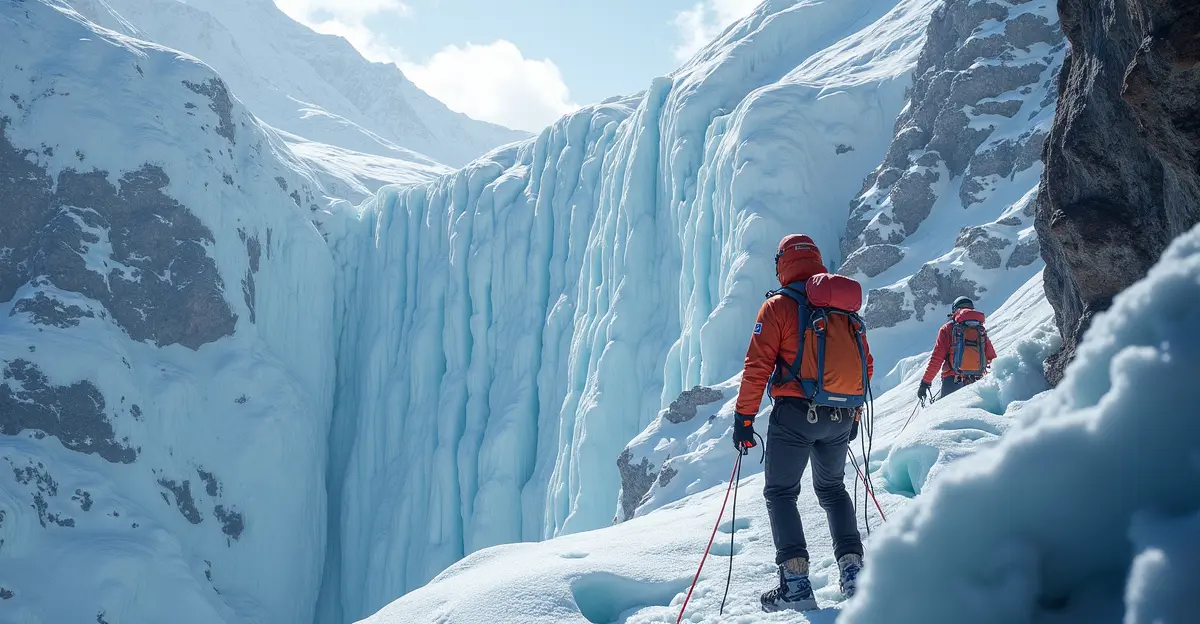
Andrews began his solo climb from Everest Base Camp (5,364 meters) at 7:11 p.m. local time on May 27, choosing a night ascent to avoid the worst of the daytime heat and crowds. Climbing through the darkness, he passed through the treacherous Khumbu Icefall, Camps 1 through 4, and the South Col before reaching the summit at 5:06 a.m. on May 28. He used supplemental oxygen starting at Camp 2, supplied by two Sherpa guides who provided oxygen bottles, water, and food along the route.
Andrews' round-trip time from Base Camp to summit and back to Base Camp was 16 hours and 32 minutes, believed to be the first oxygen-assisted round-trip speed record ever documented. The fastest Mount Everest ascents without oxygen remain a separate category, with the current record of 22 hours and 29 minutes held by Marc Batard since 1988.
Previous Attempts and Preparation
This successful climb was Andrews' fifth attempt at an Everest speed record across the 2025 and 2026 seasons. Earlier in May 2026, he attempted to break the record without supplemental oxygen but was forced to turn back at approximately 27,500 feet due to vision problems caused by high altitude. Three other attempts in spring 2025 were foiled by poor weather, oxygen system failures, and gear malfunctions.
Andrews, a childhood survivor of aplastic anemia, has built an extraordinary career in mountain athletics. He holds over 85 mountain speed records, including Fastest Known Times (FKTs) on Manaslu, Ama Dablam, Kilimanjaro, and Aconcagua. In December 2025, he set a world record for Everesting on a treadmill, climbing 8,848 vertical meters on a 20 percent incline in 8 hours and 17 minutes at a La Sportiva store in Boulder, Colorado.
Controversy and Verification
Speed records on Everest have historically been subject to dispute. In 2004, Pemba Dorji Sherpa claimed an ascent in 8 hours and 10 minutes, but the record was later withdrawn after Nepal's Supreme Court ruled the documentation unverifiable due to lack of photographic evidence and poor weather conditions on the claimed day. The court officially awarded the verified record to Lhakpa Gelu Sherpa's 2003 time of 10 hours and 56 minutes.
To avoid similar controversy, Andrews' team provided comprehensive GPS tracking data, photographs, and witness statements. Nepal's Department of Tourism will review the evidence before officially certifying the record. The Mount Everest record verification process has become more rigorous in recent years, with authorities demanding multiple forms of proof.
Record-Breaking 2026 Everest Season
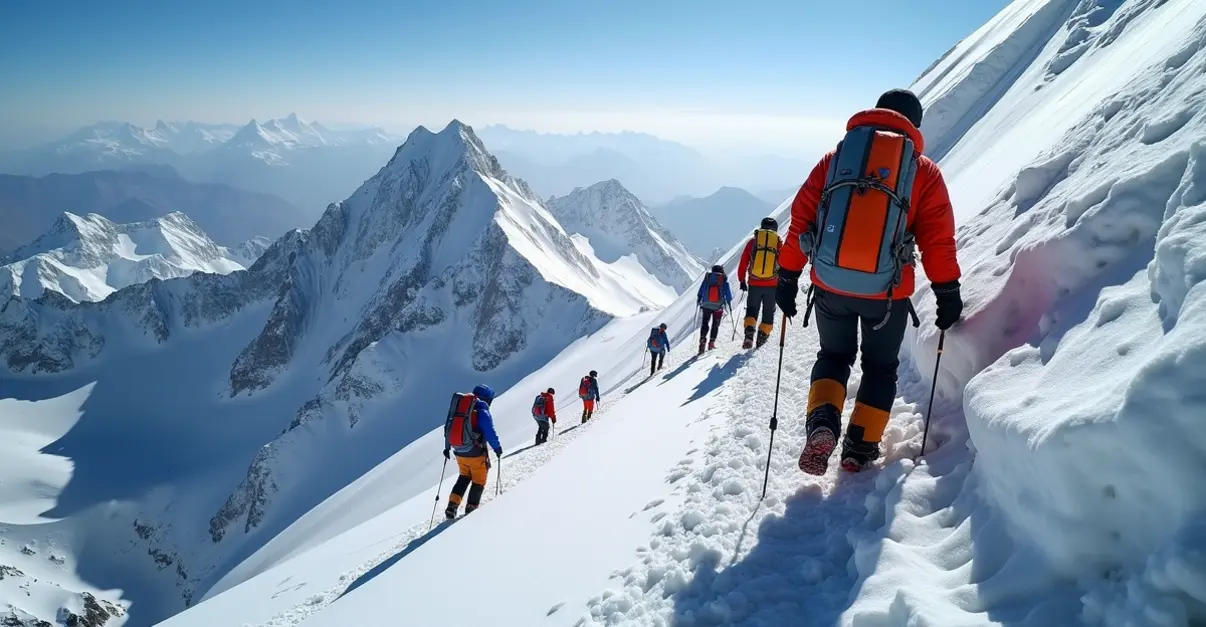
Andrews' achievement comes during an extraordinary spring season on Everest. Nepal issued a record 494 climbing permits to foreign nationals, generating over $6 million in permit fees alone. More than 950 climbers have reached the summit so far, the highest single-season total in history. On May 20, a record 274 climbers summited in a single day from the Nepal side, surpassing the previous record of 223 set in 2019.
Other notable records this season include Kami Rita Sherpa extending his own record for most Everest ascents to 32 climbs, and Lhakpa Sherpa breaking the women's record with her 11th summit. A Russian climber without legs also reached the summit for the first time, moving on his hands and using two sticks over approximately one week.
However, the season has also seen tragedy. Five climbers have died on Everest this spring, including two Indian clients who perished during their descent after summiting. The narrow weather window, compressed by a massive unstable serac that blocked the Khumbu Icefall for nearly three weeks, forced hundreds of climbers into a dangerously short summit period, raising concerns about overcrowding in the Death Zone above 8,000 meters.
Philanthropy and Purpose
Andrews undertook his record attempt not only for personal achievement but to raise funds for youth sports programs. Through his Chaski Foundation, a 501(c)(3) nonprofit, he aims to support young athletes in Ecuador and Nepal who lack access to coaching, equipment, and competition opportunities. The project is dedicated to Greg Krupa, a friend and supporter of the foundation who passed away in April 2026.
"This climb is about more than a record," Andrews said in a statement from Base Camp. "It's about showing young people in Nepal and Ecuador that with hard work and determination, they can achieve things that seem impossible."
The impact of Everest speed records on local communities has been a topic of discussion among mountaineering experts, with some arguing that the focus on speed detracts from the cultural and environmental significance of the mountain.
What's Next for Tyler Andrews
Andrews has indicated that he may return to Everest in future seasons to attempt the record without supplemental oxygen, which remains one of the most coveted achievements in high-altitude mountaineering. A feature-length documentary about his Project Himalaya is expected to be released in late 2026, chronicling his multiple attempts and the physical and mental challenges of speed climbing the world's highest peak.
FAQ: Mount Everest Speed Records
What is the fastest Everest ascent with oxygen?
The fastest verified oxygen-assisted ascent is now claimed by Tyler Andrews at 9 hours and 55 minutes (pending official verification), surpassing Lhakpa Gelu Sherpa's 2003 record of 10 hours and 56 minutes.
What is the fastest Everest ascent without oxygen?
The fastest ascent without supplemental oxygen is 16 hours and 45 minutes, set by Hans Kammerlander in 1996. Marc Batard's 1988 time of 22 hours and 29 minutes is also recognized.
How long does a typical Everest climb take?
A standard guided expedition takes approximately two months, including weeks of acclimatization rotations between Base Camp and higher camps before a summit push.
How are Everest speed records verified?
Records are verified through GPS tracking data, photographic evidence, witness statements, and review by Nepal's Department of Tourism. The process can take weeks or months.
Who holds the most Everest summits?
Kami Rita Sherpa of Nepal holds the record with 32 ascents as of May 2026. Lhakpa Sherpa holds the women's record with 11 summits.
Sources
This article is based on reporting from NOS, CBS News, iRunFar, Outside Online, the Himalayan Times, and official statements from Tyler Andrews' team and Asian Trekking. Data on Everest 2026 season statistics courtesy of Nepal's Department of Tourism and Alliance Treks.

Follow Discussion