


 Deutsch
 English
 Español
 Français
 Nederlands
 Português

 Share





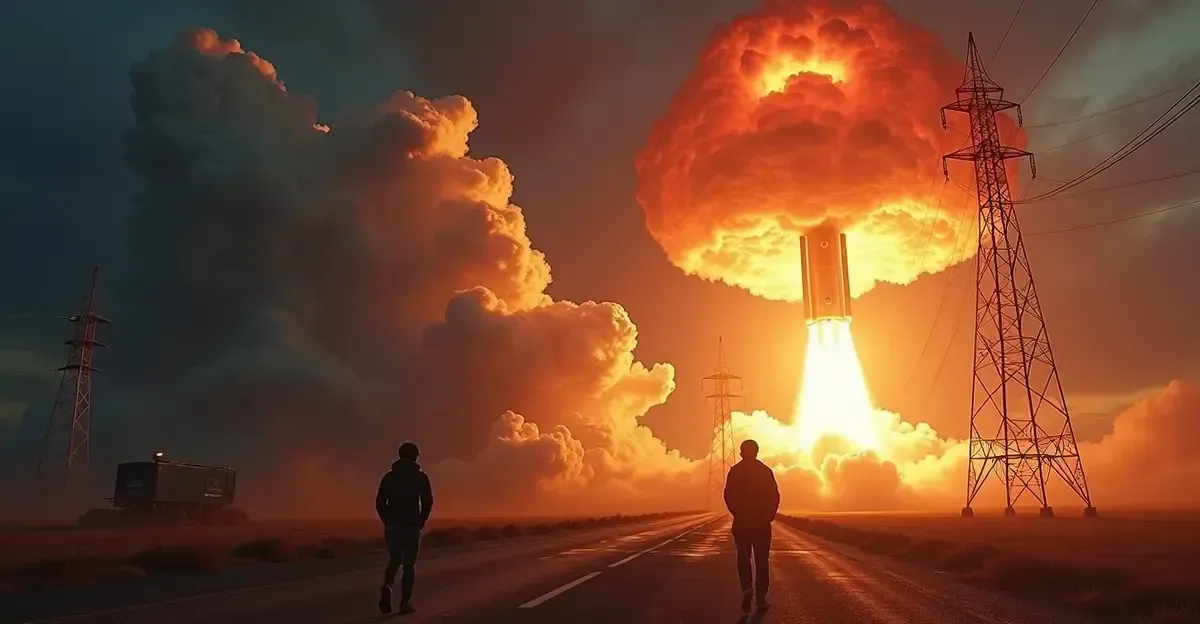
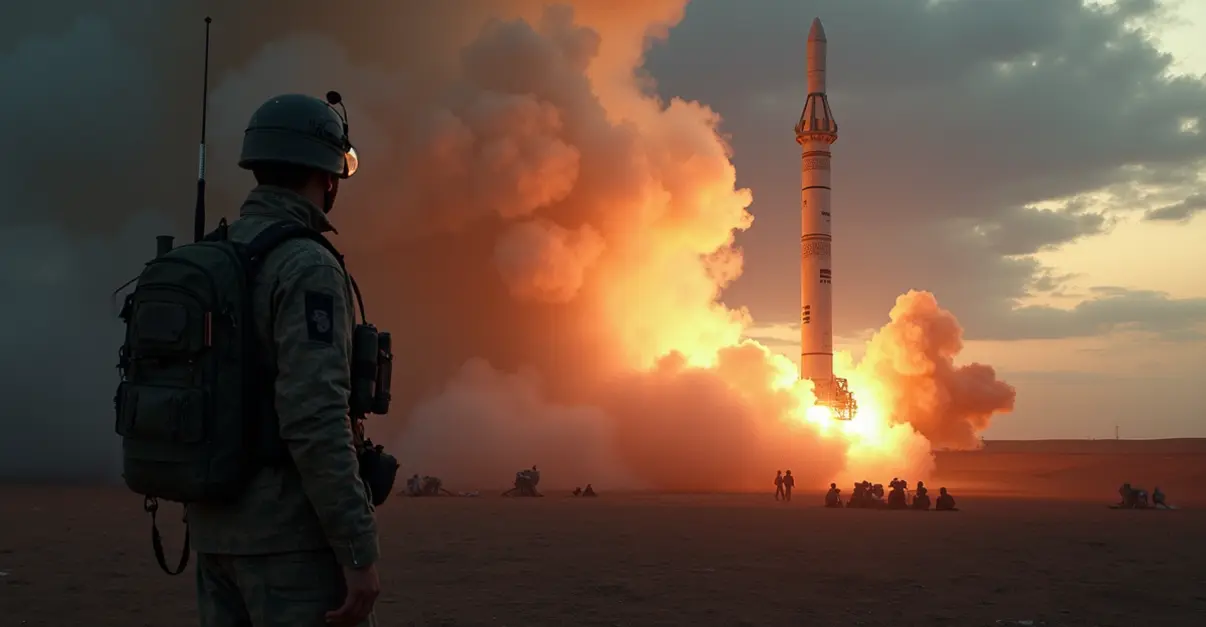
Western intelligence services assess that Russia is preparing a Russia nuclear space weapon program involving a satellite armed with a nuclear warhead, according to German media reports and military experts. The reports, first published by Süddeutsche Zeitung and confirmed by other outlets, suggest Moscow could launch the system as early as 2026. The warnings have raised alarm across NATO capitals about a potential new arms race in orbit.
What is Russia's nuclear space weapon plan?
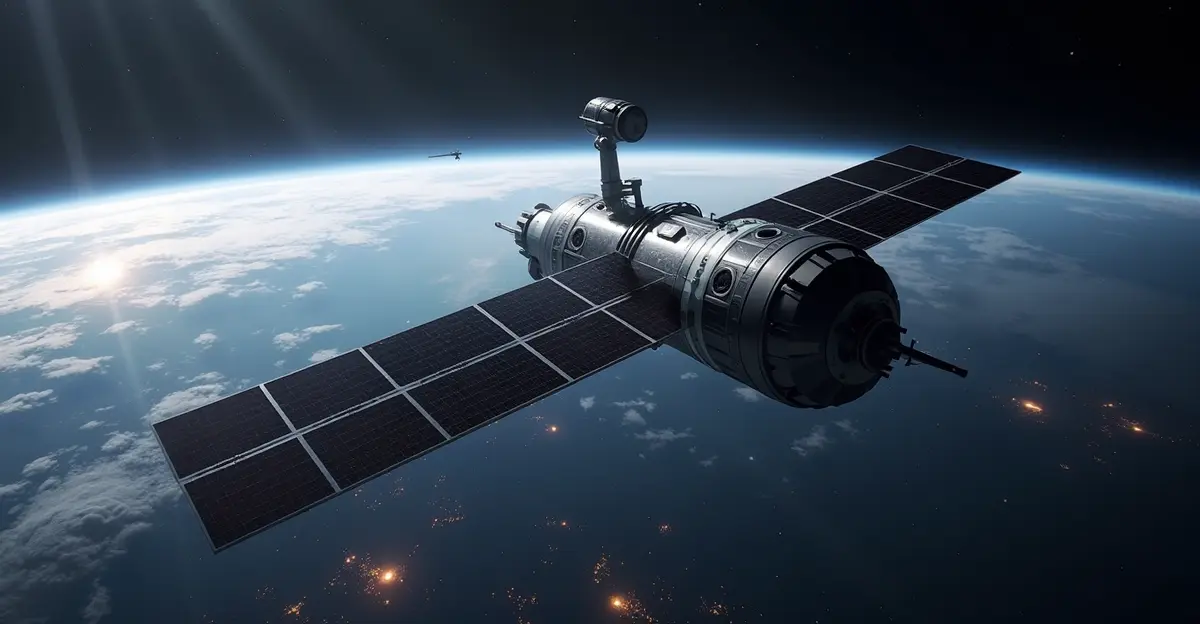
German military officials have reportedly briefed politicians, including Defense Minister Boris Pistorius, on intelligence indicating Russia wants to deploy a satellite known as Sputnik-S with an atomic warhead. The U.S. Defense Intelligence Agency (DIA) warned in July 2026 that nuclear-armed states could deliver such weapons by rocket or satellite and detonate them in space.
Russia has not confirmed the reports. Kremlin spokesperson Dmitry Peskov dismissed them, saying: In these reports the words 'would' and 'possibly' appear so often that I find it hard to take them seriously.
This follows the Russia satellite weapon programs that Western analysts have tracked for years, including maneuverable spacecraft capable of approaching other satellites.
How would a nuclear explosion in space affect satellites and Earth?
A space-based nuclear detonation would create a massive electromagnetic pulse (EMP) and release ionizing radiation that can disable or destroy satellites. The DIA has warned of widespread electromagnetic disruptions in orbit and on Earth, potentially knocking out GPS, communications, and power grids.
The historical reference is the U.S. Starfish Prime test in 1962, when a 1.4-megaton warhead was detonated about 400 kilometers above the Pacific Ocean. Defense expert Patrick Bolder of The Hague Centre for Strategic Studies described the result: Streetlights in Hawaii, roughly 1,500 kilometers from the epicenter, went out, and a telephone operator lost his connections. For days, an artificial aurora was visible over Hawaii, and several nearby satellites were destroyed by the electromagnetic pulse.
Why is space so critical for modern warfare?
Modern militaries depend on satellites for communication, navigation, targeting, and observation. German military space commander Schäfer told WDR that a satellite attack would disrupt GPS systems and battlefield communication. We would then naturally not be able to react as precisely and quickly, he said. We will have greater problems finding our targets.
Patrick Bolder added that controlling the space domain is now a precondition for military advantage. The restriction of Ukraine Starlink satellite access in 2025 and 2026 has already shown how losing satellite connectivity can degrade air-defense and drone operations.
Impact and Implications
A successful space nuclear detonation would not only affect military systems. German public broadcaster WDR reports that navigation systems and electricity supplies could suffer damage, with knock-on effects for food distribution. Expert Philipp Jan Schäfer of the Helmut-Schmidt University in Hamburg warned: In the worst-case scenario, it comes to looting and unrest that we only know from disaster films.
The legal dimension is equally significant. Russia is the successor to the Soviet Union, which signed the 1967 Outer Space Treaty, but Moscow voted against extending the agreement at the United Nations in 2024. This has deepened concerns about the militarization of outer space and the erosion of arms-control norms.
Frequently Asked Questions
Is Russia actually launching a nuclear weapon into space?
Western intelligence assessments suggest Russia is preparing to do so as early as 2026, but no confirmed launch has been reported.
What treaty prohibits nuclear weapons in space?
The 1967 Outer Space Treaty bans weapons of mass destruction in orbit. The Soviet Union signed it; Russia voted against its extension at the UN in 2024.
What happened during the 1962 Starfish Prime test?
A U.S. nuclear explosion about 400 kilometers above the Pacific disabled streetlights and phone lines in Hawaii, created an artificial aurora, and destroyed nearby satellites.
How could a space nuclear detonation affect daily life?
It could disrupt GPS, electricity supplies, navigation systems, and food distribution, potentially leading to social unrest in worst-case scenarios.
Why does Russia want to militarize space?
Experts say Russia seeks to display power, deny adversaries satellite-based advantages, and counter Western reliance on space for communications, navigation, and observation.

Follow Discussion