


 Deutsch
 English
 Español
 Français
 Nederlands
 Português


 Share
Share




NASA Moon Base Guide: $20B Lunar South Pole Settlement Explained
NASA has announced a historic $20 billion plan to establish a permanent moon base near the lunar south pole by the early 2030s, marking a fundamental shift in American space exploration strategy. In a major policy reversal announced on March 24, 2026, the space agency is canceling its Lunar Gateway space station program to focus entirely on building surface infrastructure for sustained human presence on the Moon.
What is NASA's Moon Base Plan?
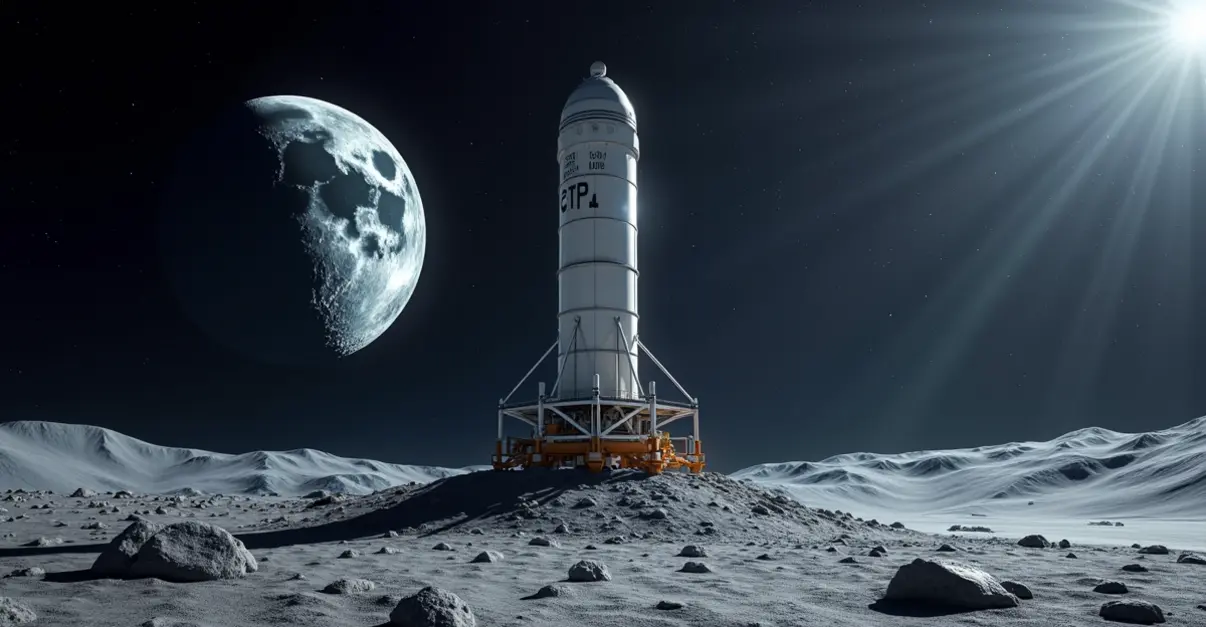
The NASA moon base represents a complete departure from the Apollo-era 'flags and footprints' approach to lunar exploration. Instead of brief visits, NASA aims to establish a semi-permanent settlement where astronauts can live and work for extended periods. The $20 billion investment over seven years will fund the construction of pressurized habitats, nuclear power systems, and essential infrastructure at the lunar south pole - a region rich in water ice that could support future missions.
Why Cancel the Lunar Gateway?
NASA Administrator Jared Isaacman announced the strategic pivot, stating: 'It would surprise no one that we are pausing the development of the Gateway in its current form and focusing on surface infrastructure.' The Lunar Gateway, an orbiting space station that had been in development for years with international partners including the European Space Agency and Japan, will be 'paused' indefinitely. This decision reflects a space race with China that has accelerated NASA's timeline for establishing surface operations.
Three-Phase Construction Timeline
NASA's moon base construction follows a carefully planned three-phase approach:
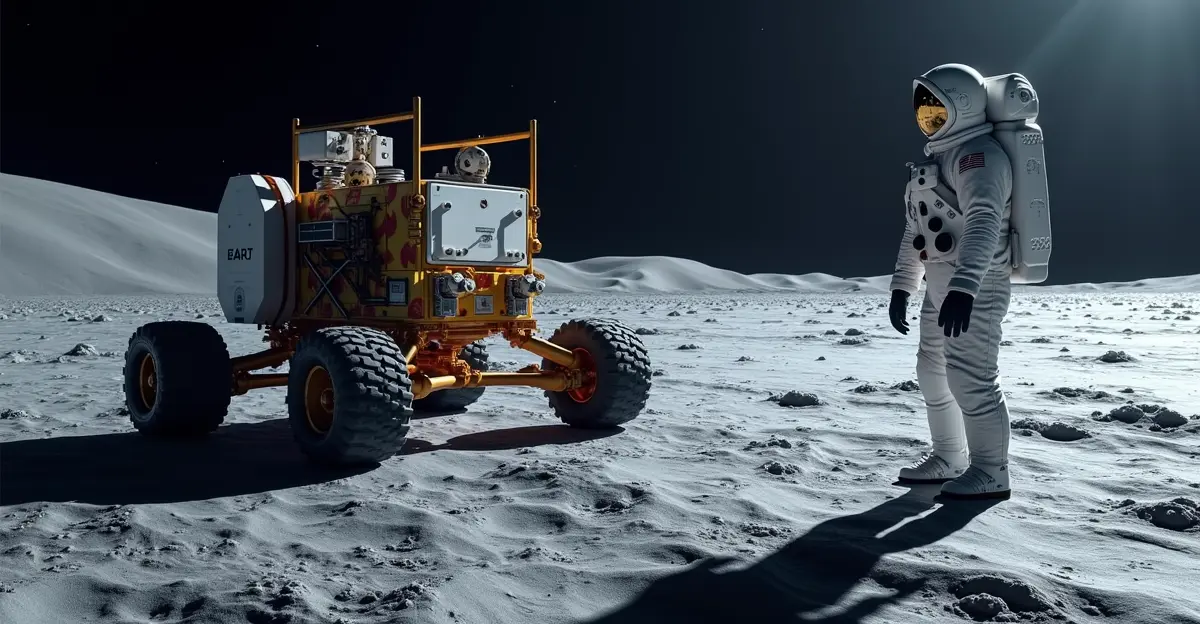
- Phase 1 (2026-2028): Focus on transportation systems and technology testing, including new lunar rovers, nuclear power systems, and communication infrastructure. Commercial partners like SpaceX and Blue Origin will handle cargo transport.
- Phase 2 (2029-2031): Begin construction of semi-permanent habitats with two crewed missions per year. International partners including Italy's ASI will contribute modules based on their ISS experience.
- Phase 3 (2032 onward): Establish fully habitable base with long-term astronaut occupation, regular resupply by robotic landers, and expanded scientific operations.
Lunar South Pole: The Strategic Location
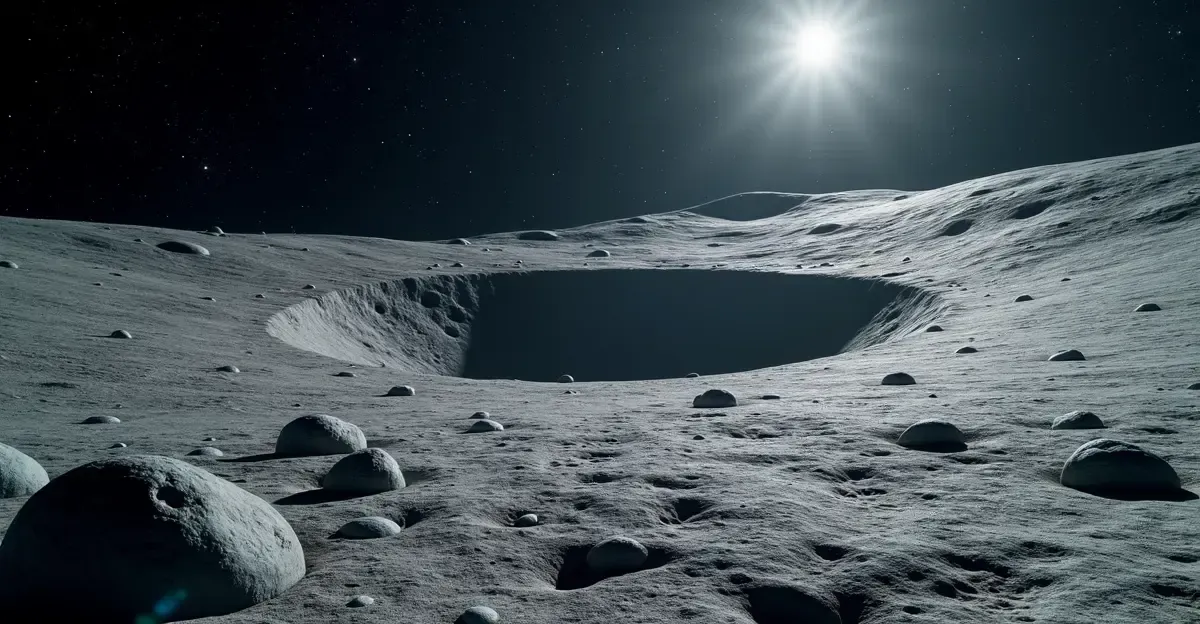
The choice of the lunar south pole is scientifically and strategically significant. This region contains permanently shadowed craters that harbor water ice - a critical resource for life support and rocket fuel production. NASA's Artemis IV mission in 2028 will conduct the first crewed landing in this area, scouting potential base locations. The Artemis program timeline has been accelerated to meet this ambitious schedule.
Key Technological Components
The moon base will incorporate several advanced systems:
- Nuclear Power Systems: Providing reliable energy for habitats and scientific equipment
- Pressurized Habitats: Built by international partners including Italy's Thales Alenia Space
- Commercial Transport: SpaceX and Blue Origin developing Human Landing Systems
- Water Extraction Technology: Mining lunar ice for oxygen and hydrogen production
Impact on International Space Partnerships
The cancellation of the Lunar Gateway has significant implications for NASA's international partners. While the Gateway program involved contributions from Europe, Japan, Canada, and others, NASA plans to repurpose existing hardware for surface infrastructure. Italian space agency ASI, which was building the I-Hab module for Gateway, will now focus on surface habitat modules instead. This shift represents a major realignment of international space cooperation priorities.
Artemis Mission Updates
NASA's immediate focus remains on the upcoming Artemis II mission, scheduled for launch on April 1, 2026. This will be the first crewed lunar mission since 1972, sending four astronauts on a lunar flyby. The success of Artemis II is crucial for validating systems needed for the moon base program. Subsequent missions will test landing systems and begin surface operations in preparation for base construction.
Frequently Asked Questions
When will NASA's moon base be operational?
NASA plans to begin semi-permanent occupation in 2032, with the base becoming fully operational for long-term stays shortly thereafter.
Why is NASA canceling the Lunar Gateway?
The Gateway cancellation allows NASA to redirect $20 billion toward more immediate surface infrastructure, accelerating the timeline for establishing a permanent presence on the Moon.
How much will the moon base cost?
The total estimated cost is $20 billion spread over seven years, representing a reallocation of existing Artemis program funding.
Where exactly on the Moon will the base be located?
The base will be situated near the lunar south pole in areas with confirmed water ice deposits and near-permanent sunlight for solar power generation.
What happens to the Artemis program now?
The Artemis program continues but with accelerated timelines and redirected focus toward surface operations rather than orbital infrastructure.



Follow Discussion