


 Deutsch
 English
 Español
 Français
 Nederlands
 Português


 Share
Share




The Vision for Permanent Lunar Living
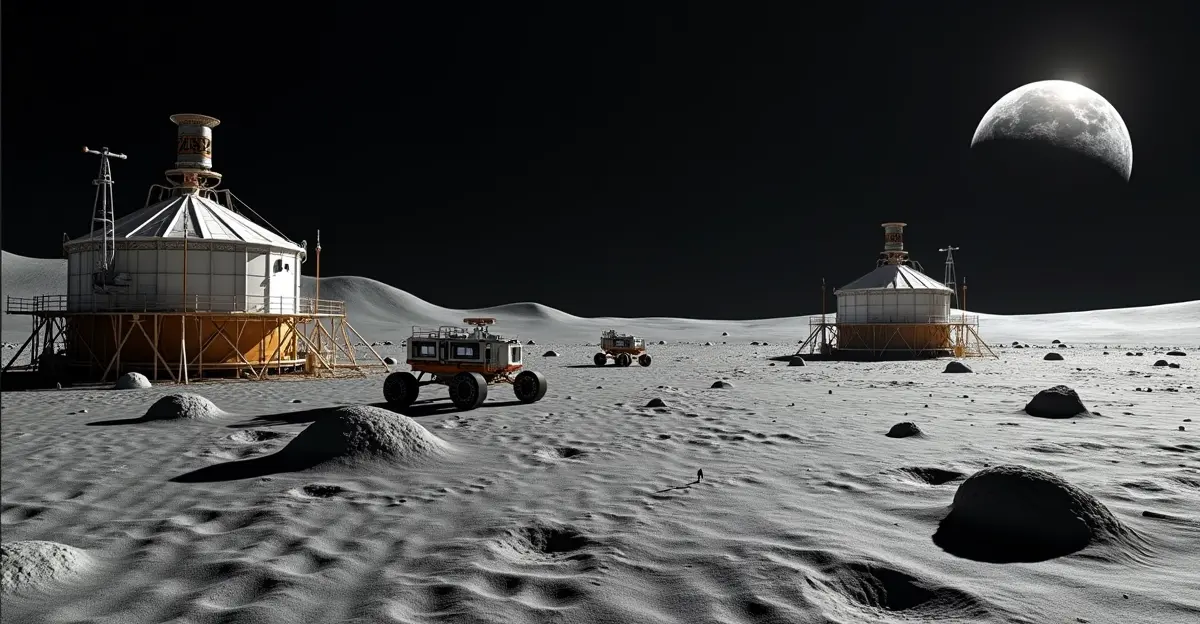
NASA is spearheading an ambitious international effort to establish a permanent human settlement on the Moon. Dubbed the "Moon Village," this initiative represents a major shift from temporary lunar missions to creating sustainable infrastructure for long-term habitation and research. The concept gained momentum after former ESA Director General Johann-Dietrich Wörner first proposed it as a collaborative model for space exploration.
Global Collaboration Efforts
The Moon Village Association (MVA), founded in 2017, has become the central hub coordinating this multinational effort. Over 30 countries and numerous private space companies have joined the initiative, with NASA's Artemis program serving as the technical backbone. Key partners include ESA, JAXA (Japan), CSA (Canada), and emerging space nations like the UAE.
"The Moon Village isn't about national flags but shared human achievement," says MVA President Giuseppe Reibaldi. "We're creating frameworks for countries and companies to contribute their unique capabilities - whether it's life support systems from Europe or landing technology from Japan."
Shackleton Crater: The Chosen Location
After extensive analysis, the rim of Shackleton Crater at the lunar south pole has been selected as the primary settlement site. This location offers critical advantages:
- Near-permanent sunlight for solar power generation
- Access to water ice in permanently shadowed regions
- Relatively stable surface temperatures
Architectural concepts developed by XTEND Design envision 3D-printed structures using lunar regolith, combined with inflatable habitats. The first phase will establish power systems and communication networks by 2028, with crew rotations beginning in the early 2030s.
Upcoming Milestones
The 9th Global Moon Village Workshop in Turin this December will address key challenges:
- Standardizing docking interfaces between international modules
- Developing sustainable life support systems
- Creating legal frameworks for lunar operations
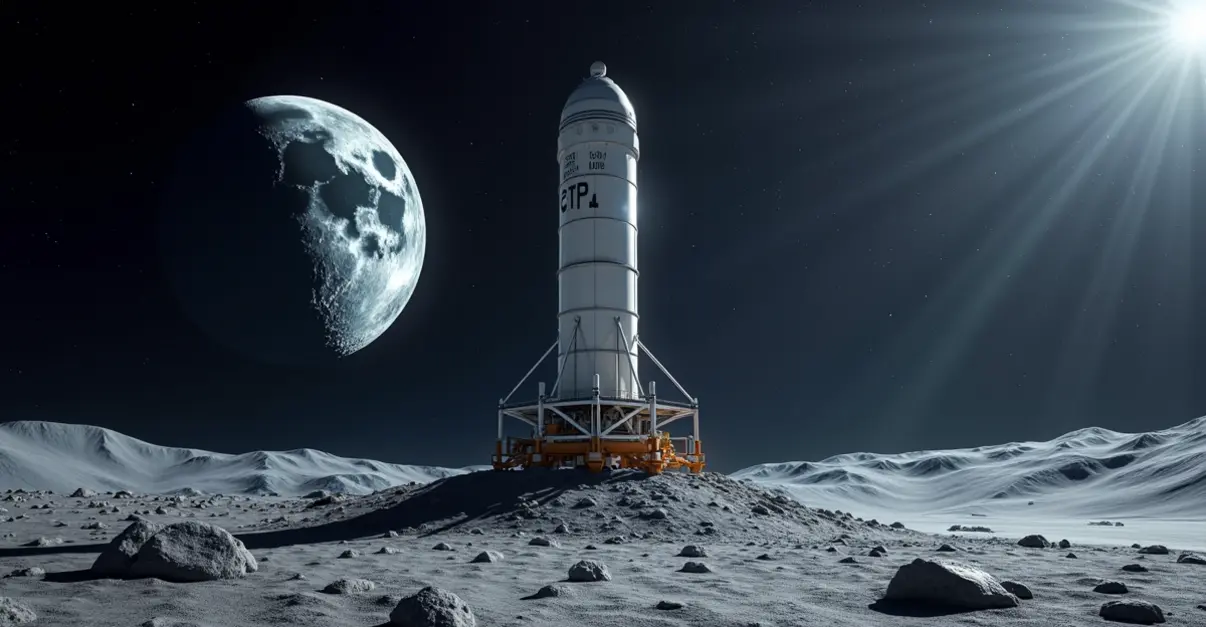
Meanwhile, NASA's Artemis III mission (planned for 2026) will conduct crucial reconnaissance at the proposed site, testing technologies for extracting water ice - a vital resource for oxygen and rocket fuel production.



Follow Discussion