Nederlands
 English
 Deutsch
 Français
 Español
 Português





Tech Billionaire Poised to Take Helm at NASA
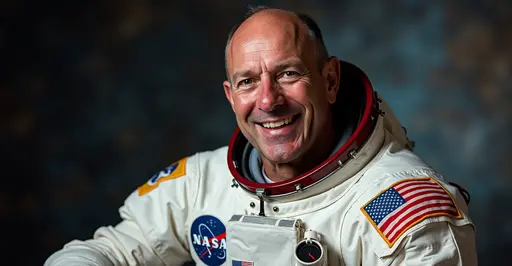
Jared Isaacman, the billionaire entrepreneur and commercial astronaut, is on track to become the next NASA administrator after a Senate committee approved his nomination late Monday night. The 42-year-old founder of payment processor Shift4 Payments would replace interim administrator Sean Duffy, taking leadership of the space agency at a critical juncture as it faces budget cuts, Artemis program delays, and intensifying competition with China.
The Senate Commerce, Science and Transportation Committee voted 18-10 to advance Isaacman's nomination to the full Senate, with all 15 Republican members and three Democrats supporting his confirmation. This marks the second time the committee has approved Isaacman's nomination, having previously done so in April before President Trump unexpectedly withdrew the nomination in May.
A Rocky Path to Confirmation
Isaacman's journey to the NASA leadership has been anything but smooth. Initially nominated by then President-elect Trump in December 2024, his nomination was withdrawn in May 2025 amid concerns about his past Democratic ties and close relationship with SpaceX CEO Elon Musk. 'The president said he changed his mind because of Isaacman's ties to Democrats in the past,' according to sources familiar with the matter.
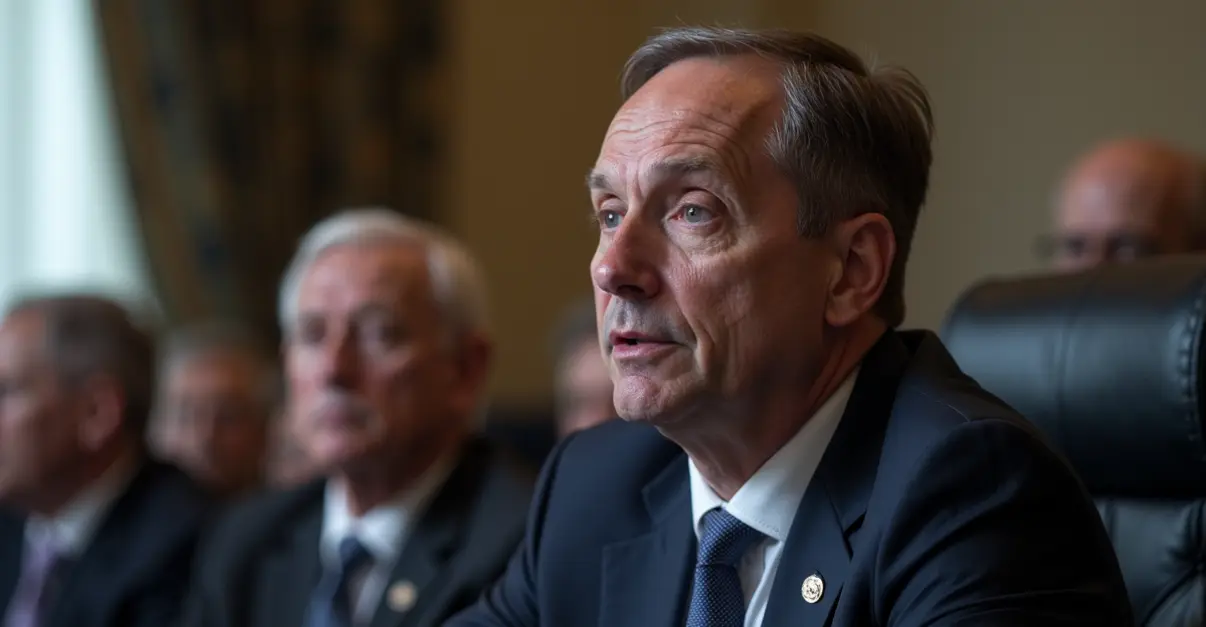
During confirmation hearings, Isaacman faced tough questions about his relationship with Musk, given SpaceX's crucial role in NASA's Artemis moon program. 'I've had a lot of contact with the CEO of SpaceX because of the commercial space flights I made with Dragon,' Isaacman testified. 'But let me be clear: under my leadership, there will be no preferential treatment for SpaceX because of my collaboration with the company.'
The billionaire's space credentials are impressive: he commanded the first all-civilian orbital mission, Inspiration4, in 2021, and became the first private citizen to perform a spacewalk during the Polaris Dawn mission in 2024. He funded these commercial missions largely out of his own pocket, demonstrating both his commitment to space exploration and his substantial personal resources.
NASA's Mounting Challenges
Isaacman would inherit an agency facing significant headwinds. The White House's proposed Fiscal Year 2026 budget includes a 24.3% cut to NASA, reducing funding from $24.8 billion to $18.8 billion. These cuts would eliminate key Artemis program elements, including the Space Launch System rocket and Orion spacecraft after Artemis 3, and cancel the Gateway lunar space station.
Meanwhile, the Artemis program faces serious technical challenges. Former NASA Administrator Mike Griffin recently testified that NASA's current plan for sustainable lunar exploration 'cannot work' due to its reliance on unproven orbital refueling technology requiring numerous flights. Griffin advocated canceling Artemis III and beyond, suggesting a restart with a more Apollo-like approach.
The race against China adds urgency to NASA's mission. China has successfully tested its Lanyue lunar lander in 2025 and is developing the Mengzhou crew vehicle, with plans to land taikonauts by 2030. 'This is no time for delay, but for action,' Isaacman said during his confirmation hearing. 'If we fall behind, if we make a mistake, we may never be able to catch up, and that could have consequences for the balance of power here on Earth.'
Commercialization and Controversy
Isaacman has indicated he wants to 'streamline' NASA by commercializing more activities. In a leaked document, he outlined ideas for NASA's future that included terminating the Space Launch System and Gateway programs. His approach has drawn both praise from those seeking more private sector efficiency and criticism from those concerned about preserving NASA's scientific mission.
The relationship between NASA and SpaceX has been particularly contentious. Interim administrator Sean Duffy clashed with Elon Musk in October over the Starship lunar lander contract, with Musk calling Duffy a 'dummy' on X (formerly Twitter). Duffy had wanted to open the contract to competition from other companies like Blue Origin, concerned that SpaceX's Starship wouldn't be ready for the planned 2028 lunar landing.
According to SpaceNews, Isaacman's nomination now moves to the full Senate, where he's expected to be confirmed before year's end. His confirmation would mark a significant shift toward private sector leadership at NASA, reflecting the growing role of commercial space companies in America's space ambitions.
As Isaacman prepares to take the helm, the space community watches closely. His unique combination of entrepreneurial experience, personal spaceflight history, and substantial personal wealth could either revitalize NASA or create new tensions within the agency. What's certain is that the coming years will be crucial for America's space program, with implications reaching far beyond Earth's atmosphere.