Deutsch
 English
 Español
 Français
 Nederlands
 Português







Artemis 2: Humanity's Return to the Moon
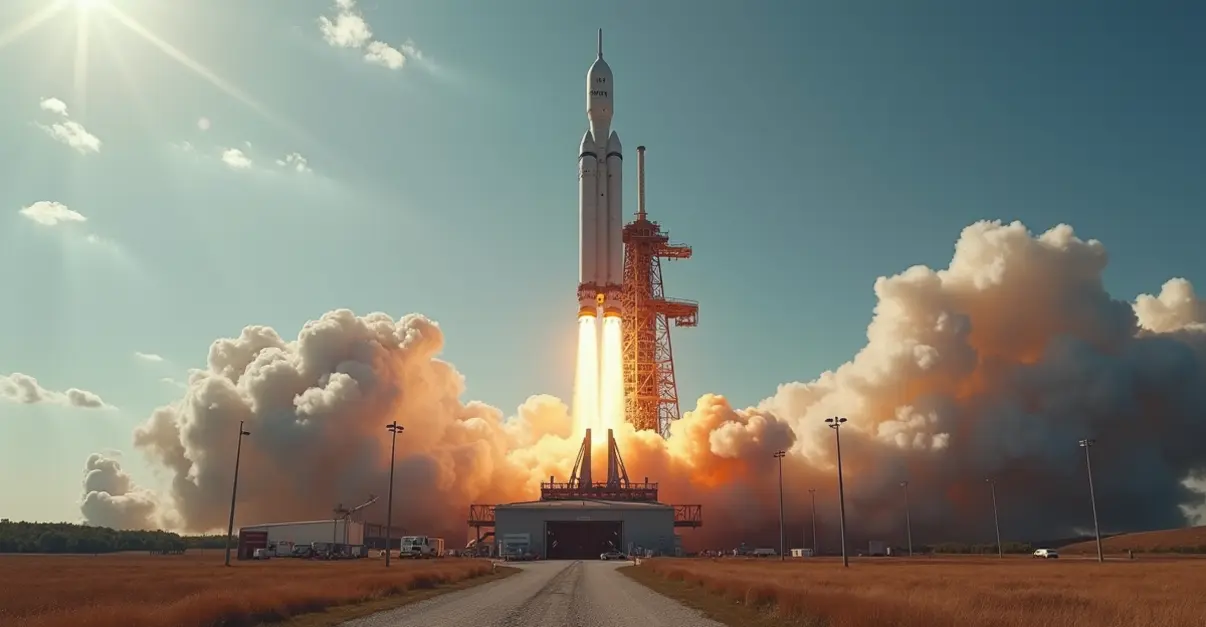
NASA is preparing to make history with the Artemis 2 mission, scheduled to launch as early as February 6, 2026. This will mark the first time humans have traveled to lunar vicinity since the Apollo 17 mission in 1972. The mission represents a critical step in NASA's Artemis program, which aims to establish a sustainable human presence on the Moon and eventually send astronauts to Mars.
The Mission Timeline and Preparations
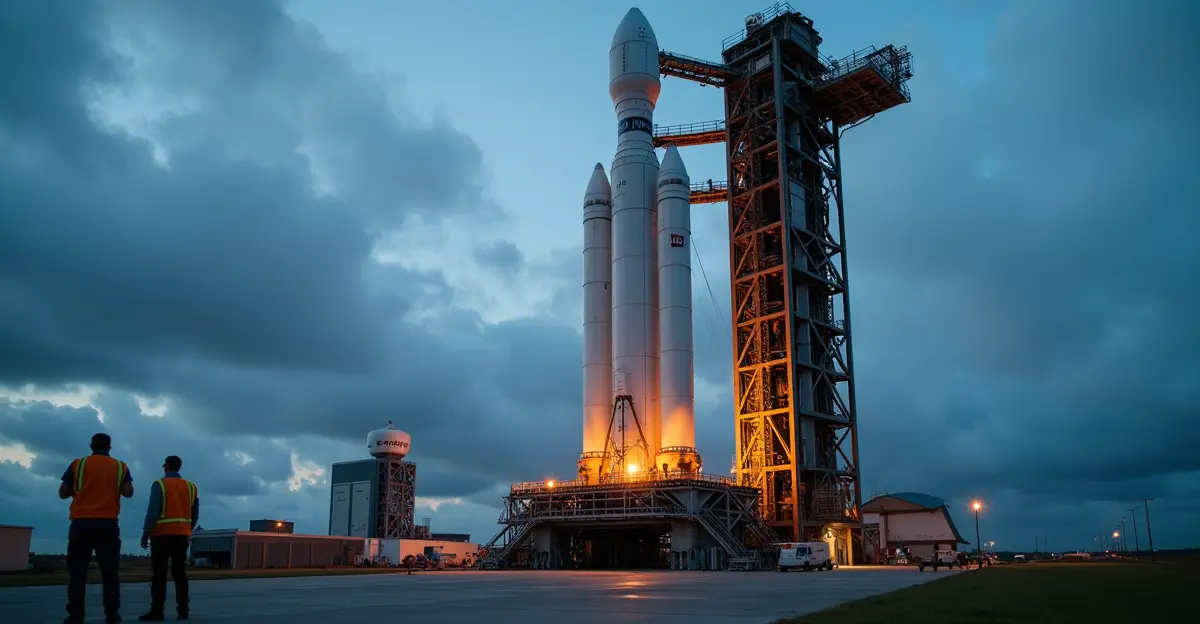
NASA has announced a series of critical milestones leading up to the historic launch. The fully assembled Space Launch System (SLS) rocket and Orion spacecraft are currently in the Vehicle Assembly Building at Kennedy Space Center, with rollout to Launch Pad 39B targeted for January 17, 2026. This four-mile journey aboard the massive Crawler-Transporter 2 is expected to take up to 12 hours, weather permitting.
Following pad integration, NASA will conduct a crucial Wet Dress Rehearsal (WDR) at the end of January. This full pre-launch test will involve loading over 700,000 gallons of cryogenic propellants and running through complete launch countdown sequences. 'The wet dress rehearsal is our final opportunity to verify all systems work together before we commit to launch,' explained NASA Administrator Bill Nelson in a recent statement.
The Historic Crew
Artemis 2 will carry four astronauts on a 10-day journey around the Moon. The crew includes Commander Reid Wiseman, Pilot Victor Glover (who will become the first person of color to travel to lunar vicinity), Mission Specialist Christina Koch (first woman to reach lunar distance), and Canadian Space Agency astronaut Jeremy Hansen (first Canadian to fly close to the Moon).
'This mission represents more than just a return to the Moon - it's about opening the door for all of humanity,' said Commander Reid Wiseman during a recent press conference. 'We're carrying the hopes of millions who dream of exploring beyond our planet.'
Mission Profile and Significance
The Artemis 2 mission will follow a free-return trajectory that will take the crew approximately 5,000 nautical miles beyond the far side of the Moon. While the mission won't land on the lunar surface, it will test critical systems needed for future Artemis missions, including life support, communication, and navigation in deep space.
According to NASA's official mission profile, after two orbits around Earth, the Orion spacecraft will perform a trans-lunar injection burn, sending the crew on their journey to lunar vicinity. The mission will test the spacecraft's ability to support crew in deep space and validate systems for future lunar landings.
The Artemis program has faced several delays and budget challenges, but NASA officials remain optimistic about the February timeline. 'We've overcome numerous technical challenges, and our teams are working around the clock to ensure we're ready,' said Jim Free, NASA's associate administrator for exploration systems development.
Looking to the Future
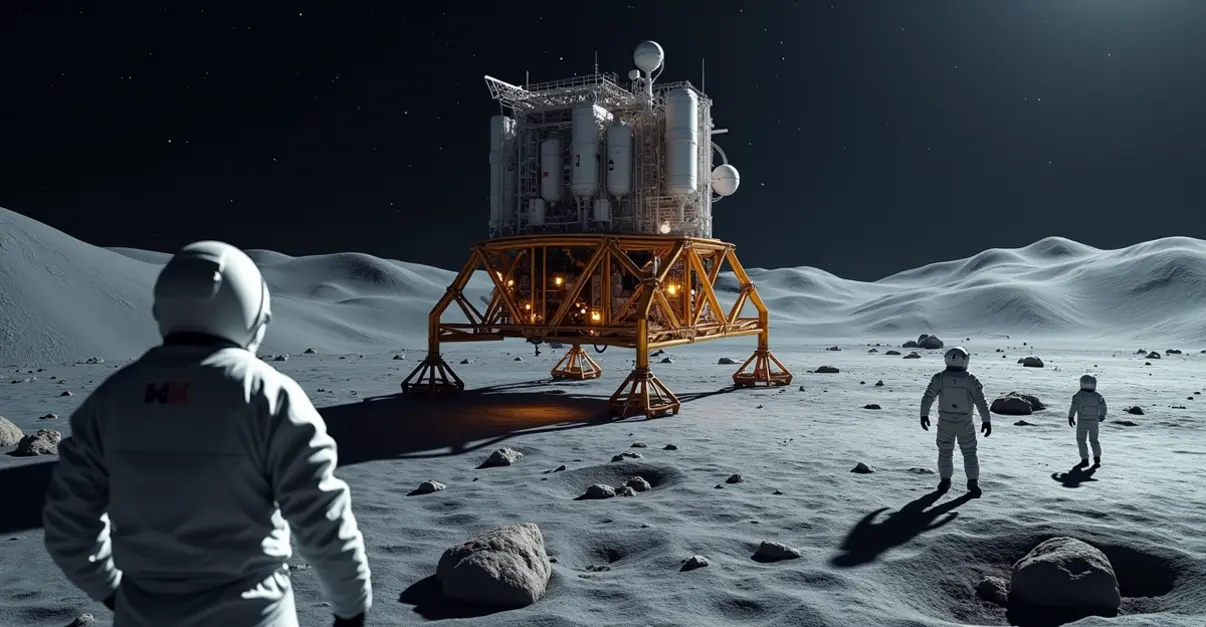
Artemis 2 serves as a critical precursor to Artemis 3, which aims to land astronauts on the lunar south pole no earlier than 2027-2028. The success of this mission will validate technologies and procedures needed for establishing a sustained human presence on the Moon, including the planned Lunar Gateway space station.
For more detailed information about NASA's Artemis program, visit NASA's official Artemis website. Additional technical details about the Space Launch System can be found at NASA's SLS overview.