


 Deutsch
 English
 Español
 Français
 Nederlands
 Português


 Share
Share




China's Space Station Expansion
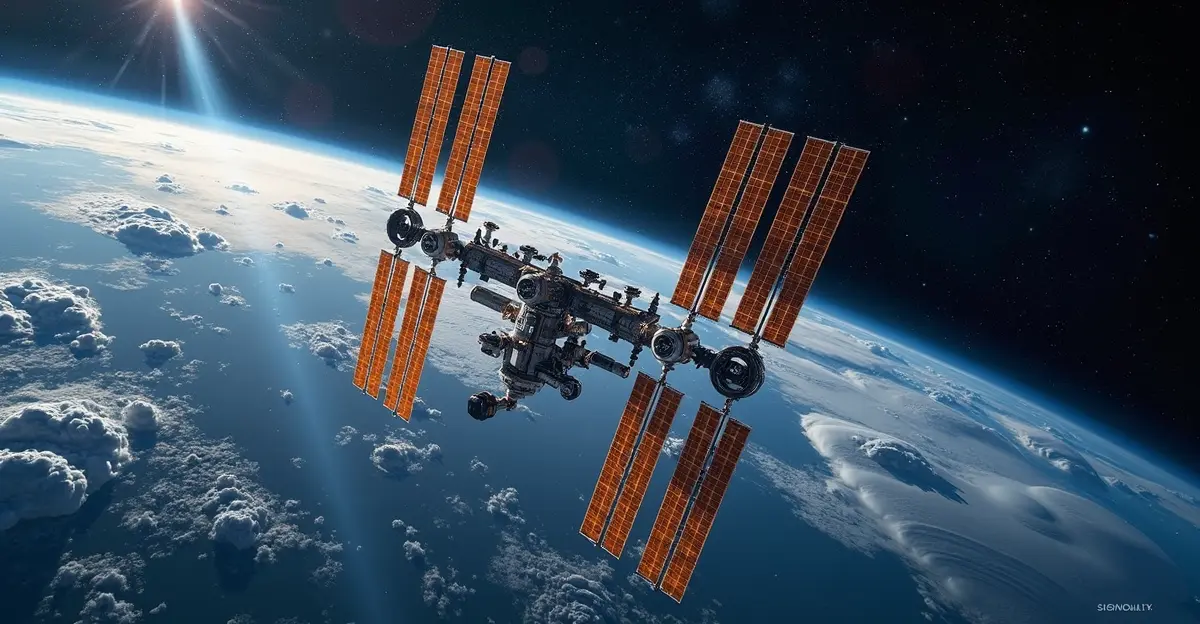
China successfully launched a new module for its Tiangong space station today, marking a major advancement in the country's space capabilities. The module, launched aboard a Long March-5B rocket from Wenchang Space Launch Centre, adds significant research capacity to China's orbital outpost.
Advanced Research Capabilities
The new module contains cutting-edge laboratories designed for microgravity experiments in materials science, biotechnology, and fluid physics. According to the China Manned Space Agency (CMSA), it features upgraded life support systems and expanded living quarters for taikonauts. This expansion enables longer-duration missions and more complex research programs.
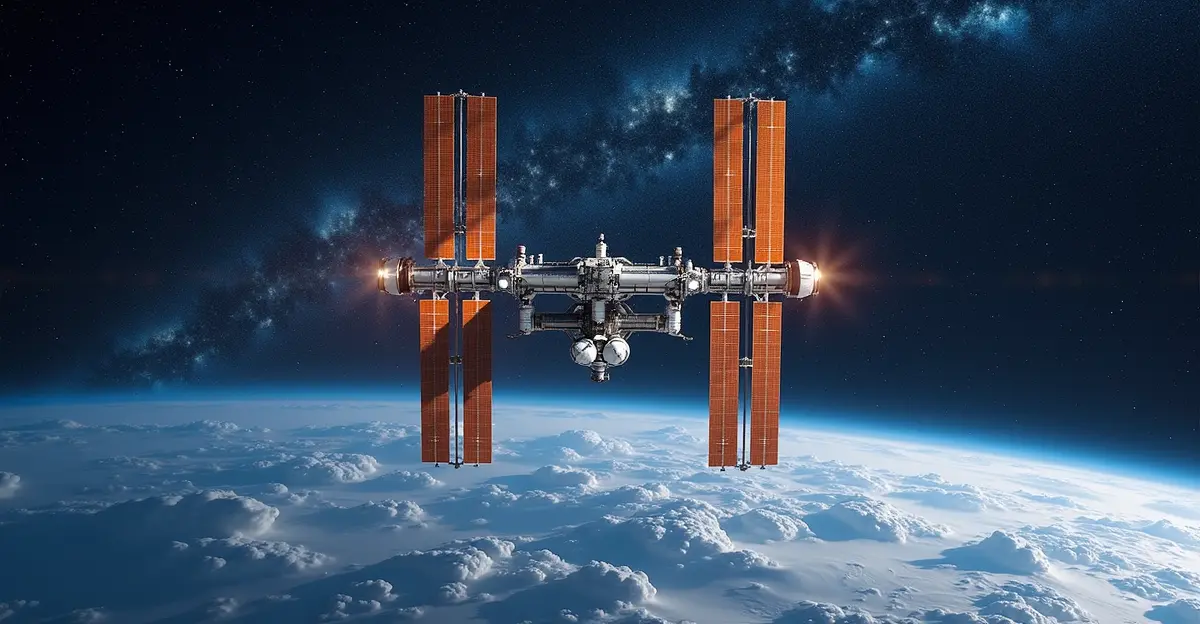
The Tiangong station now consists of three main components: the Tianhe core module (launched 2021), and the Wentian and Mengtian lab modules (both added in 2022). With this latest addition, Tiangong's pressurized volume exceeds 340 m³, making it approximately one-third the size of the International Space Station.
International Cooperation
CMSA officials announced they're actively seeking international partners for joint research projects. "We've received proposals from over a dozen countries," stated CMSA director Wang Wenbao. This openness represents a strategic shift as China positions Tiangong as an alternative research platform following the planned retirement of the ISS after 2024.
European Space Agency astronaut Samantha Cristoforetti commented: "While political challenges remain, scientific cooperation in space benefits all humanity." Several European experiments are already scheduled for delivery on future Tianzhou cargo missions.
Future Expansion Plans
China plans at least 10 additional launches through 2026 to complete the station's configuration. The next major addition will be the Xuntian space telescope module, designed to dock periodically with Tiangong for maintenance. With an aperture of two meters, Xuntian will survey 40% of the observable universe with resolution comparable to Hubble.
The completed station will orbit at 340-450km altitude and support continuous occupation by rotating crews of three taikonauts. China aims to have Tiangong fully operational by late 2026, potentially making it the only permanent space station after the ISS decommissioning.


Follow Discussion