


 English
 Nederlands
 Deutsch
 Français
 Español
 Português

Search
-

Strait of Hormuz Shock: Why Energy Security Demands Renewables Rethink
The February 2026 Strait of Hormuz closure removed 20% of global oil supply, sending Brent crude up 65% and threatening 2.9% GDP loss. Despite renewables being cheaper than fossil fuels in 91% of cases, Africa gets just 2% of...
-
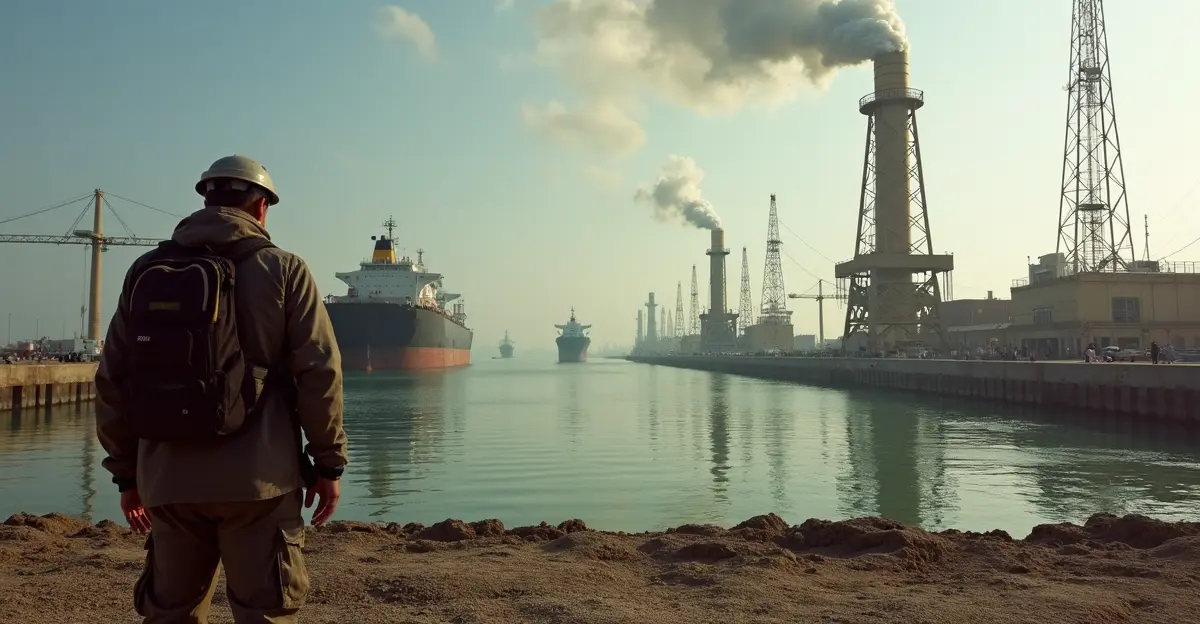
Strait of Hormuz Crisis: 90% Energy Collapse Risks 2026 Recession
The Strait of Hormuz crisis has collapsed global energy flows by 90%, removing 20% of oil supply. Brent crude surged to $118/bbl. UNCTAD warns trade growth could fall to 1.5%. Learn about recession risks and policy options.
-

Grid Ceiling: Why Power Infrastructure Bottlenecks AI in 2026
Global AI data centers will consume 1,000 TWh in 2026, equal to Japan's energy use, as grid connection delays of 4-10 years become the binding constraint on AI growth, forcing hyperscalers to pursue nuclear and...
-

China's Critical Minerals Stranglehold: 2026 Export Controls Reshape Supply Chains
China's 2026 export controls on rare earths, tungsten, and antimony have caused sixfold price spikes and slashed licensing approvals for European firms below 25%. With 90% of global processing under Beijing's control, Western...
-
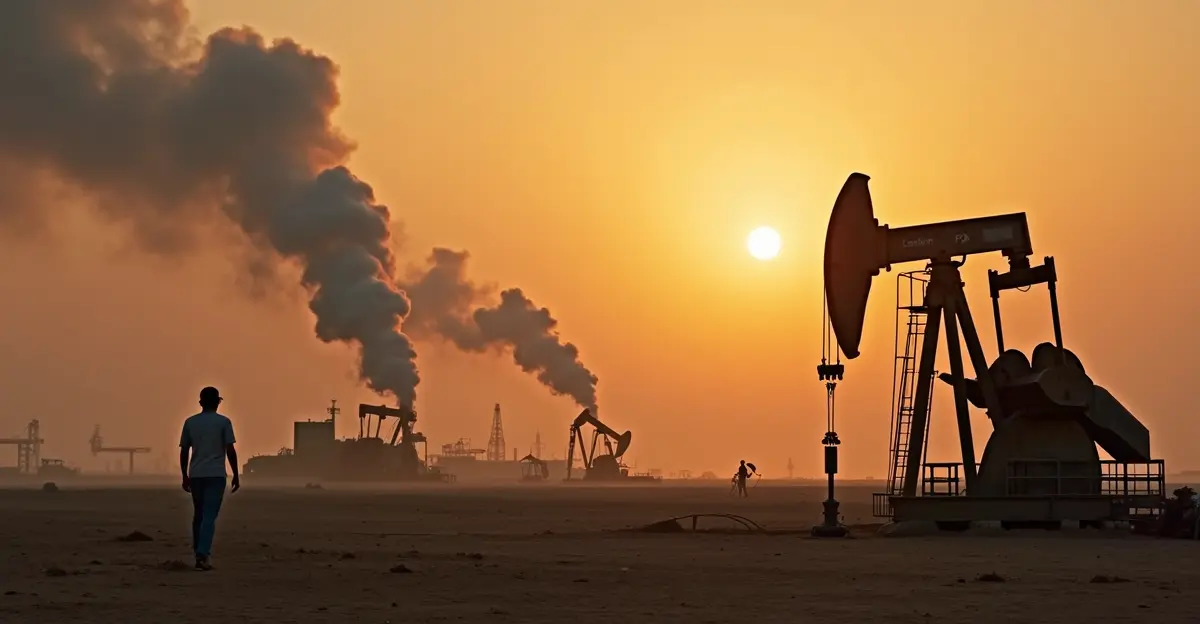
Strait of Hormuz Closure: Reshaping Global Energy Security in 2026
The Strait of Hormuz closure since Feb 2026 has removed 13% of global oil supply, sending Brent above $135/bbl. EIA projects recovery by late 2026. Learn how this crisis is reshaping energy security.
-

AI Will Create More Jobs Than It Eliminates by 2028: Gartner
Gartner HR research reveals AI will create more jobs than it eliminates starting in 2028. Learn how CHROs can shift to skills-based advancement to build robust talent pipelines.