
 Deutsch
 English
 Español
 Français
 Nederlands
 Português






What is Artemis II? NASA's Historic Moon Mission Returns to Earth
NASA's Artemis II mission successfully concluded on April 10, 2026, with the safe splashdown of four astronauts in the Pacific Ocean off the coast of San Diego, marking humanity's first crewed lunar mission in over 50 years. The Orion capsule completed its record-breaking 10-day journey around the Moon, surviving a critical reentry phase that tested modified heat shield technology following concerning results from the 2022 Artemis I test flight. The mission represents a crucial milestone in NASA's renewed lunar exploration program, paving the way for planned moon landings by 2028.
Background: The Artemis Program's Return to Lunar Exploration
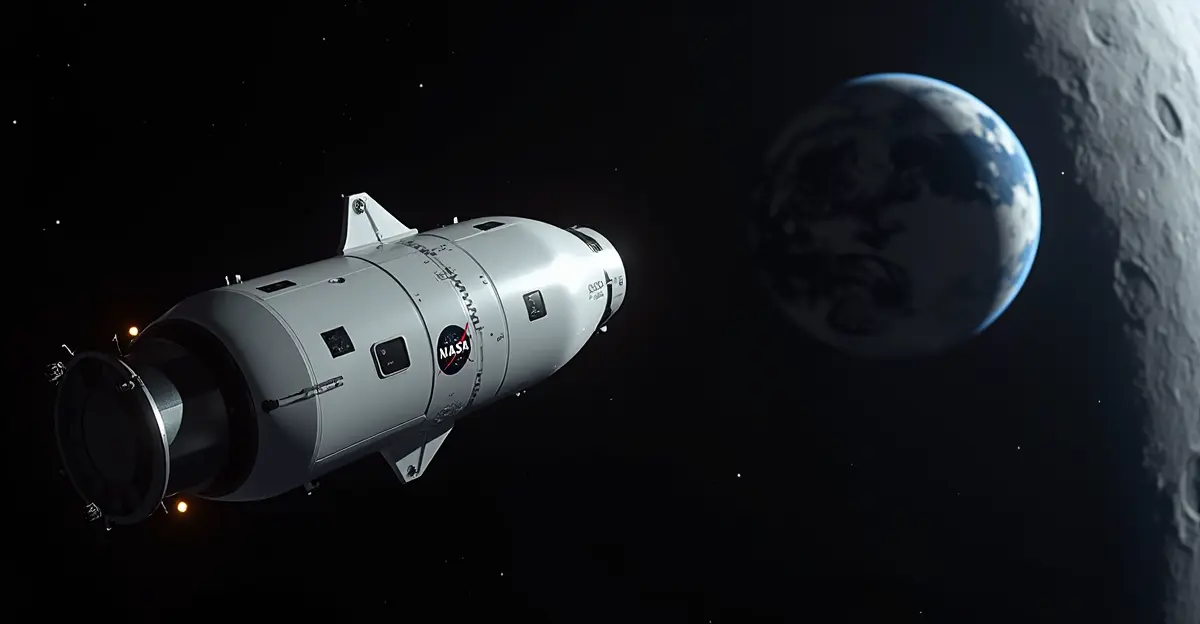
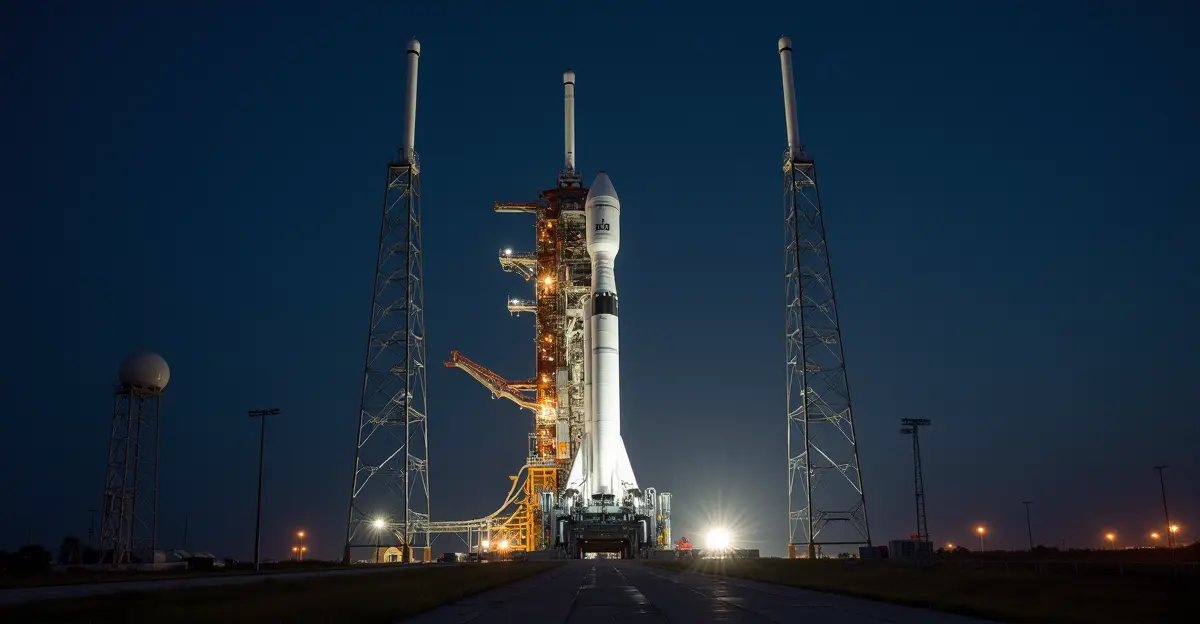
The Artemis program, formally established in 2017 through Space Policy Directive 1, aims to return humans to the Moon and establish a permanent lunar base in the 2030s. Artemis II served as the first crewed test flight of NASA's Space Launch System rocket and Orion spacecraft, following the uncrewed Artemis I mission in 2022. This mission marked the first human flight beyond low-Earth orbit since Apollo 17 in 1972, with the crew setting a new record for the farthest distance ever traveled from Earth at 252,756 miles.
The four-person crew included Commander Reid Wiseman, Pilot Victor Glover, Mission Specialist Christina Koch (who holds the record for longest single spaceflight by a woman), and Canadian astronaut Jeremy Hansen. Their mission tested critical systems needed for future lunar exploration, similar to how the Apollo program missions validated technology for moon landings in the 1960s and 70s.
The Critical Reentry: Heat Shield Concerns and Modified Flight Path
High-Speed Atmospheric Entry
The most dangerous phase of the Artemis II mission occurred during reentry, when the Orion capsule entered Earth's atmosphere at approximately 40,000 kilometers per hour (25,000 mph). At these hypersonic speeds, the spacecraft experienced temperatures reaching up to 2,700°C (4,900°F) - about half the temperature of the Sun's surface. The heat shield, made of Avcoat material, had to protect the crew from these extreme conditions.
Concerns about the heat shield emerged after the Artemis I mission in 2022, where the shield experienced greater-than-expected erosion with chunks of material breaking off in over 100 locations. An investigation revealed that trapped gases built up pressure under the non-permeable shield, causing it to crack. 'The problem was that super hot gases accumulated in the heat shield, and that happened because the shield wasn't porous enough,' explained spaceflight engineer Erik Laan.
NASA's Modified Approach
Rather than redesigning the heat shield for Artemis II - which would have caused years of delay - NASA implemented a flight path modification. The spacecraft followed a steeper reentry angle with less time in the problematic atmospheric region, creating a smaller 'skip' movement compared to Artemis I. This adjustment reduced the duration of extreme heating while maintaining crew safety margins.
'They have to optimize everything again from scratch,' noted spaceflight expert Nancy Vermeulen. 'But the safety margins are really quite large. They have tested these materials thoroughly.' The modified trajectory represented a calculated risk, similar to how space shuttle missions balanced innovation with safety during their operational years.
Mission Success and Records Broken
Historic Achievements
Artemis II achieved several historic milestones during its 10-day mission:
- Farthest human distance from Earth: 252,756 miles, surpassing Apollo 13's record by 4,111 miles
- Fastest human reentry speed: Approximately 25,000 mph, breaking Apollo 10's 1969 record
- First crewed lunar mission in 54 years since Apollo 17 in 1972
- First female, Black, and Canadian astronauts beyond low Earth orbit
- Total mission distance: 685,000 miles traveled
Splashdown and Recovery
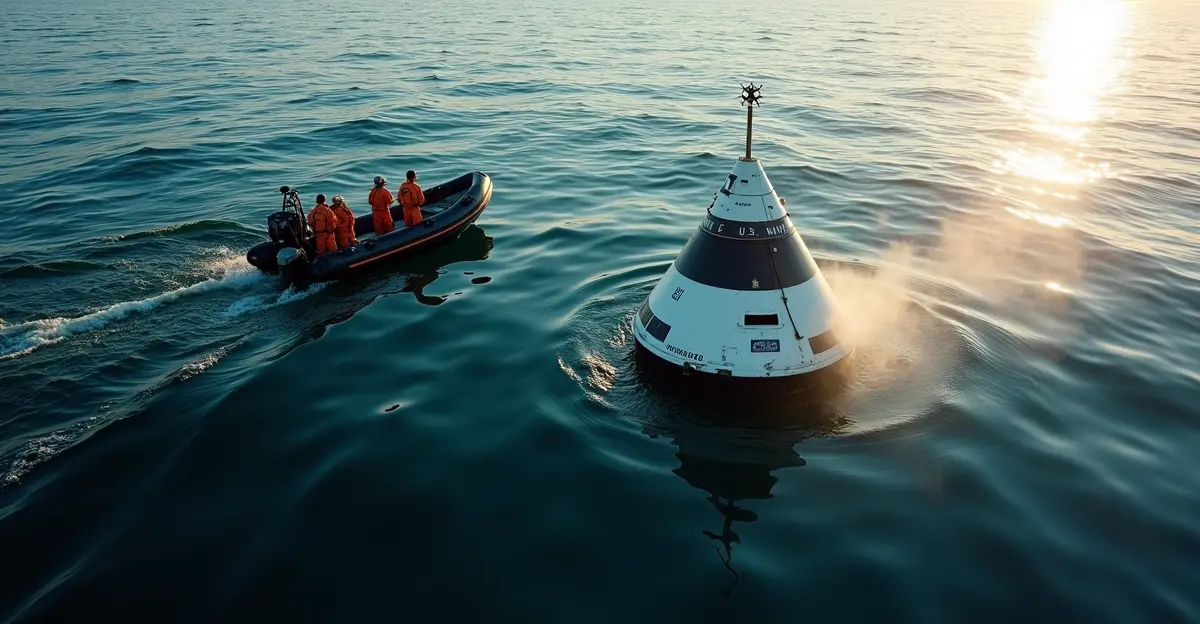
The Orion capsule splashed down in the Pacific Ocean at 8:07 p.m. ET on April 10, 2026, with Mission Control calling it a 'perfect bullseye splashdown.' Following a brief communications blackout during reentry caused by plasma formation, the crew emerged from the capsule about an hour after landing. U.S. Navy teams from the USS John P. Murtha deployed an inflatable 'front porch' raft for the astronauts to exit onto, with all four crew members reported in good condition following medical evaluations.
Implications for Future Lunar Exploration
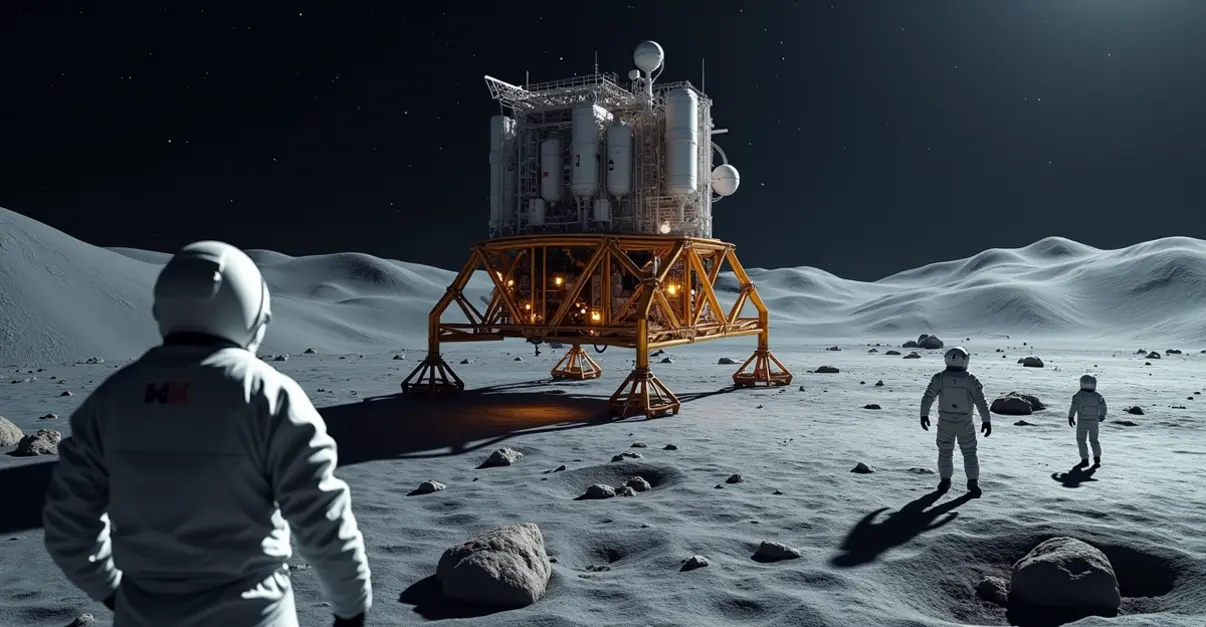
The successful Artemis II mission validates critical technologies needed for NASA's ambitious lunar exploration timeline. The program now progresses toward Artemis III, scheduled for mid-2027, which will conduct docking tests with a lunar lander in Earth orbit. The first lunar landing of the program is planned for Artemis IV in 2028, with NASA intending yearly lunar landings thereafter to develop a permanent lunar base.
The heat shield performance data collected during Artemis II will inform improvements for future missions, including a more permeable heat shield redesign planned for Artemis III. This iterative approach to spacecraft development mirrors how commercial space companies like SpaceX refine their technology through successive missions.
NASA Administrator Jared Isaacman praised the mission as 'the beginning of renewed lunar exploration efforts' that will inspire future generations of space explorers. The mission's success comes despite ongoing debates about risk assessment, with NASA not providing an official 'Loss of Crew' probability figure for Artemis II - a transparency issue noted by some experts.
Frequently Asked Questions About Artemis II
What was the purpose of Artemis II?
Artemis II served as the first crewed test flight of NASA's Space Launch System rocket and Orion spacecraft, testing deep space exploration capabilities and verifying systems needed for future lunar missions.
Why was the heat shield a concern?
The heat shield showed unexpected erosion during the 2022 Artemis I test flight, with chunks of material breaking off instead of eroding gradually. NASA addressed this through flight path modifications rather than redesigning the shield.
How fast did Artemis II travel during reentry?
The Orion capsule entered Earth's atmosphere at approximately 40,000 km/h (25,000 mph), setting a new record for the fastest humans have ever traveled.
Where did Artemis II splash down?
The capsule landed in the Pacific Ocean off the coast of San Diego, California, at 8:07 p.m. ET on April 10, 2026.
What's next for NASA's Artemis program?
Artemis III is scheduled for mid-2027 for Earth orbit tests, with the first lunar landing planned for Artemis IV in 2028, followed by annual missions to establish a permanent lunar base.
Sources
NASA Artemis Crew Information
NBC News Artemis II Splashdown Coverage
Live Science Heat Shield Analysis
USA Today Mission Records

Follow Discussion