


 Deutsch
 English
 Español
 Français
 Nederlands
 Português


 Share





As the US midterms 2026 enter their final days, Republicans in traditionally deep-red states are walking a political tightrope. High gas prices, a six-month war with Iran and voter frustration with President Donald Trump's policies are threatening to turn red districts blue in Iowa, Alaska, Kansas, Maine, Michigan, Ohio and Texas.
Why Red States Are Suddenly Competitive in 2026
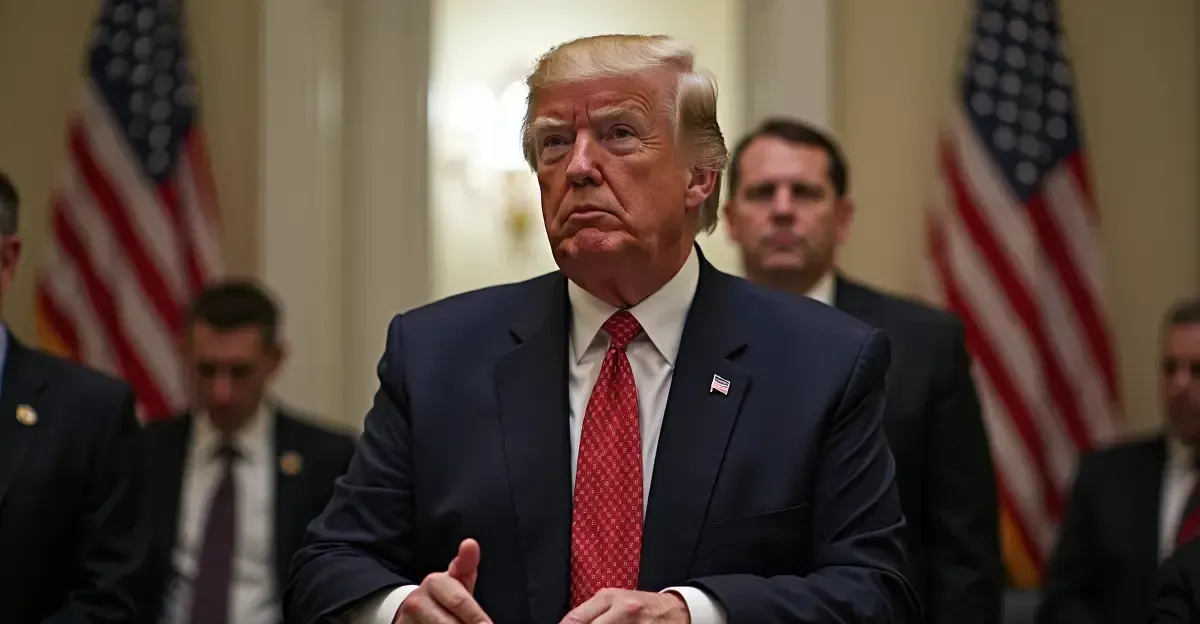
Three times in a row, Donald Trump won comfortably across Alaska, Texas and much of the American Midwest. Yet this year, those same Republican strongholds look vulnerable. The election has become a referendum on Trump's handling of the economy and the Iran war, leaving GOP candidates scrambling to distance themselves without abandoning the president.
Congresswoman Ashley Hinson, running for an open Senate seat in Iowa, calls this 'the most crucial election of our lives.' Polls show her neck-and-neck with her Democratic opponent. At a motel in Coralville, Iowa, she asked supporters who had already voted; most raised their hands, but the race remains far from certain. The Iowa Senate race has become a national barometer.
Iowa's Senate and House Races: A Bellwether for Republicans
Ashley Hinson's Tightrope
Hinson insists she will win, pointing to economic pain. 'Many people feel the American dream is unaffordable. We will bring prices down,' she said. But with gas prices averaging more than $4 per gallon—up from under $2 when Trump visited Iowa earlier this year—voters are skeptical. One attendee voiced frustration: 'First it was supposed to be a six-week war, now it's been six months. Iran is one of my biggest frustrations.'
Mariannette Miller-Meeks Under Pressure
Republican Congresswoman Mariannette Miller-Meeks is fighting for a third term in the House but trails in some polls. She recently voted to end the Iran war under voter pressure, a shift from her previous six votes against ending it. 'Are gas prices higher than I'd like? Yes. But are we better off than two years ago? Absolutely. We don't want to return to open borders,' she argued, omitting that inflation is now higher than before the war.
The Iran War and Gas Prices: Voters' Top Frustrations
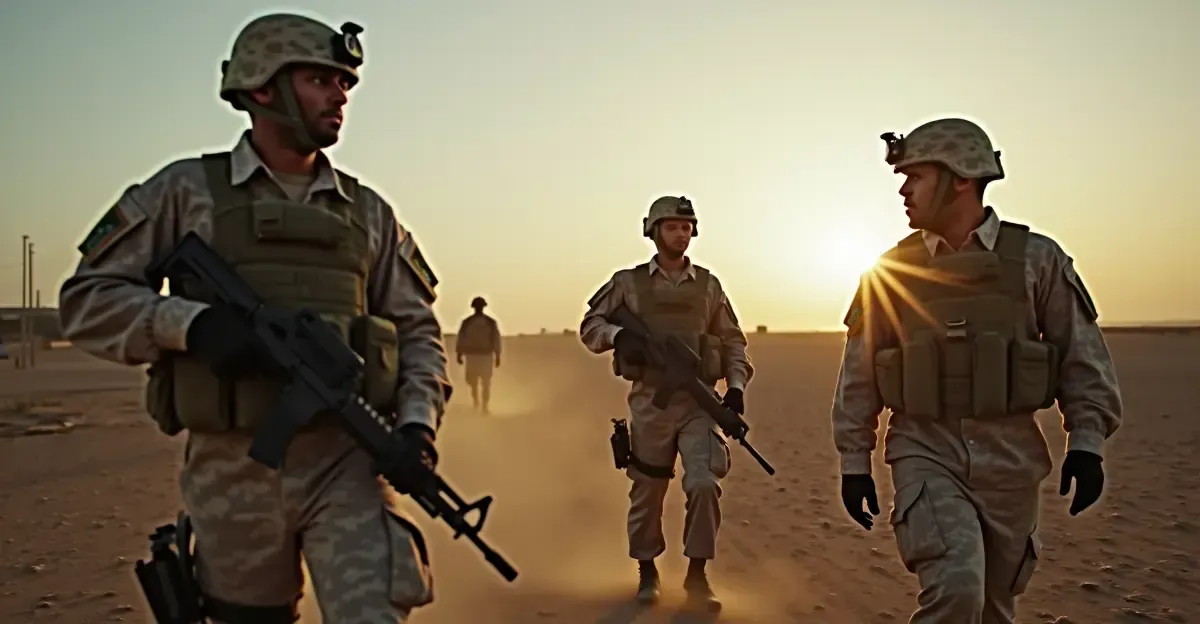
The prolonged conflict with Iran has become a central issue. Hinson says she wants the war to end immediately, but her voting record tells a different story: she voted six times against ending it, citing the need not to limit Trump's power. Now she sidesteps questions. The disconnect is fueling voter anger across the Midwest. The US Iran war 2026 has dominated headlines for months.
In Nebraska, independent candidate Dan Osborn, a former union leader, is gaining traction by focusing on costs. Campaign volunteer Kim Stabbe canvasses in Fremont: 'People in Nebraska are worried about high costs. Gas and diesel prices, especially for farmers, because it's harvest time.' She concedes that winning over lifelong Republicans is tough: 'There are many people here who belong to the MAGA sect; it's incredibly difficult to get anyone out of that.'
Record Campaign Spending: Iowa, Texas and Elon Musk
Money is flooding into the battlegrounds. Iowa candidates raised more than $80 million for federal races, while external organizations spent an additional $240 million, according to Federal Election Commission analyses. Texas dwarfs that, thanks to hundreds of millions from billionaire Elon Musk. But per-voter spending in Iowa, Alaska and Maine far exceeds Texas due to their smaller populations. The Elon Musk campaign donations have reshaped Texas spending.
- Iowa: $80M candidate fundraising + $240M external spending
- Texas: Hundreds of millions, led by Elon Musk
- Alaska & Maine: Highest per-voter spending among swing states
What a Blue Shift Could Mean for the Senate
Iowa, Alaska, Kansas, Maine, Michigan, Ohio and Texas are key Senate battlegrounds. If even a few flip, Republicans could lose control. The 2026 Senate control hangs in the balance, and the outcome will shape Trump's final two years. Analysts say the tightrope act—criticizing the president's policies while praising his leadership—may be unsustainable. As Stabbe puts it, 'Everyone is fed up; they're inundated with ads. We walk two hours through the neighborhood and are lucky if two people open the door. But every vote counts.'
Frequently Asked Questions
Why are Republicans struggling in red states in 2026?
High gas prices, inflation and the six-month Iran war have turned the midterms into a referendum on Trump's policies, eroding Republican support even in traditionally safe districts.
Which states are the key 2026 midterm battlegrounds?
Iowa, Alaska, Kansas, Maine, Michigan, Ohio and Texas are pivotal Senate races, with Nebraska also competitive for an independent candidate.
How much money is being spent in Iowa's midterm races?
Iowa candidates raised over $80 million, and external groups spent another $240 million, making it one of the highest per-voter spending states.
Who is Dan Osborn?
Dan Osborn is a former union leader running as an independent for Senate in Nebraska, focusing on high costs for farmers and workers.
Follow Discussion