


 Deutsch
 English
 Español
 Français
 Nederlands
 Português


 Share
Share




Italy's government has approved a decree banning the burqa and niqab in schools while capping the number of foreign students with limited Italian language skills at 30 percent per classroom. The decision, pushed by Prime Minister Giorgia Meloni's conservative coalition, took effect immediately on 25 September 2026 but must be ratified by parliament within 60 days.
What Does Italy's New School Decree Include?
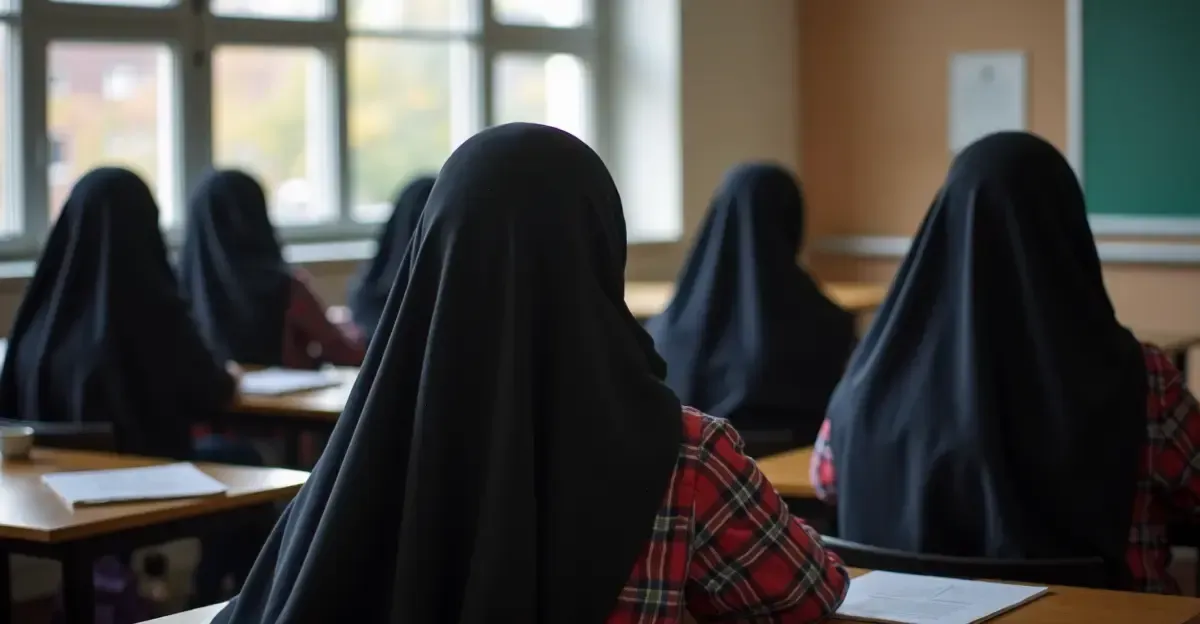
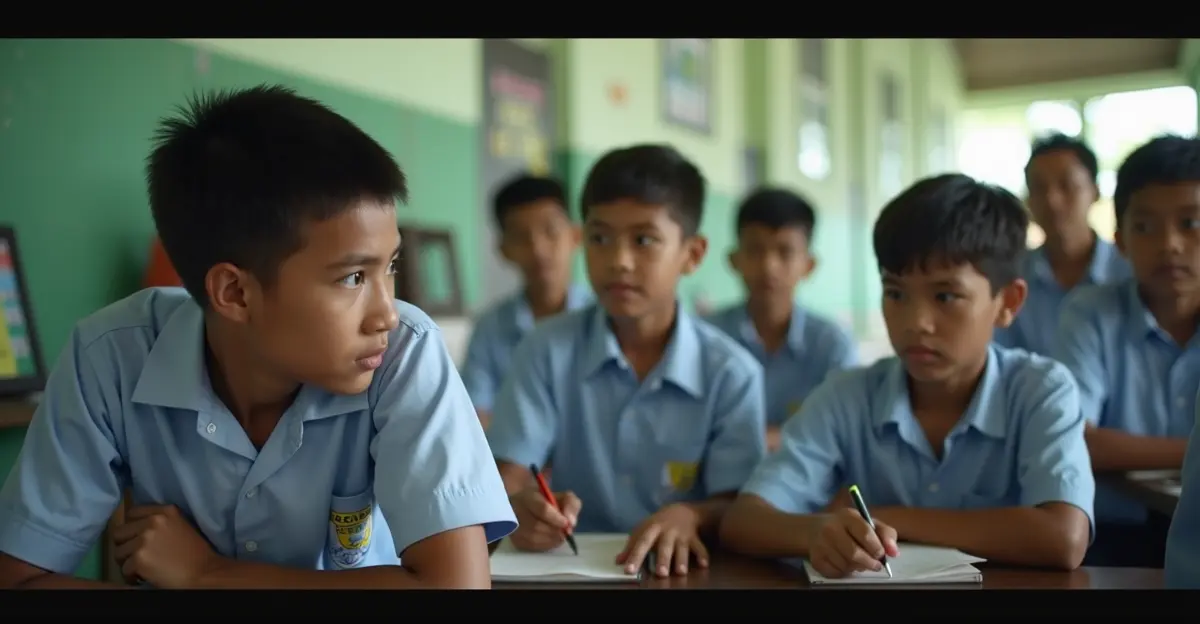
The decree introduces two main restrictions. First, face-covering Islamic garments such as the burqa and niqab are now prohibited in all Italian schools, although the hijab (headscarf) remains allowed. Second, no classroom may have more than 30 percent of students who are foreign nationals with little or no knowledge of the Italian language.
Education Minister Giuseppe Valditara said the measure affects roughly 1,000 classrooms nationwide — about 0.3 percent of the total. Schools that cannot meet the quota can apply for exemptions and extra funding for language support, with the government allocating around €14 million.
Why Is Italy Capping Foreign Students in Classrooms?
Meloni defended the rules as "common-sense measures that do not sow division but promote real integration, avoid 'ghetto' classes and offer equal opportunities to all students." The government argues that language barriers hinder educational progress and that limiting newly arrived pupils will improve integration through Italian-language teaching.
The move comes amid rising political competition on Italy's right flank. Former army general Roberto Vannacci has launched a new hardline party and is attracting voters concerned about immigration and national identity, putting pressure on Meloni ahead of parliamentary elections expected in spring 2027. Similar debates over EU migration policy have intensified across the bloc.
How the 30 Percent Classroom Cap Works
- Primary schools: the cap applies to non-citizen pupils not born in Italy and lacking at least two years of preschool.
- Secondary schools: it targets foreign students with fewer than three years in Italy.
- Children born in Italy are exempt from the primary-school limit.
- Parents of pupils with persistent language or integration problems must attend free Italian courses or face fines up to €1,000.
Backlash and Political Calculations
Opposition leader Elly Schlein called the measure "a new witch hunt," while Save the Children warned it could create "first-class" and "second-class" students. Teachers' unions say the €14 million funding package is not enough to hire the specialist language teachers and cultural mediators needed to support affected pupils.
"Because it concerns children, probably young primary-school children, it is clear that they can barely travel kilometres from home," said a president of the National Association of School Principals, highlighting practical enforcement problems in migrant-heavy neighbourhoods with only one school.
Critics also note the burqa and niqab ban addresses a phenomenon that is rare in Italian classrooms, making it largely symbolic. The debate echoes wider far-right identity politics across Europe.
How Does Italy's Burqa Ban Compare to Other EU Countries?
| Country | School Ban | Public Ban |
|---|---|---|
| Italy | Burqa, niqab (hijab allowed) | Partial/local restrictions |
| France | All religious symbols, including hijab | Full-face veils banned |
| Belgium | Face coverings | Full-face veils banned |
| Austria | Face coverings | Face coverings banned |
| Denmark | Face coverings | Face coverings banned |
Italy now joins a growing list of European states restricting religious face coverings, though the classroom language cap is a more distinctive policy that mirrors earlier school integration debates in Germany and the Netherlands.
Frequently Asked Questions
Is the burqa banned in all Italian public places?
No. The new decree bans burqas and niqabs only in schools. Italy has a patchwork of local rules on face coverings in public, but no nationwide public ban.
Does the 30 percent rule apply to Italian-born children of immigrants?
No. Children born in Italy are exempt from the primary-school cap, and secondary-school rules focus on students with fewer than three years in Italy.
What happens if a school exceeds the 30 percent limit?
Schools can request exemptions and additional funding for language support. Parents may also be required to attend free Italian courses or face fines of €200 to €1,000.
When does the new policy take effect?
The decree took effect immediately on 25 September 2026, but the classroom cap fully applies from the 2027-28 school year. Parliament must ratify the decree within 60 days.
Follow Discussion