


 Deutsch
 English
 Español
 Français
 Nederlands
 Português


 Share
Share




What is Alpha School's AI Education Model?
Alpha School represents a radical experiment in AI-driven education that has sparked intense debate across the United States. This private school network, charging parents up to $65,000 annually, replaces traditional teachers with AI tutors and promises to deliver comprehensive education in just two hours daily. The model, praised by former President Trump and his administration, claims students learn 2-2.6 times faster than national averages, with test scores reaching the top 2% nationally. However, recent investigations reveal troubling realities behind this technological promise.
The Two-Hour Learning System: Promise vs. Reality
Alpha School's most distinctive feature is its 'two-hour learning system,' where children spend just 120 minutes daily on core academic subjects like mathematics, language, and science. The remaining school day focuses on practical skills development including entrepreneurship, public speaking, creativity, and financial literacy. Students earn 'Alphas,' the school's proprietary currency, for completing online assignments, which can be redeemed for prizes.
How the AI System Actually Works
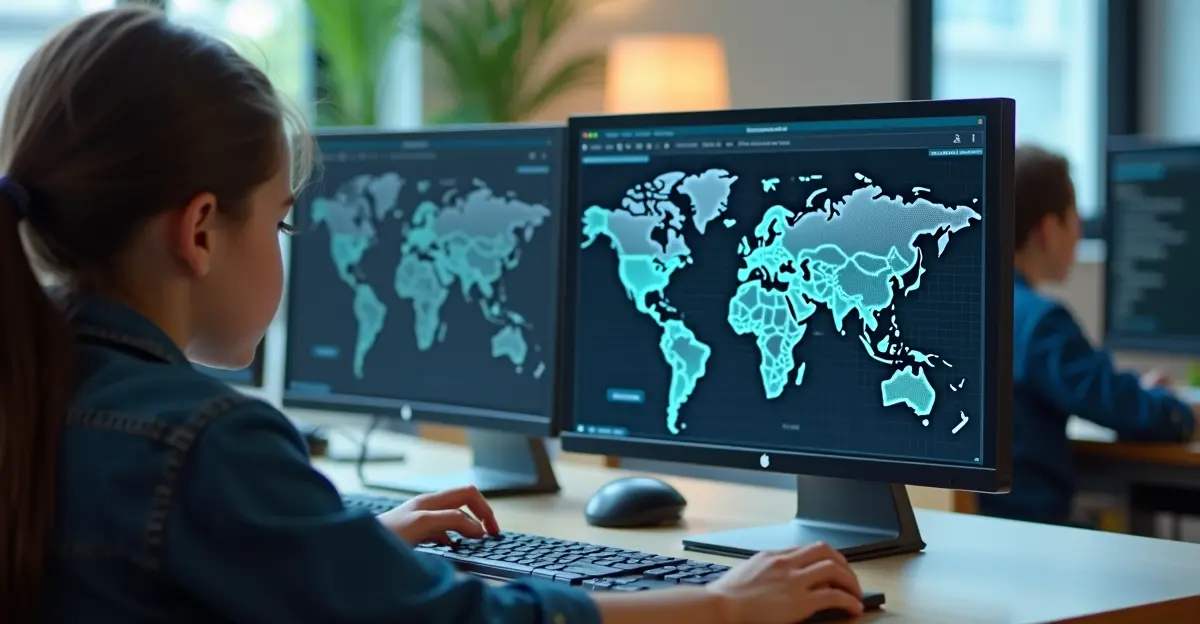
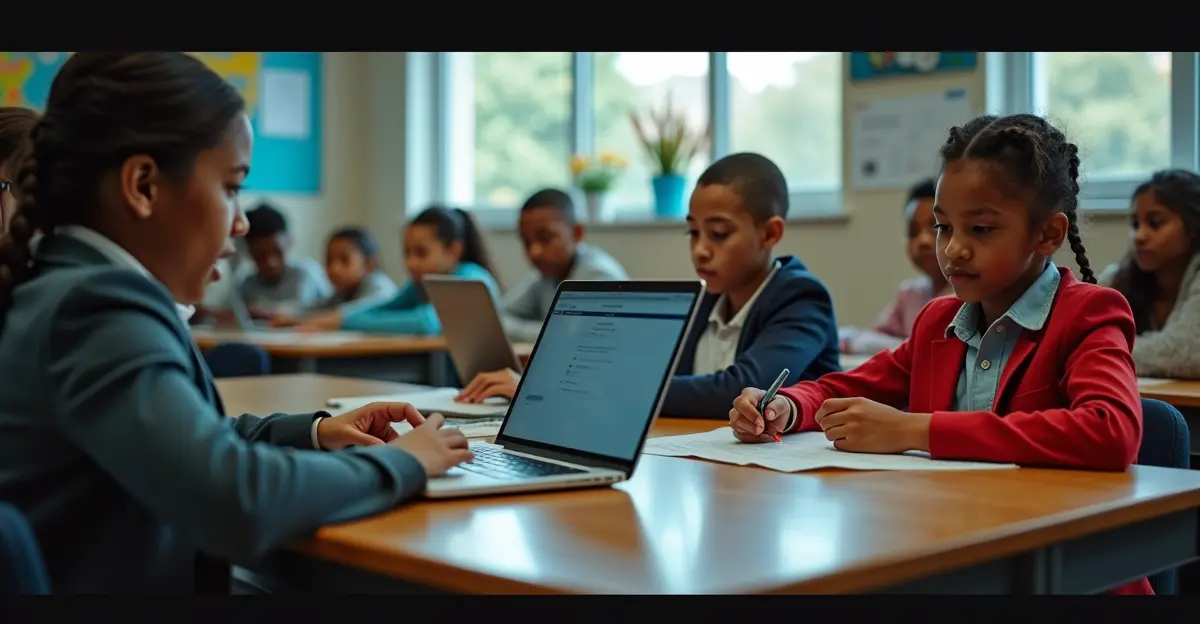
Instead of human teachers, Alpha School employs 'guides' who monitor students while AI tools deliver personalized lessons. These AI systems adapt content to individual student levels and interests, using platforms like IXL and Khan Academy. However, former employees reveal the system often fails to deliver on its promises. 'Children were often still working late into the evening to complete exercises and catch up on their backlog,' one former staff member told WIRED.
Critical Flaws in Alpha School's AI Approach
Educational Deficiencies
Internal documents obtained by 404 Media show the AI-generated lessons contain significant errors. Questions are often confusingly worded, grammatically incorrect, or fail to meet SAT-level standards despite the school's claims of preparing students for college entrance exams. This raises serious concerns about academic preparedness, as SAT scores directly impact university admissions.
Surveillance and Privacy Concerns
Alpha School's monitoring system has drawn particular criticism. The school tracks mouse and keyboard activity, records app usage times, and monitors student attention through webcams. One student reported receiving an 'anti-pattern' notification after being filmed in her pajamas while talking to her younger sister. Student data, including videos, is stored in an insecure Google Drive folder accessible to anyone with the link, despite parents being required to consent to filming.
Mental Health Impacts
The reward-based system creates intense performance pressure. Students must complete assignments correctly to earn rewards, leading some children to stop eating or work late into the night. 'The system had her in pyjamas filmed while she was having a conversation with her younger sister,' one student reported. This approach mirrors concerning trends in Silicon Valley tech culture applied to childhood education.
Broader Implications for AI in Education
The Alpha School controversy highlights critical questions about AI's role in education. A comprehensive Brookings Institution report analyzing AI across 50 countries found that risks currently outweigh benefits, warning about 'cognitive off-loading' where students rely on AI instead of developing critical thinking skills. While AI can save teachers up to 6 hours weekly and help with language acquisition, it risks undermining foundational development and exacerbating educational inequities.
Similar concerns have emerged in discussions about digital learning platforms and their impact on traditional education systems. The debate extends beyond Alpha School to fundamental questions about how technology should complement rather than replace human educators.
Parent Response and School Expansion
Despite growing criticism, Alpha School continues expanding nationwide with support from Trump administration officials, including Education Secretary Linda McMahon. The school has multiple locations across America, including near Elon Musk's Starbase in Texas, and offers an online version called 'Alpha Anywhere.' However, many families have withdrawn their children, with one Brownsville campus experiencing significant parent exodus after reports of children being denied snacks until they met learning metrics.
The situation reflects broader tensions in educational technology adoption and raises questions about regulatory oversight for AI-driven learning environments.
Frequently Asked Questions
What is Alpha School's two-hour learning system?
Alpha School's two-hour learning system involves students spending just 120 minutes daily on core academic subjects through AI tutors, with the rest of the day dedicated to practical skills development and workshops.
How much does Alpha School cost?
Tuition ranges from $40,000 to $75,000 annually depending on location, making it accessible primarily to wealthy families despite some lower-cost options.
What are the main criticisms of Alpha School?
Key criticisms include faulty AI-generated lessons, invasive student surveillance, mental health impacts from performance pressure, questionable academic outcomes, and data privacy concerns with insecure storage of student information.
Does Alpha School have human teachers?
No, Alpha School replaces certified teachers with 'guides' who monitor students while AI tools deliver instruction. These guides often lack traditional teaching backgrounds.
What does research say about AI in education?
Research suggests AI should supplement rather than replace human teachers. Studies show AI can help with specific tasks but risks undermining critical thinking development and social-emotional learning when over-relied upon.


Follow Discussion