


 Deutsch
 English
 Español
 Français
 Nederlands
 Português


 Share
Share




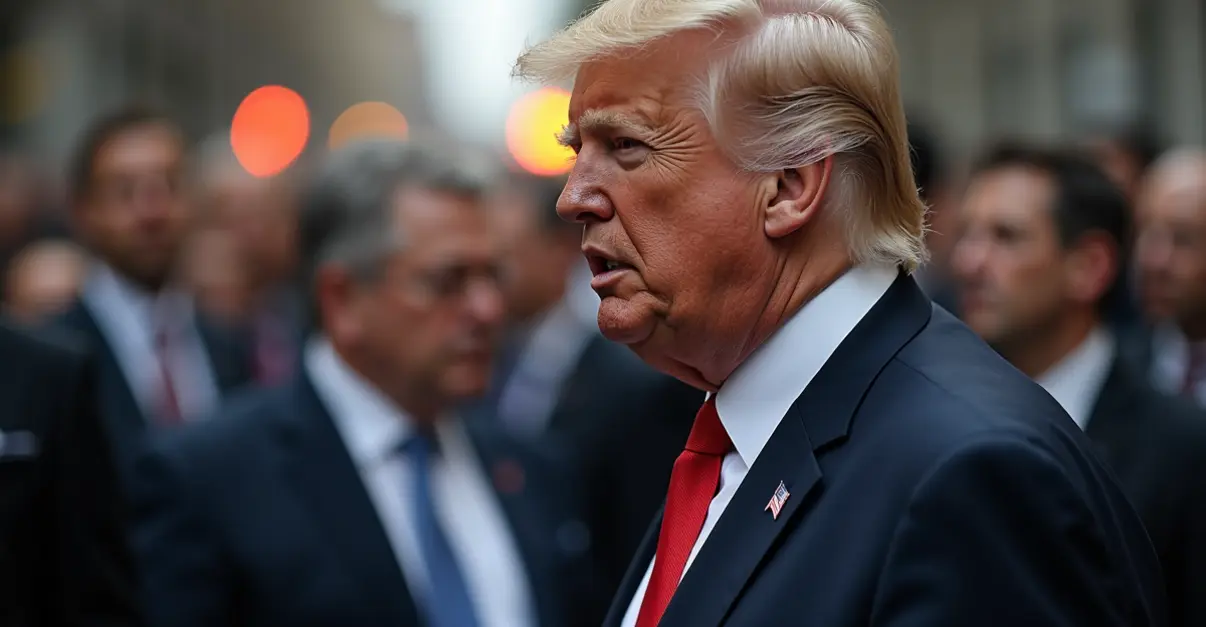
President Donald Trump's settlement of a $10 billion lawsuit against the Internal Revenue Service (IRS) has ignited a firestorm of criticism after the Justice Department announced it would create a $1.776 billion 'Anti-Weaponization Fund' to compensate individuals claiming they were unfairly targeted by the federal government. The fund, established as part of a broader deal that also permanently bars the IRS from auditing Trump, his family, and his businesses for past tax years, has been denounced by Democrats and ethics watchdogs as an unprecedented act of self-dealing.
Background: The IRS Lawsuit and Settlement
The controversy stems from a lawsuit Trump and his sons, Eric and Donald Jr., filed against the IRS and the Treasury Department seeking $10 billion in damages. The suit alleged that a government contractor leaked Trump's tax returns in 2020, violating federal privacy laws. On May 18, 2026, the Justice Department announced a settlement that, instead of awarding monetary damages to Trump, created a $1.776 billion fund administered by a five-member commission appointed by Acting Attorney General Todd Blanche. The fund will accept claims until December 15, 2028, from any American who alleges they were victims of 'weaponization and lawfare' by the federal government.
Trump himself will receive only a formal apology and no monetary payout. However, the settlement also includes a provision that the IRS is 'forever barred and precluded' from examining or prosecuting Trump, his sons, or the Trump Organization for any tax issues related to returns filed before the settlement date. This sweeping immunity has drawn particular outrage.
Critics Cry Corruption and 'Slush Fund'
Democratic lawmakers and former government officials have reacted with fury. Senator Patty Murray called the arrangement 'nothing less than the sitting president of the United States plundering the public treasury for personal gain.' Senator Chris Van Hollen described it as 'pure theft of public funds' and a 'slush fund' to enrich Trump's allies. The nonprofit watchdog Citizens for Responsibility and Ethics in Washington (CREW) labeled it 'the most brazen act of self-dealing in the history of the presidency.'
The fund's name—$1.776 billion—is a clear reference to the year of American independence, a symbolic gesture critics call a cynical attempt to cloak corruption in patriotism. The 2025 bank heist in Berlin may have been smaller in scale, but this fund dwarfs any previous settlement of its kind.
Who Could Benefit?
One of the most explosive aspects of the fund is who might receive payments. Acting Attorney General Blanche admitted under congressional questioning that he could not rule out claims from individuals convicted of attacking police officers during the January 6, 2021, Capitol riot. A lawyer representing hundreds of January 6 defendants has already stated he will file claims on behalf of his clients. Blanche also noted that Hunter Biden, the son of former President Joe Biden who was convicted on federal gun and tax charges, could potentially apply. The cryptocurrency regulation landscape has shifted dramatically, but this fund represents a new frontier in political compensation.
Legal and Historical Precedent
The money for the fund comes from the Judgment Fund, a permanent, indefinite appropriation established by Congress in 1956 to pay judgments against the United States. The fund was designed to streamline payments for settled lawsuits, not to create discretionary compensation pools. A former Justice Department official told The New York Times that while the move is legally permissible, it subverts the fund's original purpose. The DOJ's announcement pointed to a 2011 settlement under President Barack Obama that set aside $760 million for Native American farmers and ranchers who alleged discrimination by the Agriculture Department. However, that settlement followed a class-action lawsuit, whereas Trump's fund is not tied to any existing litigation.
Comparison: Obama's 2011 Fund vs. Trump's 2026 Fund
| Feature | Obama (2011) | Trump (2026) |
|---|---|---|
| Amount | $760 million | $1.776 billion |
| Recipients | Native American farmers (class action) | Any American claiming 'weaponization' |
| Legal basis | Class-action lawsuit settlement | Settlement of Trump's personal lawsuit |
| Oversight | Court-appointed monitor | DOJ-appointed commission |
| IRS immunity | None | Trump, family, businesses shielded |
What Happens Next?
The fund is now operational, but many questions remain. Who exactly will serve on the five-member commission? What criteria will they use to approve claims? And will Congress attempt to intervene? Legal challenges are almost certain. The EU carbon border tax has sparked debate in trade circles, but this domestic controversy threatens to overshadow all other policy discussions. Several watchdog groups have already signaled plans to sue, arguing that the settlement violates the Appropriations Clause of the Constitution, which requires Congress to authorize spending. With the 2026 midterm elections looming, the fund is likely to become a central campaign issue.
Frequently Asked Questions
What is the Anti-Weaponization Fund?
The Anti-Weaponization Fund is a $1.776 billion pool of money established by the Justice Department as part of a settlement of President Trump's lawsuit against the IRS. It is designed to compensate individuals who claim they were unfairly investigated or prosecuted by the federal government.
Who can apply for money from the fund?
Any American who alleges they were a victim of 'weaponization and lawfare' by the federal government can apply. Claims will be reviewed by a five-member commission appointed by the acting attorney general. The fund will accept applications until December 15, 2028.
Does Trump personally receive any money from the settlement?
No. Trump receives only a formal apology from the government. However, the settlement permanently bars the IRS from auditing or pursuing tax claims against Trump, his sons Eric and Donald Jr., and the Trump Organization for past tax years.
Is the fund legal?
Legal experts are divided. The fund uses the Judgment Fund, a 1956 appropriation that allows the government to pay settlements without specific congressional approval. Critics argue that using it to create a discretionary compensation fund for political allies violates the intent of the law and possibly the Constitution.
Could January 6 rioters receive money?
Possibly. Acting Attorney General Blanche has not ruled out claims from individuals convicted of crimes related to the Capitol riot, including those who assaulted police officers. A lawyer for many defendants has already said he will file claims.
Follow Discussion