
 English







What Happened in the US-Iran Ceasefire Talks?
On April 12, 2026, high-stakes peace negotiations between the United States and Iran collapsed after 21 hours of intensive discussions in Islamabad, Pakistan. U.S. Vice President JD Vance returned to Washington without securing a deal to end the six-week war that has shaken the Middle East and disrupted global energy markets. The talks broke down over Iran's refusal to commit to abandoning nuclear weapons development, which Vance described as the "core goal" of President Donald Trump's administration. This development comes just days after a fragile two-week ceasefire was brokered by Pakistan, raising concerns about renewed hostilities in the region.
Background: The 2026 Iran War
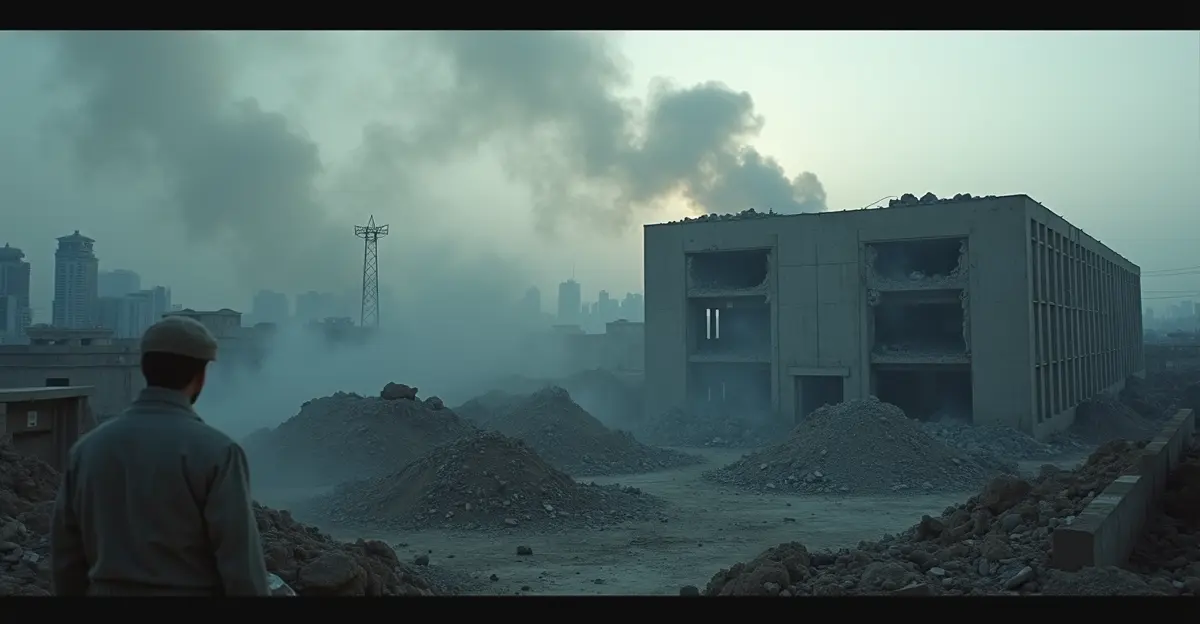
The conflict began on February 28, 2026, when U.S. and Israeli forces launched coordinated airstrikes on Iran, killing Supreme Leader Ali Khamenei and other senior officials. Iran responded with missile and drone attacks against Israel and U.S. bases across the Middle East, while closing the strategic Strait of Hormuz - a vital chokepoint handling 20% of global oil shipments. The war has resulted in over 3,600 casualties in Iran alone, with additional deaths across the region, and has caused the world's most significant oil supply disruption since the 1970s energy crisis. The conflict escalated into the 2026 Lebanon war as Hezbollah and Israel exchanged fire, killing more than 1,700 civilians and militants by early April.
Key Issues That Derailed the Talks
Nuclear Weapons Development
The primary sticking point was Iran's nuclear program. The U.S. demanded Iran abandon nuclear weapons development entirely, while Iran sought guarantees around its civilian nuclear program and refused to surrender enriched uranium stockpiles. The International Atomic Energy Agency has stated that while Iran has an "ambitious" nuclear program, there's no evidence of an ongoing nuclear weapons program - a point of contention that has complicated negotiations.
Strait of Hormuz Access
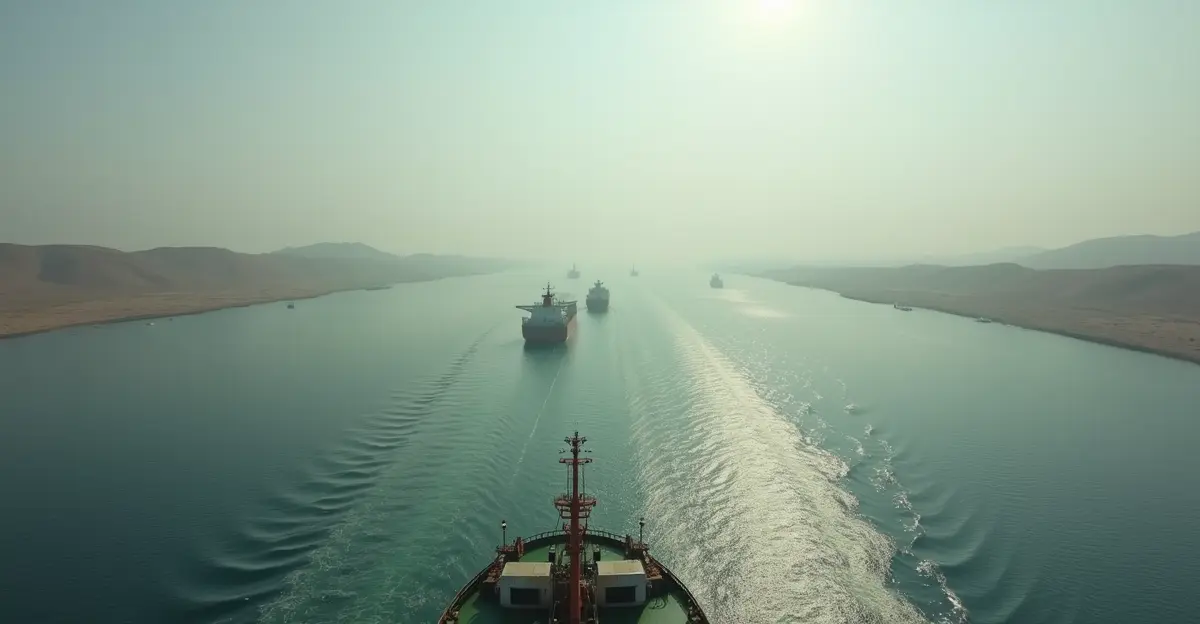
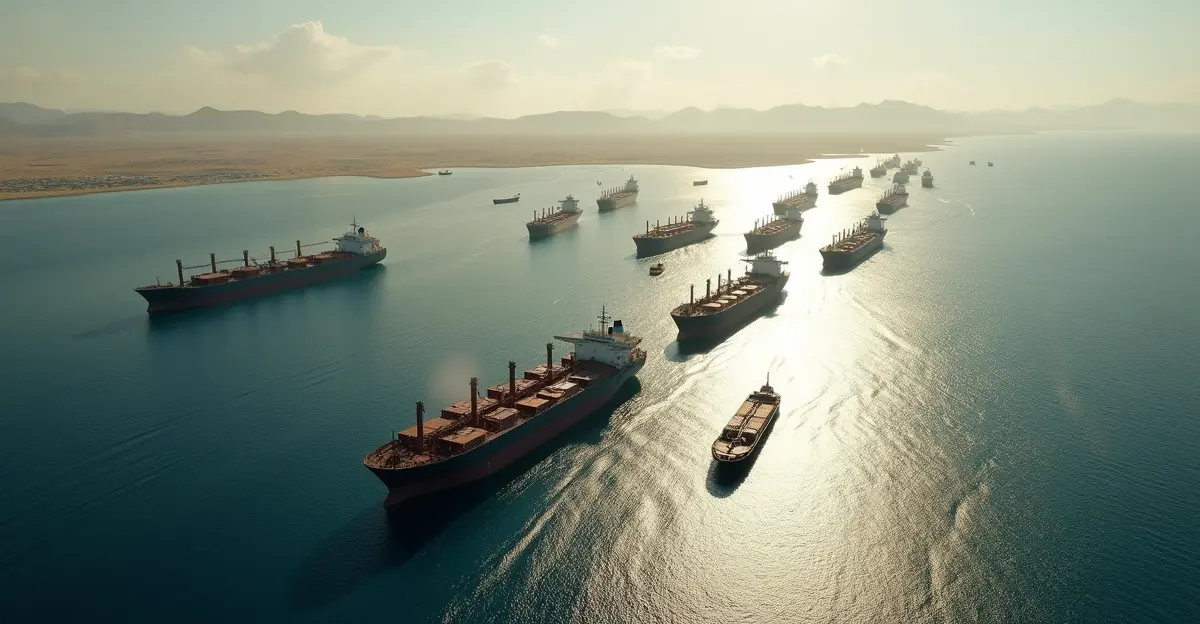
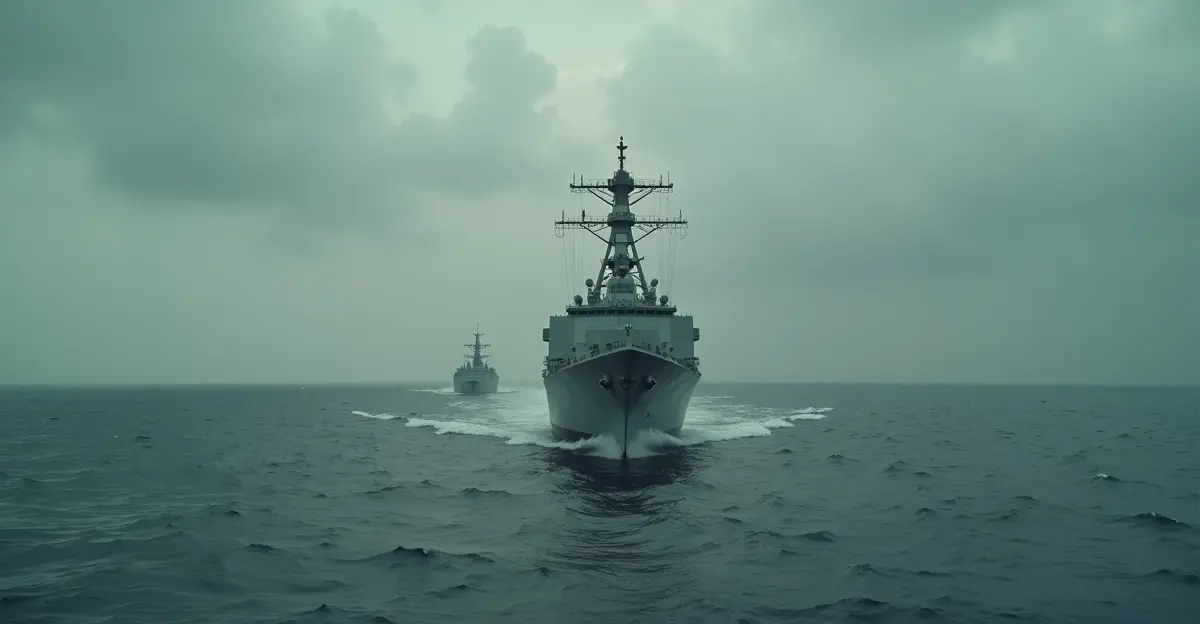
Another critical issue was reopening the Strait of Hormuz to commercial shipping. Although Iran agreed in principle to reopen the strait as part of the ceasefire, it added caveats about coordination with its armed forces that created ambiguity. During the talks, two U.S. warships transited the strait for the first time since the conflict began, conducting mine-clearing operations, but most commercial shipping remains blocked.
Financial and Political Demands
Iran's additional demands included releasing $6 billion in frozen assets, ending Israeli attacks on Hezbollah in Lebanon, and maintaining control over the Strait of Hormuz. The U.S., meanwhile, sought broader concessions including regime change elements and destruction of Iran's missile capabilities.
Pakistan's Mediation Role
Pakistan emerged as a crucial mediator in the conflict, successfully brokering the initial two-week ceasefire just 90 minutes before President Trump's deadline to destroy Iran's "civilization." Prime Minister Shehbaz Sharif and military chief Asim Munir played pivotal roles in bringing both sides to the negotiating table. Pakistan's delicate diplomacy involved balancing relations with Saudi Arabia (a mutual defense partner) while maintaining ties with neighboring Iran. The country condemned U.S.-Israeli strikes early in the conflict, earning Iranian trust, and hosted formal talks in Islamabad with delegations from both sides.
Economic Impact and Global Consequences
The war has caused significant economic disruption worldwide. By March 31, 2026, the cost to Arab countries was estimated at over $120 billion, while the U.S. military had spent $18 billion with the Pentagon requesting an additional $200 billion. Oil prices surged during the conflict, creating volatility in global markets and affecting aviation, tourism, and shipping industries. The closure of the Strait of Hormuz has particularly impacted energy-dependent economies and raised concerns about long-term supply chain disruptions.
What Happens Next?
Despite the failed talks, Vance left a "final and best offer" for Iran to consider. The fragile ceasefire remains in place but is under strain as Israeli strikes continue in Lebanon. Experts warn that without a permanent resolution, the risk of renewed conflict later in 2026 remains high. The situation highlights the complex geopolitical dynamics in the Middle East and the challenges of international conflict resolution in an increasingly multipolar world.
FAQ: US-Iran Ceasefire Talks Breakdown
Why did the US-Iran talks fail?
The talks collapsed primarily over Iran's refusal to commit to abandoning nuclear weapons development, which the U.S. identified as its "core goal." Additional disagreements included reopening the Strait of Hormuz and financial demands.
What is the current status of the ceasefire?
A two-week ceasefire brokered by Pakistan remains in effect but is fragile. Israeli strikes continue in Lebanon, and Iran maintains restrictions on shipping through the Strait of Hormuz.
How many casualties has the war caused?
Over 3,600 people have been killed in Iran alone, with additional casualties across the Middle East. The conflict in Lebanon has killed more than 1,700 civilians and militants.
What is Pakistan's role in the negotiations?
Pakistan successfully mediated the initial ceasefire and hosted the peace talks in Islamabad. The country's balanced diplomacy and regional relationships made it an effective mediator.
What are the economic impacts of the conflict?
The war has caused the world's biggest oil supply disruption since the 1970s, with costs exceeding $120 billion for Arab countries and $18 billion for the U.S. military so far.
Sources
CNBC: US-Iran Talks Set to Begin in Islamabad
Al Jazeera: Pakistan's Mediation Success
Wikipedia: 2026 Iran War
Indian Express: US-Iran Peace Talks Updates

Follow Discussion