


 Deutsch
 English
 Español
 Français
 Nederlands
 Português


 Share
Share




Historic Hunger Strike Ends After Key Demand Met
Three pro-Palestinian activists in the United Kingdom have ended their 73-day hunger strike, marking one of the longest such protests in UK history since the 1980s. Kamran Ahmed, Heba Muraisi, and Lewie Chiaramello stopped their protest after the British government decided not to award a £2 billion (€2.3 billion) defense contract to Israeli weapons manufacturer Elbit Systems, fulfilling a key demand of their campaign.
The Activists' Struggle and Demands
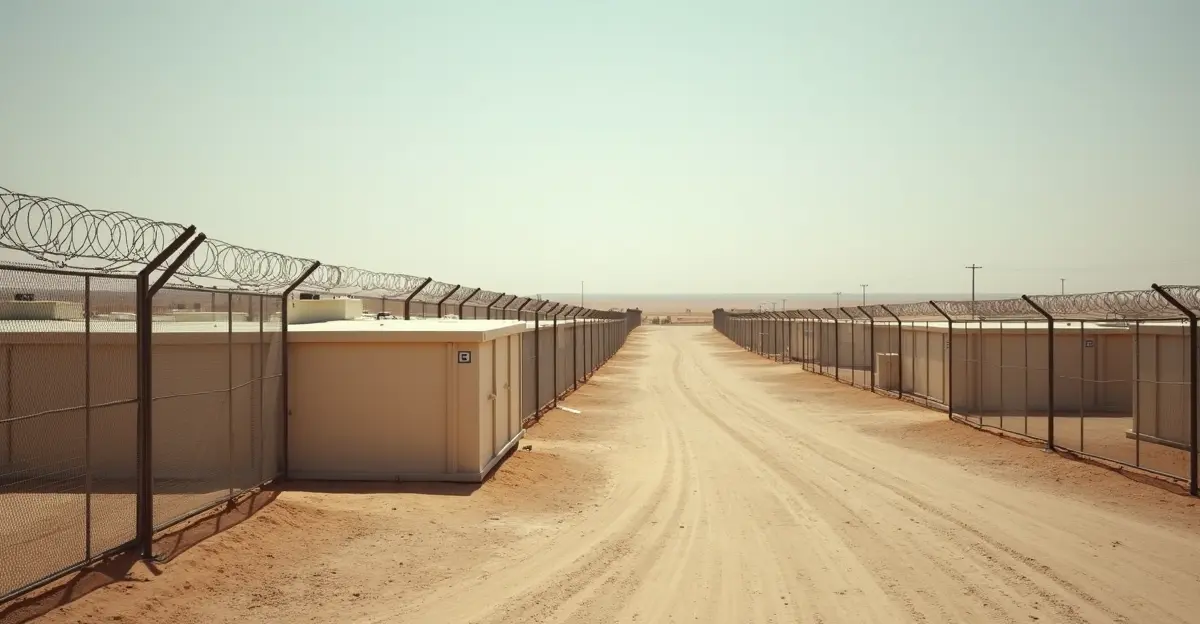
The activists, who have been in pre-trial detention for over a year, began their hunger strike on November 2nd to protest their prolonged detention and what they describe as political persecution. According to Prisoners for Palestine, some activists faced life-threatening health risks during the protest. 'This was the longest hunger strike in the UK since the 1980s, and some were at risk of death,' the organization stated.
The group was arrested for allegedly breaking into Elbit Systems' headquarters in Bristol in 2024 and storming an RAF base in Oxfordshire last year. They accuse the British government of supporting Israel during the Gaza war through military contracts with companies like Elbit Systems.
Elbit Systems: A Controversial Defense Contractor
Elbit Systems Ltd. is an Israel-based international military technology company and defense contractor that has faced increasing protests globally for its role in supplying equipment to the Israeli military. According to Wikipedia, the company is the primary provider of the Israeli military's land-based equipment and unmanned aerial vehicles, with subsidiaries worldwide including in the UK and US.
The activists' demands extended beyond the contract cancellation. They sought immediate bail, a fair trial, closure of all Elbit Systems facilities in the UK, and the lifting of the ban on Palestine Action - the activist group they're affiliated with.
Palestine Action: From Protest Group to Terrorist Organization
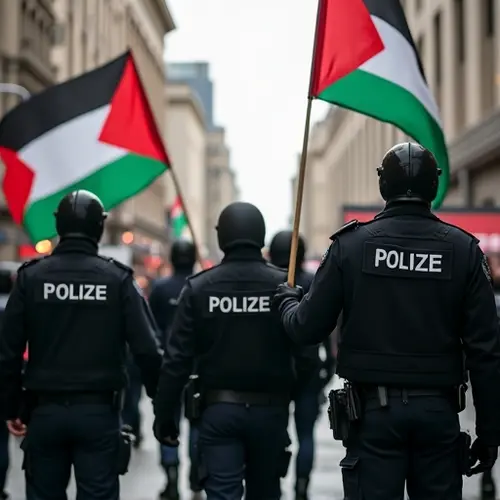
Palestine Action, founded in 2020, has been at the center of controversy since being banned by the UK government in July 2025 and placed on a terrorist list. According to BBC News, MPs voted overwhelmingly (385 to 26) to proscribe the group under the Terrorism Act 2000, making support for the organization punishable by up to 14 years in prison.
The United Nations human rights office has condemned the ban as a 'disturbing misuse of counter-terrorism legislation' that could suppress legitimate protest activities. Human rights organizations have been critical of the government's approach, arguing it undermines fundamental rights including freedom of expression and assembly.
Legal Context and Pre-Trial Detention
The activists' prolonged detention highlights concerns about the UK's pre-trial detention system. Under British law, suspects can be held for up to six months (182 days) before trial for indictable-only offences, according to Crown Prosecution Service guidelines. The activists' trial isn't expected to begin until June, meaning they would have spent over 18 months in detention before their case is heard.
Four other detained activists had previously ended their hunger strikes, while an eighth activist resumed fasting over the weekend, indicating ongoing tensions within the protest movement.
Broader Implications and Future Protests
The end of this historic hunger strike represents a significant victory for the activists but also raises questions about the UK's approach to political protest and its relationship with Israeli defense contractors. As one activist representative stated, 'While these prisoners end their hunger strike, the resistance has just begun.'
The case continues to draw international attention to the intersection of human rights, political protest, and military-industrial relationships in Western democracies.




Follow Discussion