


 Deutsch
 English
 Español
 Français
 Nederlands
 Português


 Share
Share




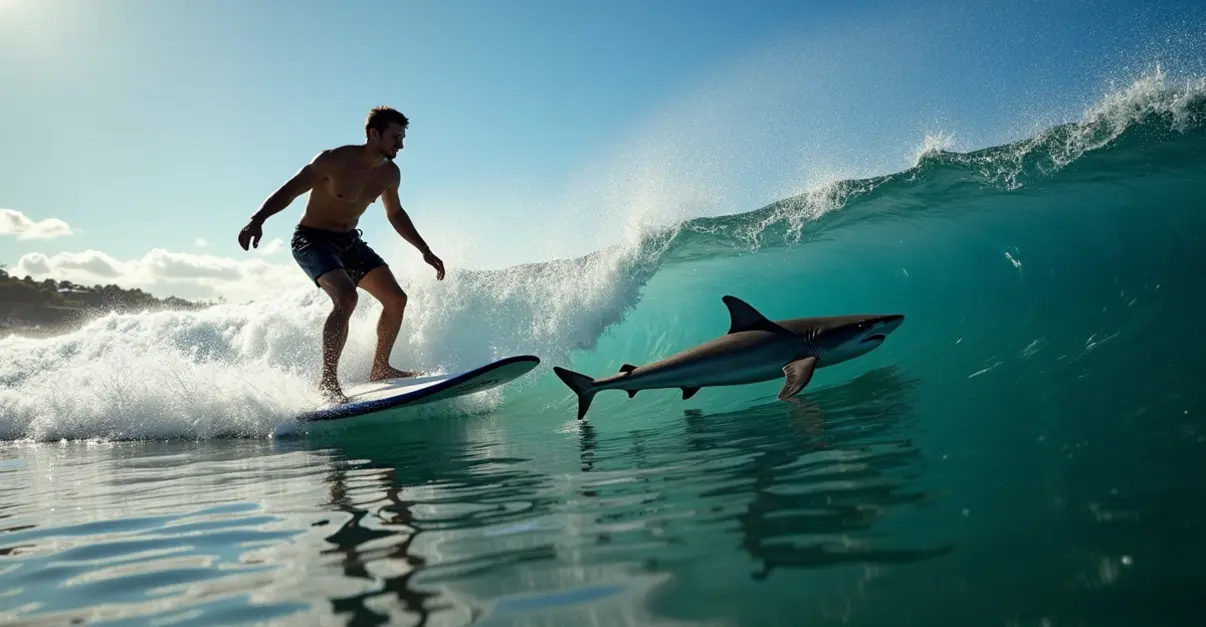
Residents of Halifax, Nova Scotia, were treated to a stunning wildlife encounter on Friday evening when a basking shark—the world's second-largest fish—swam directly into the Bedford Basin marina. The rare basking shark sighting drew between 30 and 40 onlookers to the Bedford Basin Yacht Club, where they watched the gentle giant surface and circle for nearly two hours.
What Is a Basking Shark?
The basking shark (Cetorhinus maximus) is the second-largest living fish, surpassed only by the whale shark. Adults typically measure about 7.9 metres (26 feet) but can exceed 10 metres (33 feet) and weigh 4 to 5 tonnes. Despite its intimidating size, the species is a harmless filter feeder that strains tiny zooplankton through bristle-like gill rakers while swimming with its enormous mouth open.
Researchers say the animal's English name comes from its habit of lingering near the water's surface, appearing to bask in the sun. Ongoing basking shark conservation efforts are important because the species is listed as Endangered by the IUCN after decades of overfishing for liver oil, fins and meat.
Eyewitnesses Describe Magical Halifax Marina Encounter
Bedford resident John Calder first spotted two large fins protruding from the water near the Shore Drive Bridge around 5 p.m. while driving home from work. “Right away, I said: ‘Holy moly! That's a shark,’” Calder told CBC News. He added that he had “never seen anything like this.”
Calder's wife, Lisa McCloskey, and daughter joined the growing crowd. “We saw a huge shark come out of the water. It came close to us and almost turned on its side, so we could see its whole body. It was magical,” McCloskey said. Marine biologist Neil Hammerschlag confirmed from social media videos that the visitor was indeed a basking shark, describing the encounter as remarkable.
How Big Was the Shark?
Although exact measurements were not possible from shore, basking sharks regularly reach 7.9 to 10 metres. For comparison, the average great white shark is about 4 to 5 metres long, making the Bedford Basin visitor one of the largest fish ever recorded in the busy waterway.
Why Did the Basking Shark Enter the Marina?
Basking sharks typically remain in open, plankton-rich waters such as the Bay of Fundy, not busy harbours. Hammerschlag told CBC that the reason for the visit may never be known for certain, but the shark could have been “unwell or disoriented.” He stressed that basking sharks “form no danger to people” because they eat only small plankton.
This behaviour also highlights how shark behaviour research continues to reveal surprises about marine species, especially as climate and ocean conditions shift.
Basking Shark vs Whale Shark: Key Differences
| Feature | Basking Shark | Whale Shark |
|---|---|---|
| Rank by size | 2nd largest fish | Largest fish |
| Maximum length | Up to 10–12 m | Up to 18 m |
| Diet | Zooplankton | Plankton and small fish |
| Danger to humans | Harmless | Harmless |
| IUCN status | Endangered | Endangered |
Impact and Why This Sighting Matters
The unusual Halifax marina visit drew widespread attention and gave researchers a rare public teaching moment. Because basking sharks are slow, surface-feeding animals, they are vulnerable to boat strikes and habitat disruption along Nova Scotia marine wildlife corridors. Public sightings like this one help scientists track movements and raise awareness about protecting these gentle giants.
Frequently Asked Questions
Is a basking shark dangerous to humans?
No. Basking sharks are harmless filter feeders that eat plankton. They have tiny teeth and pose no threat to people.
How big do basking sharks get?
They typically reach about 7.9 metres (26 feet) and can exceed 10 metres (33 feet), weighing up to 4–5 tonnes.
What do basking sharks eat?
Basking sharks eat zooplankton, including copepods, by filtering large volumes of seawater through their gill rakers.
Why was the shark in the Halifax marina?
Experts believe it may have been unwell or disoriented, since basking sharks normally prefer open, plankton-rich waters.
Are basking sharks endangered?
Yes. The IUCN lists basking sharks as Endangered, largely due to historical overfishing for liver oil, fins and meat.

Follow Discussion