


 Deutsch
 English
 Español
 Français
 Nederlands
 Português


 Share
Share




Breakthrough in Arctic Microbial Discovery
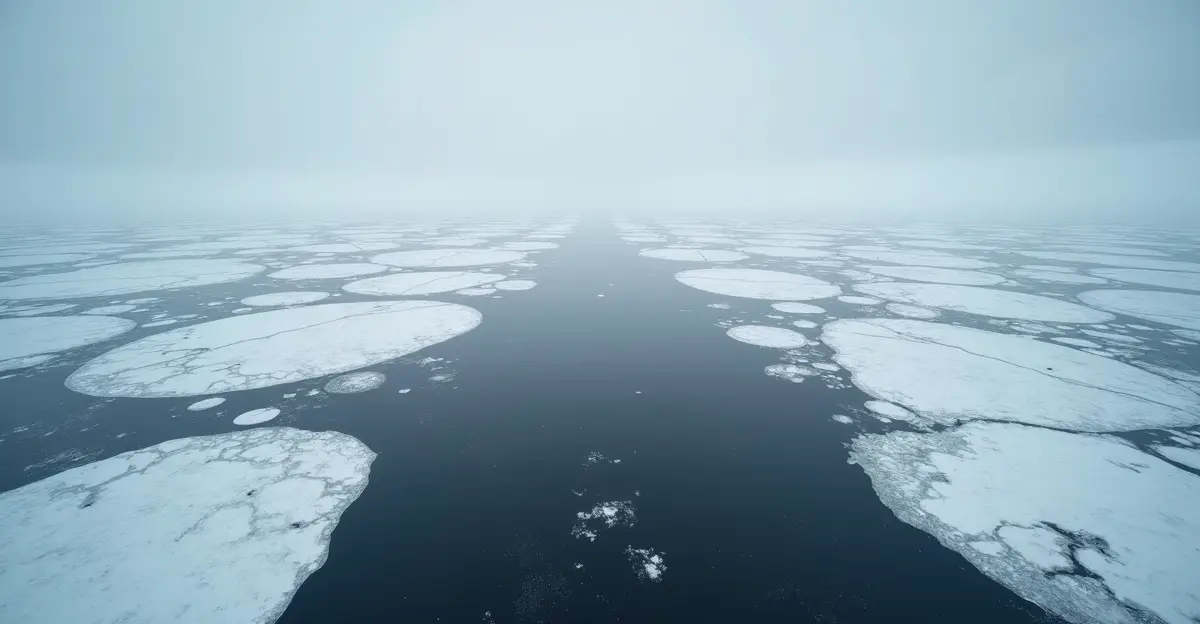
Scientists have identified previously unknown microbial life forms within Arctic ice cores, marking a significant advancement in extremophile research. An international team led by Dr. Scott Tighe discovered these microorganisms during a comprehensive study of Greenland's snowfields near Ilulissat. Using advanced DNA sequencing techniques including Illumina and Nanopore platforms, researchers cataloged over 20 novel bacterial strains thriving in temperatures averaging -15°C.
Diverse Ecosystem in Frozen Wilderness
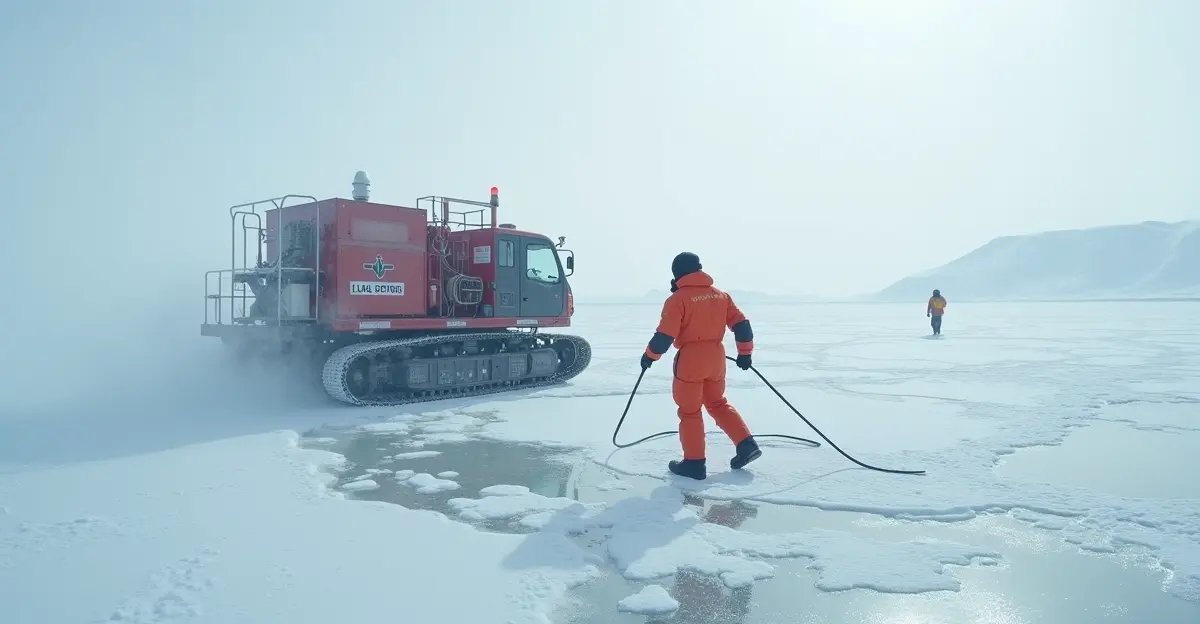
The microbial community includes surprising diversity: Dominant genera like Granulicella, Methylobacterium, and Nostoc coexist with fungal species previously undocumented in polar regions. Researchers collected 2-liter snow samples from 15 sites across a 12km grid, immediately concentrating specimens using InnovaPrep CP technology to prevent contamination. "These organisms aren't just surviving - they're actively metabolizing in conditions that would kill most known life," explained Tighe, whose findings appear in the Journal of Biomolecular Techniques.
Implications for Extremophile Science
This discovery fundamentally changes our understanding of life's boundaries. The microbes demonstrate extraordinary adaptations including:
- Proteins that remain functional at sub-zero temperatures
- Novel ice-binding surface structures
- Energy production pathways using trace atmospheric gases
Biotech and Astrobiology Applications
These cold-adapted enzymes already show promise for industrial applications. A halotolerant L-asparaginase enzyme from similar extremophiles operates efficiently at 60°C with pharmaceutical potential. NASA astrobiologists highlight the significance for extraterrestrial life searches. "If microbes thrive in Arctic ice, similar ecosystems could exist on Europa or Enceladus," stated Dr. Shiladitya DasSarma of the University of Maryland.
Future Research Directions
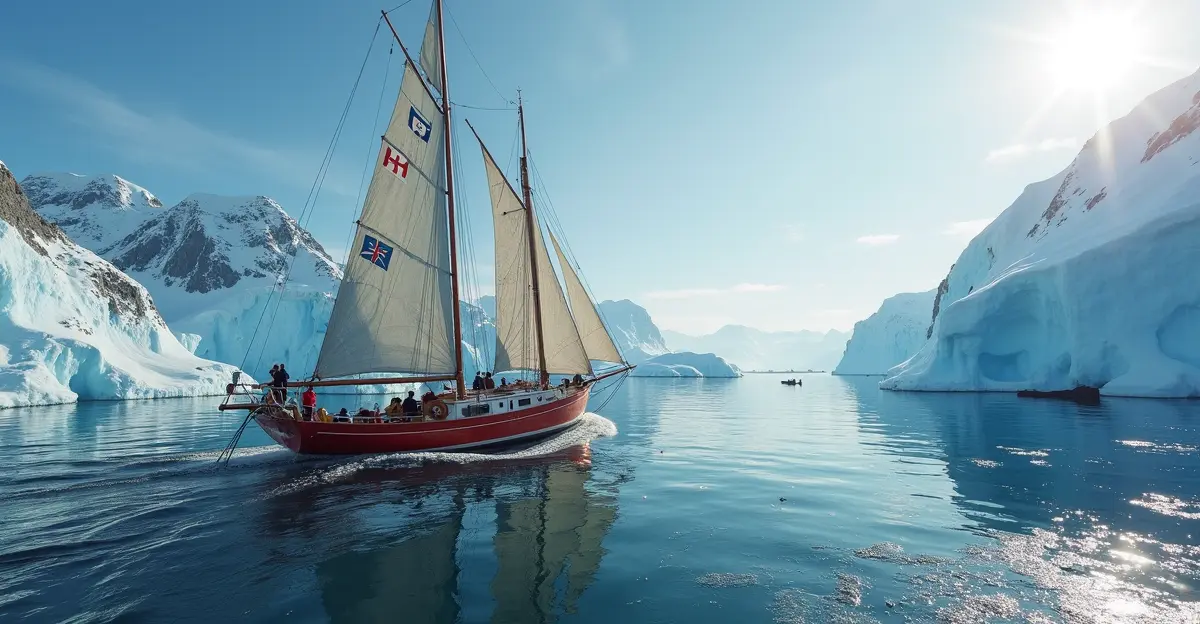
Scientists plan expeditions to Antarctica's subglacial Lake Enigma in early 2026. Current research focuses on harnessing microbial ice-melting capabilities for climate change solutions. The discovery underscores the urgency of preserving polar ecosystems as microbial biodiversity hotspots.

Follow Discussion