


 Deutsch
 English
 Español
 Français
 Nederlands
 Português


 Share
Share




More than a decade of diplomatic deadlock over lethal autonomous weapons systems (LAWS) — commonly called killer robots — ended early on September 5, 2026, when 128 countries reached a landmark non-binding agreement in Geneva. The text, agreed under the UN Convention on Certain Conventional Weapons (CCW), defines what counts as a killer robot, which systems may be acceptable, and who bears responsibility when they are used. It is not yet legally binding, but it could pave the way toward formal treaty negotiations — a process diplomats compare to the pacts that banned landmines and cluster munitions.
What Are Killer Robots and Why the Urgency?
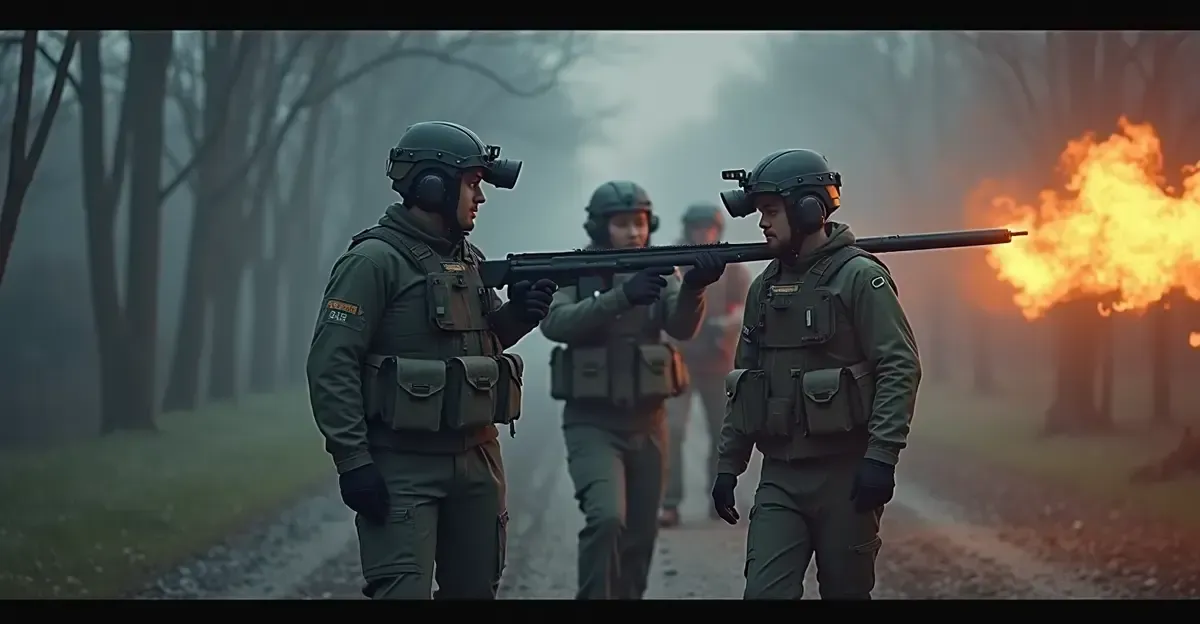
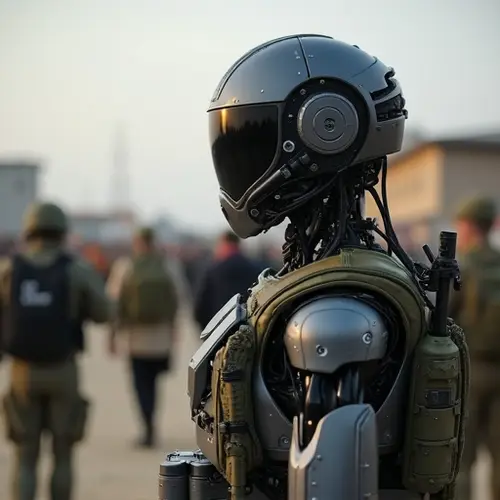
Killer robots are weapons systems that use artificial intelligence to identify, select and attack targets without direct human control. They differ from conventional drones, which require a human operator to make firing decisions. In 2026, machines are already making life-and-death choices in conflicts in Ukraine, Iran and Sudan, accelerating the race to regulate them. The UN Convention on Certain Conventional Weapons has hosted a special working group on this issue for ten years.
What Was Agreed in Geneva?
After late-night negotiations that ran almost to 3 a.m., the working group finally reached consensus. Dutch disarmament ambassador Robert in den Bosch, who chaired the process, described the final minutes as hanging on a single word. "Words matter enormously in such a process," he said. One negotiator was given five minutes to call his ministry back home; when he returned, "we could literally and figuratively bang the gavel."
Defining Autonomous Weapons and Accountability
The text puts on paper what self-thinking deadly weapons systems are, which systems are acceptable, and where responsibility lies. This definitional clarity is a first for the CCW, even though the document is not yet public. It is a compromise that no country is fully happy with, but 128 states stand behind it, In den Bosch emphasized.
The Hardest Negotiators
Russia and the United States were the toughest nuts to crack, In den Bosch said, while China and India also sat at the table. Some smaller states without large arms industries pushed for stronger language and were frustrated by the final compromise. The global arms control debate now shifts to whether the November CCW Review Conference will launch formal treaty talks.
Criticism and What Comes Next
Nicole van Rooijen, director of Stop Killer Robots, sharply criticized the outcome. "It is really a shame that all the work states have done over the past three years on the text has been so strongly weakened in the final hours," she told Reuters. The campaign says the definition and civilian-protection measures were diluted. Meanwhile, the Netherlands — which uses increasingly AI-driven weapons — backed the deal. Foreign Minister Tom Berendsen called it "an important step in regulating lethal autonomous weapons systems" and Defense Minister Dilan Yeşilgöz added that "warfare is changing through new technology; precisely therefore good international agreements are urgently needed."
Don't expect new laws or a treaty immediately. Countries will examine in November whether additional rules are needed and what they should look like — a process that could again take years. Brazil, Ireland and Norway are already pushing to launch negotiations. This echoes broader concerns raised in AI safety and military ethics debates.
Frequently Asked Questions
What are killer robots?
Killer robots, formally called lethal autonomous weapons systems (LAWS), use artificial intelligence to identify, select and attack targets without direct human control.
Is the Geneva agreement legally binding?
No. The agreement is non-binding, but it could lead to legally binding international rules and possibly a new treaty.
Which countries opposed the deal?
Russia and the United States were the hardest to convince, while China and India also took part. Some smaller states felt the final text was not strong enough.
When could a killer robots treaty be signed?
Countries will review the need for new rules in November 2026. Negotiations could take years, similar to treaties on landmines and cluster munitions.




Follow Discussion