


 Deutsch
 English
 Español
 Français
 Nederlands
 Português


 Share
Share




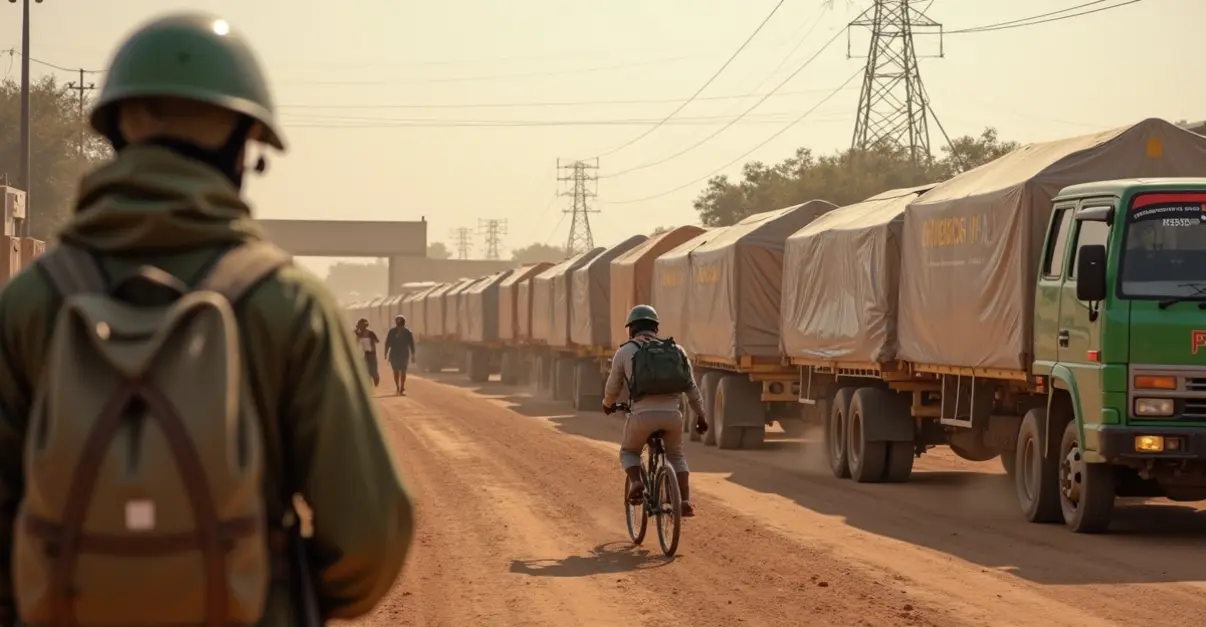
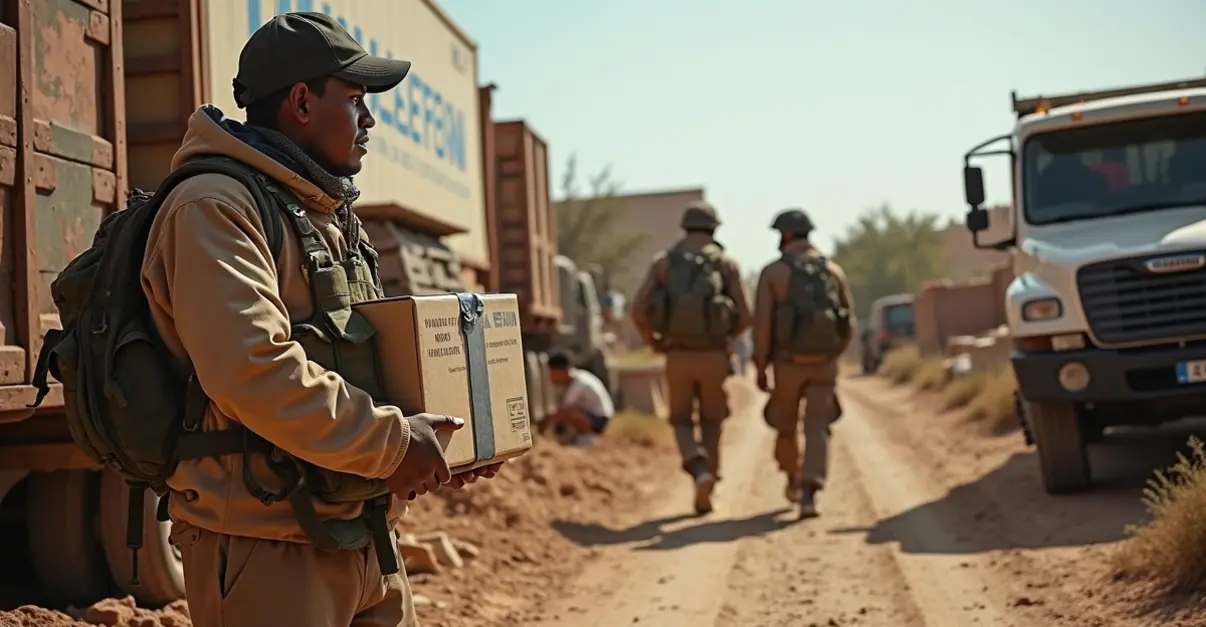
Humanitarian Convoys Face Mounting Security Threats
The year 2025 has marked a devastating turning point for humanitarian operations worldwide, with aid convoys facing unprecedented security risks while struggling with severe funding shortages. According to the UN Office for the Coordination of Humanitarian Affairs (OCHA), 2024 saw a shocking 383 aid workers killed - a 31% increase from the previous year - making it the deadliest year on record. The first eight months of 2025 show no reversal of this trend, with 265 aid workers already killed by mid-August.
Logistics Coordination Under Fire
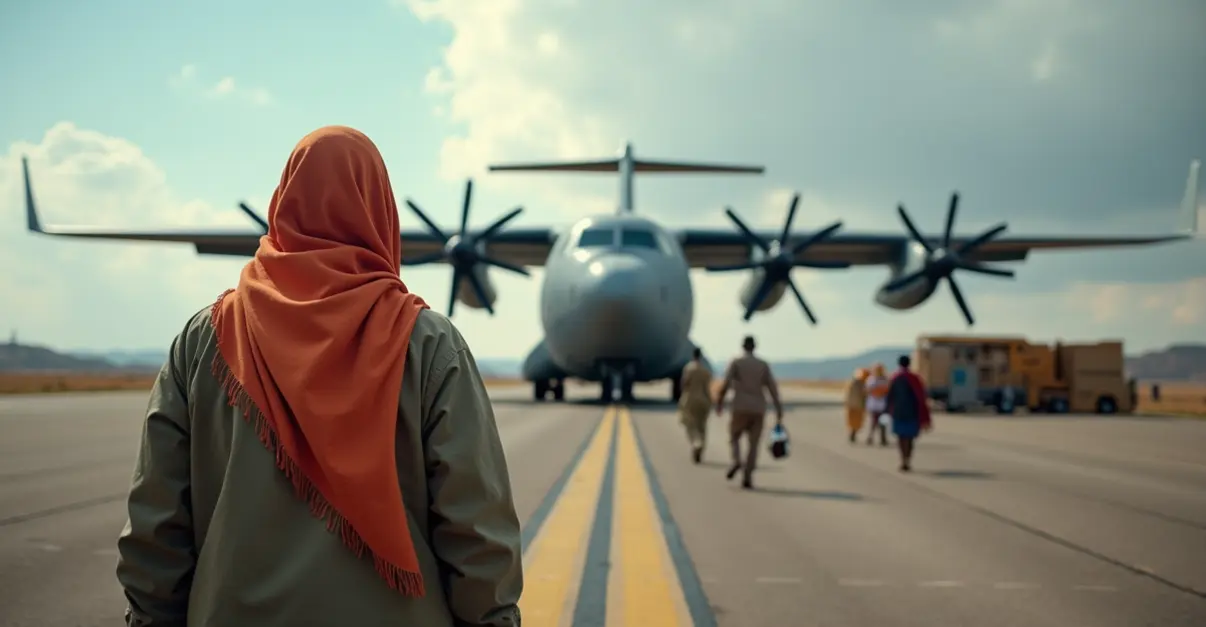
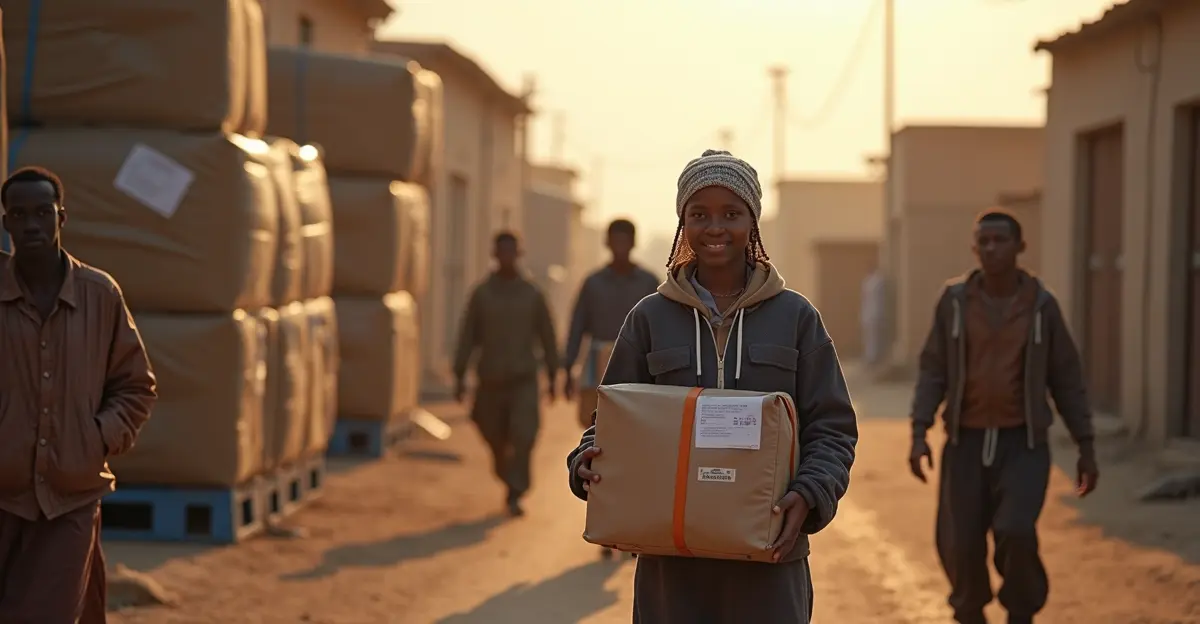
Humanitarian logistics, the backbone of aid delivery, is facing dual pressures of security threats and funding cuts. The Logistics & Telecommunications Cluster reported that in 2025, they expanded their storage network to 11,100m² and increased transport service users from 46 to 64 organizations. However, persistent security challenges and access constraints continue to hamper operations. 'We're operating in environments where every convoy movement requires extensive security planning and coordination,' says logistics coordinator Maria Rodriguez, who works in conflict zones.
Frontline Security Crisis
The security situation for humanitarian workers has reached crisis levels. According to GOAL's analysis, national aid workers experience 95.6% of violence compared to only 4.4% for international staff, yet they receive significantly less security risk management training and resources. 'Local staff are the backbone of humanitarian response, yet they're left dangerously exposed,' notes security expert Dr. James Peterson. 'The disparity in protection between international and national staff is both unethical and operationally unsustainable.'
Donor Funding Collapse
Compounding the security crisis is a dramatic funding collapse. The 2026 Global Humanitarian Overview reveals humanitarian funding has dropped below 2016 levels, with the United States reducing contributions from $11 billion in 2024 to $2.5 billion in 2025. This forced organizations to reach just 114.4 million people out of 178.7 million targeted. 'We're making excruciating decisions every day about who gets aid and who doesn't,' says Amina Khalid, the author of this analysis. 'Food assistance funding plummeted by 51% between 2022-2025, returning to 2016-2017 levels despite acute hunger doubling.'
Coordination Mechanisms Under Strain
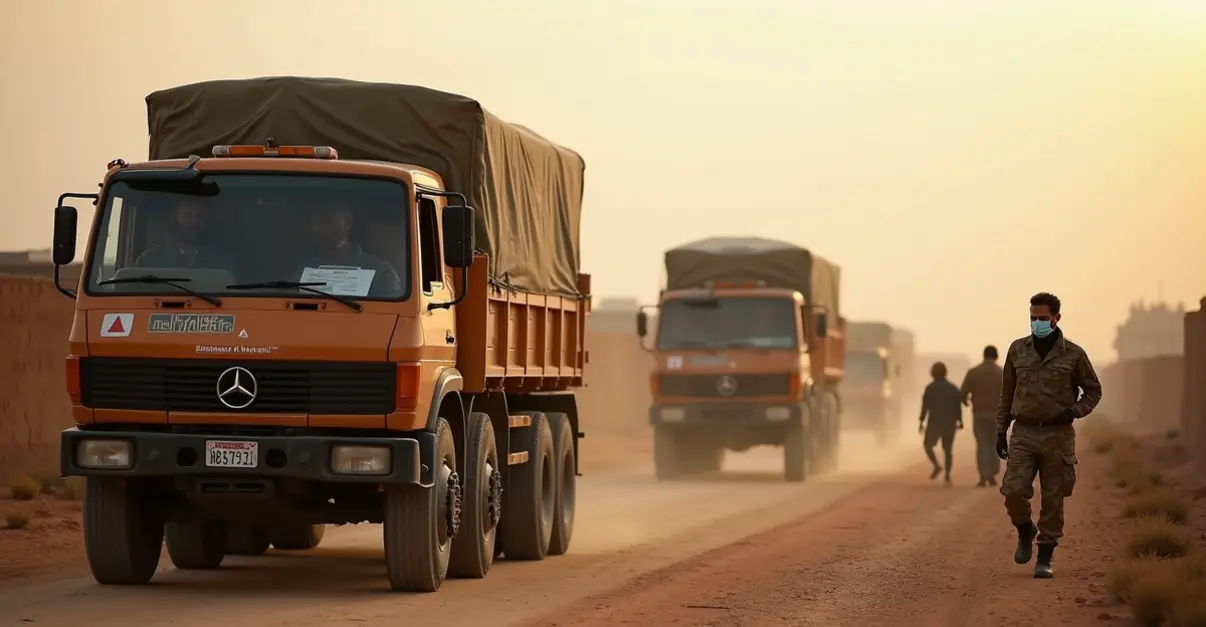
New coordination mechanisms like the Civil-Military Coordination Center (CMCC) established in Gaza in October 2025 aim to improve aid delivery, but face significant challenges. According to Wikipedia information, the CMCC serves as a main coordination hub for stabilization efforts, but incidents like the October 31, 2025 attack on a humanitarian aid truck in northern Khan Yunis demonstrate ongoing security threats. 'Even with improved coordination, we're seeing aid convoys targeted and looted,' reports field coordinator Ahmed Hassan.
Future Outlook for 2026
The outlook for 2026 remains grim. According to ReliefWeb reports, while donor governments pledged $1.161 billion to UNHCR for 2026 operations, unearmarked flexible funding dropped to 17%, nearly half of 2023 levels. This limits organizations' ability to allocate resources where needs are greatest. 'The humanitarian system is at a breaking point,' warns UN Under-Secretary-General Tom Fletcher. 'We're facing a dual crisis of unprecedented security threats and the greatest funding contraction in a decade.'
The combination of security risks, logistical challenges, and funding gaps creates a perfect storm that threatens the entire humanitarian ecosystem. As organizations struggle to protect their staff while delivering aid to increasingly desperate populations, the international community faces urgent questions about how to sustain humanitarian operations in an increasingly dangerous and underfunded world.

Follow Discussion